White Atractylodes | Traditional Herbal Medicines
🌿 White Atractylodes: A TCM Herb for Supporting Digestion, Strengthening the Spleen, and Nourishing the Body
White atractylodes, known in Pinyin as Bai Zhu, is a widely used herb in TCM. It is traditionally valued for strengthening the Spleen, supporting digestion, reducing fatigue, and helping the body absorb nutrients more effectively. This herb often appears in nourishing formulas for people with poor appetite, abdominal fullness, loose stools, or general weakness.
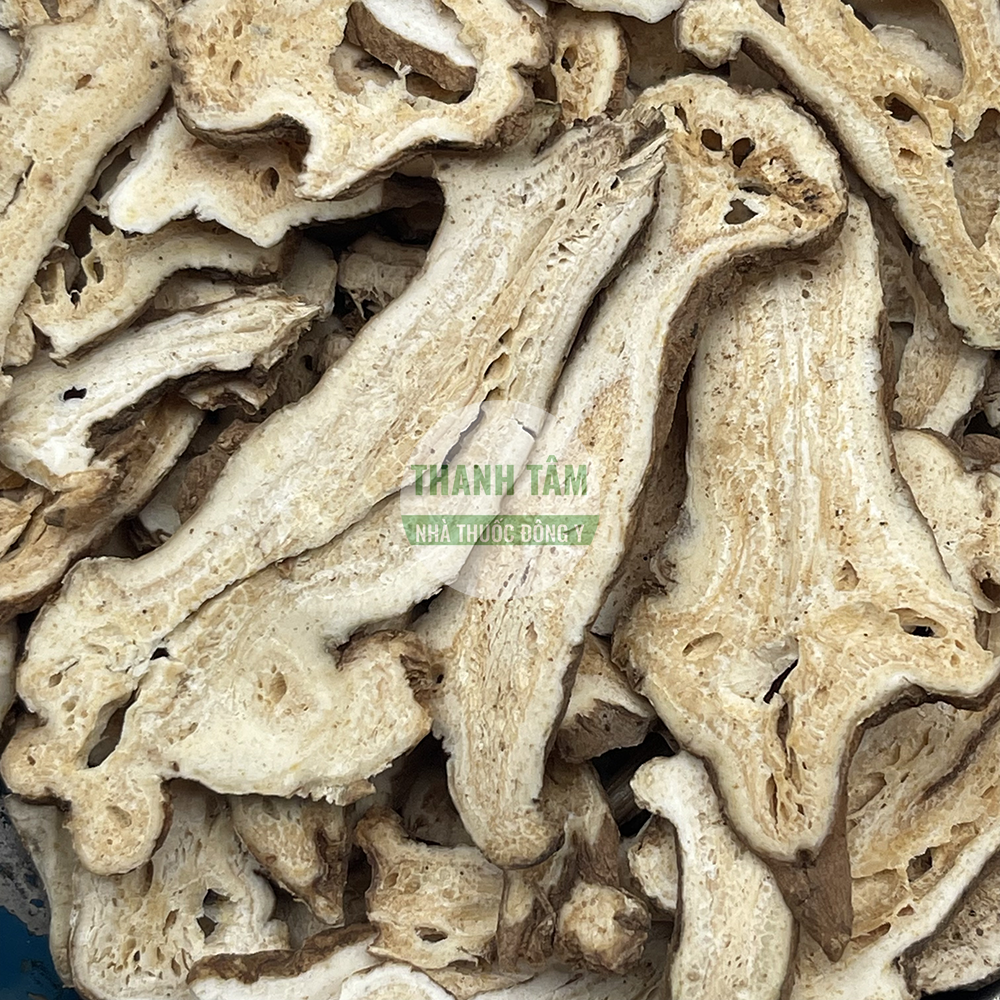
White atractylodes is traditionally used in TCM to strengthen the Spleen and support digestion.
- Scientific name / Pinyin / Chinese: Atractylodes macrocephala / Bai Zhu / 白术
- Flavors, Nature – Meridian: Sweet and Bitter flavors, Warm nature – enters the Spleen and Stomach Meridians
- Main benefits: Traditionally used to improve appetite, reduce abdominal fullness, support nutrient absorption, relieve fatigue, and strengthen physical condition
- Reference dosage: 6–12 g per day
1. Origin and description
White atractylodes is the dried rhizome of Atractylodes macrocephala, a perennial plant in the Asteraceae family. It is mainly cultivated in several regions of China and in cooler mountainous areas where the soil and climate are suitable for healthy rhizome development.
The medicinal rhizome is firm and irregularly shaped, with a pale yellow or ivory cut surface. It has a mild aroma and a slightly Sweet, Bitter taste. After harvesting, it is cleaned, dried, and often sliced for herbal use. Good-quality material is dense, dry, low in fibrous tissue, and free from mold.
In TCM, it is a principal herb for tonifying Spleen Qi and is often included in formulas for digestion, energy, and recovery.
2. Related names of White Atractylodes
Other names: Bạch truật, Truật trắng, Bạch truật sao, Truật, Large-headed atractylodes, Bai Zhu rhizome
Scientific name: Atractylodes macrocephala
Pinyin: Bai Zhu
Chinese name: 白术
The name Bạch truật distinguishes this herb from Cang Zhu. Although related, they are not interchangeable. Bai Zhu mainly tonifies the Spleen, while Cang Zhu has a stronger Dampness-drying action.
3. Flavors, Nature – Meridian
According to TCM theory, Bai Zhu has Sweet and Bitter flavors and a Warm nature. The Sweet flavor is associated with nourishment and tonification. The Bitter flavor helps dry Dampness, while the Warm nature supports Spleen Yang and the movement of fluids.
It mainly enters two Meridians:
- Spleen Meridian: Traditionally used to strengthen digestion, support the production of Qi and Blood, reduce loose stools, and improve energy when Spleen Qi is weak.
- Stomach Meridian: Traditionally used to support appetite, relieve abdominal fullness, and improve the processing of food and fluids.
Because it is warming and drying, it may not suit people with Yin deficiency, internal Heat, severe dryness, or constipation.
4. Benefits of White Atractylodes in TCM
White atractylodes is commonly used in TCM formulas for digestive weakness and fatigue. Its main traditional benefits include:
- Strengthening the Spleen: May be considered when poor appetite, abdominal heaviness, or low energy is linked to Spleen Qi deficiency.
- Supporting digestion: Traditionally used for slow digestion, abdominal fullness, mild nausea, or discomfort after eating.
- Reducing loose stools: Frequently included in formulas for recurrent or chronic loose stools associated with digestive weakness.
- Supporting fluid metabolism: Traditionally used to help the body manage excess Dampness and mild swelling associated with weak Spleen function.
- Improving physical strength: Often combined with other Qi-tonifying herbs for older adults, people recovering from illness, or those experiencing persistent tiredness.
- Supporting selected pregnancy formulas: Classical TCM may include Bai Zhu when Spleen Qi deficiency is present, but only under qualified supervision.
These traditional uses do not replace medical care. Persistent diarrhea, weight loss, severe abdominal pain, vomiting, swelling, or prolonged fatigue requires professional assessment.
5. How to use and dosage
The usual reference dosage is 6–12 g per day in a decoction. The amount depends on constitution, symptoms, preparation, and accompanying herbs.
- Herbal decoction: Simmer 6–12 g with water, often together with Codonopsis root, astragalus, poria, or licorice.
- Powdered form: Finely ground powder may be taken in a professionally recommended amount with warm water.
- Nourishing soup: Small amounts may be cooked with chicken, lean pork, or other food-based ingredients in traditional tonic soups.
- Course-based use: Longer use should follow a personalized plan.
People with weak digestion should begin with a lower amount. Store the herb in an airtight container and discard material with mold, insects, sour odor, or excess moisture.
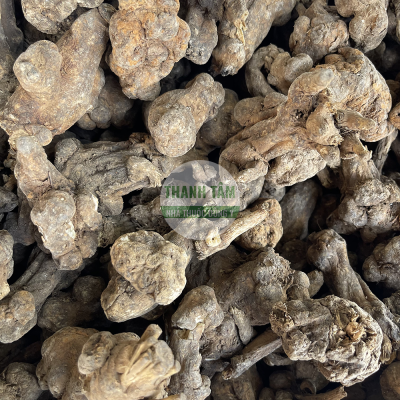
Whole white atractylodes rhizome available from Thanh Tam Herbs.
6. Indications and contraindications
Traditional indications
- Poor appetite, abdominal fullness, and slow digestion
- Persistent tiredness or weakness associated with Spleen Qi deficiency
- Recurrent loose stools linked to digestive weakness
- Mild swelling or a heavy sensation associated with Dampness
- Weakness during recovery after illness
Contraindications and precautions
- Use cautiously in people with severe constipation, pronounced dryness, Yin deficiency, or internal Heat.
- Do not self-treat high fever, acute infection, severe abdominal symptoms, or persistent diarrhea with this herb.
- Avoid prolonged high-dose use without guidance from a Herb doctor.
- Pregnant or breastfeeding individuals, children, and people taking prescription medicines should seek professional advice before use.
7. Reference herbal combinations with Bạch truật
These are traditional references, not standardized prescriptions. A Herb doctor should select the ingredients and dosages.
- For strengthening the Spleen and tonifying Qi: Bạch truật with codonopsis root and astragalus.
- For abdominal fullness and poor digestion: Bạch truật with aged tangerine peel and cardamom fruit.
- For recovery after illness: Bạch truật with dried longan and Red dates.
- For a traditional nourishing soup: Bạch truật simmered with black chicken and selected tonic herbs.
8. Frequently asked questions
Can white atractylodes be used every day?
It may be used for a defined period when the dosage and indication are appropriate. Daily use should be reviewed if symptoms change or if dryness, constipation, or discomfort develops.
How is Bai Zhu different from Cang Zhu?
Bai Zhu mainly tonifies the Spleen and supports deficiency patterns. Cang Zhu has a stronger drying and Dampness-dispelling action and is generally used for different presentations.
Can it help with long-term poor appetite?
TCM may use it when poor appetite is associated with Spleen Qi deficiency. However, prolonged appetite loss can have many causes and should be medically evaluated.
How can I identify good-quality material?
Choose firm, dry pieces with a pale interior, a natural aromatic smell, and minimal fibrous tissue. Avoid material that is unusually soft, damp, moldy, heavily discolored, or affected by insects.
Visit Thanh Tam Herbs, a trusted Herbal pharmacy offering carefully sourced herbs and practical guidance for everyday wellness.
Nguồn tham khảo
- Dược điển Việt Nam.
- Lương y Hy Lãn Hoàng Văn Vinh, Cây thuốc vị thuốc Đông y, Nhà xuất bản Hà Nội, 2001.
- Tài liệu, hướng dẫn và thông tin chuyên ngành từ Bộ Y tế.
Rate this article
How useful was this article?
Tác giả bài viết