Lotus Stamens | Traditional Herbal Medicines
🌿 Lotus Stamens (Lian Xu) – A TCM Herb for Securing Kidney Qi and Preserving Essence
Lotus stamens are the dried male reproductive parts of the sacred lotus flower. In TCM, this astringent herb is traditionally used to support seminal leakage, frequent urination, nocturia, and persistent vaginal discharge.
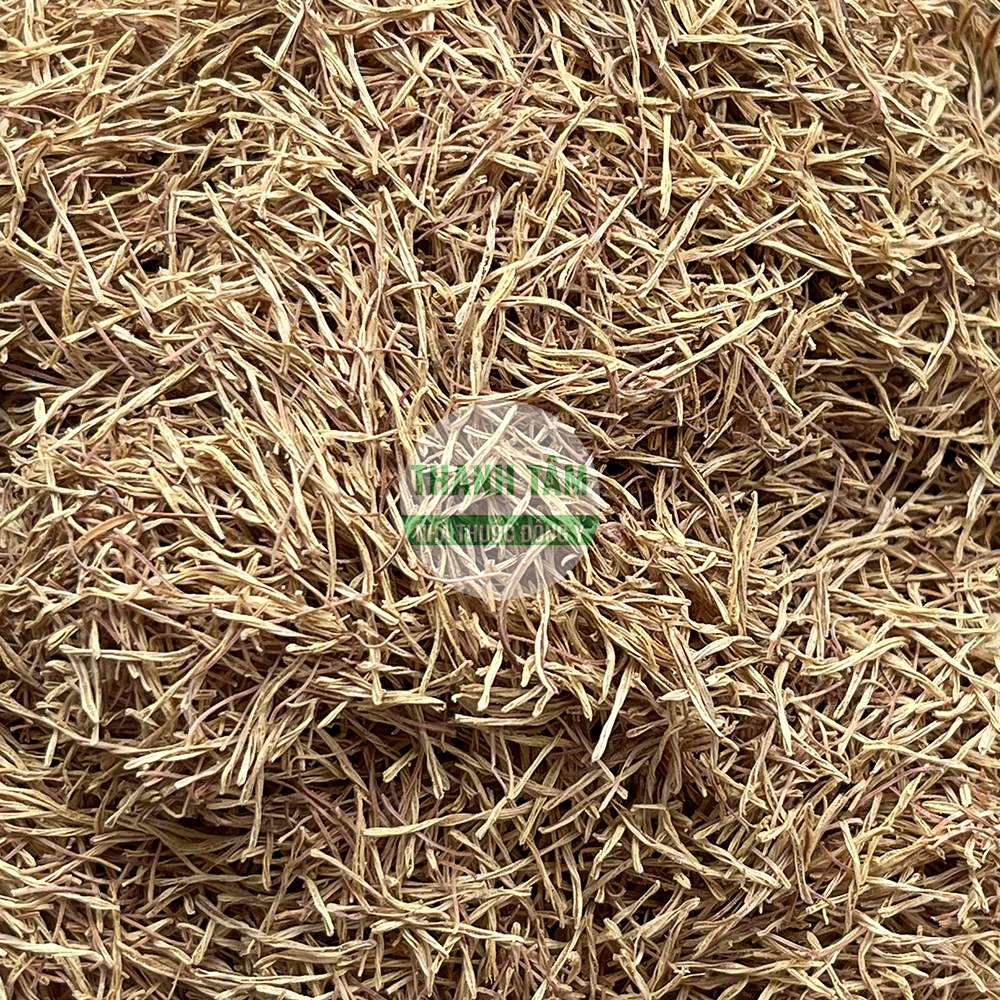
Lotus stamens used as a medicinal herb in TCM
- Scientific name / Pinyin / Chinese: Stamen Nelumbinis / Lian Xu / 莲须
- Flavors, Nature – Meridian: Sweet and Astringent, Neutral – enters the Heart and Kidney meridians
- Main benefits: Traditionally used to secure Kidney Qi, preserve essence, reduce frequent urination, and support persistent vaginal discharge according to TCM theory.
- Reference dosage: 3–5 g of dried herb daily, usually prepared as a decoction or included in pills and powders.
1. Origin and description
This medicinal material consists of the dried stamens of Nelumbo nucifera Gaertn., a perennial aquatic plant in the Nelumbonaceae family. The lotus grows in muddy ponds and lakes and produces shield-shaped leaves and large pink or white flowers.
The stamens surround the lotus seedpod. Each one has a slender filament and a small anther. The flowers bloom in summer, and the stamens are collected on dry days before being dried in the shade or at a low temperature.
The dried herb appears as thin, slightly curved strands. Its anthers are pale yellow to yellow-brown, while the filaments may be light purple. Good material is dry, mildly fragrant, and free from mold or unpleasant odors.
2. Related names of Lotus Stamens
Other names: Lotus flower stamens, lotus tassels, Nhi sen, Tua sen, Lian Hua Xu, Lian Hua Rui, Lian Rui Xu, and Jin Ying Cao.
Scientific name: Stamen Nelumbinis.
Pinyin name: Lian Xu.
Chinese name: 莲须.
Do not confuse this herb with lotus plumule, petals, leaf, seed, or seedpod. Each part has different traditional uses and should not be substituted without professional guidance.
3. Flavors, Nature – Meridian
According to TCM, the herb has Sweet and Astringent flavors and a Neutral nature. It mainly enters the Heart and Kidney meridians. The Astringent flavor reflects its traditional ability to restrain abnormal leakage of essence, urine, or other body fluids.
Its main traditional action is to secure the Kidney and preserve essence. Some classical sources also mention clearing the Heart and helping control bleeding, although these uses depend on the diagnosed TCM pattern.
Because of its restraining action, avoid casual use when urination is difficult, constipation is present, or stagnation is suspected. A Neutral nature does not make long-term use automatically appropriate.
4. Benefits of Lotus Stamens in TCM
The traditional benefits may be understood as follows:
- Supporting Kidney Qi and preserving essence: The herb commonly appears in formulas for involuntary seminal emission, spermatorrhea, or nocturnal emission associated with unstable Kidney Qi.
- Helping reduce frequent urination: Its astringent action may be used when frequent urination or nocturia is linked to weakened control of the bladder in TCM theory.
- Supporting persistent vaginal discharge: It may be combined with herbs that strengthen the Spleen, support the Kidney, and restrain excessive discharge.
- Helping control selected bleeding patterns: Some classical practices include the herb in formulas for mild bleeding, usually together with other hemostatic or Qi-supporting herbs.
These applications belong to traditional theory. Clinical evidence remains limited, so the herb is not a stand-alone treatment for urinary, reproductive, or gynecological conditions.
5. How to use and dosage
A commonly referenced dosage is 3–5 g of dried herb per day. Do not increase the amount without professional advice.
- Decoction: Rinse briefly and simmer it with the other herbs in a prescribed formula.
- Powder: The dried material may be finely ground for use in herbal powders. Accurate weighing and airtight storage are important.
- Herbal pills: It is often combined with herbs that support the Kidney, strengthen the Spleen, or provide an astringent action.
- Lotus stamen tea: Do not brew and drink it every day as a self-treatment for nocturia, seminal leakage, or vaginal discharge.
Choose traceable material. Do not use products that are damp, moldy, discolored, dusty, or poorly labeled. Herbs from polluted water may carry microbes or contaminants.
6. Indications and contraindications
Indications
Based on TCM pattern differentiation, the herb may be considered for involuntary seminal emission, spermatorrhea, frequent urination, nocturia, and persistent vaginal discharge associated with unstable Kidney Qi. Some traditional formulas also use it for mild bleeding, but the underlying cause must first be identified.
Contraindications and precautions
People with difficult urination, urinary retention, severe constipation, abdominal distension, or marked internal stagnation should not self-use this herb. Pregnant or breastfeeding women, children, and people receiving medical treatment should consult a doctor or qualified Herb doctor before use.
Seek medical care for painful urination, blood in the urine, fever, lower-back pain, unusual discharge, pelvic pain, unexplained bleeding, or persistent symptoms. Nocturia may be related to diabetes, prostate conditions, urinary disease, medicines, sleep disorders, or excessive fluid intake.
7. Reference herbal combinations with Liên tu
- Seminal leakage associated with Kidney deficiency: Liên tu may be combined with fox nut, Cherokee rose fruit, Cornus fruit, or dragon bone according to the diagnosed pattern.
- Frequent urination and nocturia: It may be paired with mantis egg-case, sharp-leaf galangal fruit, and fox nut under professional guidance.
- Persistent vaginal discharge: Classical combinations may include Chinese yam, Atractylodes, fox nut, or lotus seed to support the Spleen and Kidney.
- Disharmony between the Heart and Kidney: Some traditional formulas combine the herb with lotus plumule and calming herbs.
- Deficiency-type bleeding: It may be combined with hemostatic and Qi-supporting herbs after the cause has been medically assessed.
These combinations are educational references, not universal prescriptions. A qualified practitioner should adjust each formula to the user’s symptoms and current medicines.
8. Frequently asked questions
- Are Lian Xu and lotus plumule the same?
No. Lian Xu is the stamen of the lotus flower, while lotus plumule, also called Lian Xin, is the green embryo inside the seed. - Can Lotus Stamens treat nocturia?
The herb is traditionally used as supportive care only. Nocturia can have many causes and may require medical assessment. - Can I drink lotus stamen tea every day?
Long-term self-use is not recommended, especially for people with difficult urination, constipation, or ongoing medical treatment. - Can pregnant women use this herb?
Use during pregnancy should only occur after evaluation and guidance from a qualified healthcare professional. - How can I identify good-quality material?
Choose clearly defined strands with a natural yellow-brown color, a mild fragrance, a dry texture, no mold, and transparent sourcing.
👉 Visit Thanh Tam Herbs – a trusted Herbal pharmacy for quality TCM herbs and professional guidance.
Nguồn tham khảo
- Dược điển Việt Nam.
- Lương y Hy Lãn Hoàng Văn Vinh, Cây thuốc vị thuốc Đông y, Nhà xuất bản Hà Nội, 2001.
- Tài liệu, hướng dẫn và thông tin chuyên ngành từ Bộ Y tế.
Rate this article
How useful was this article?
Tác giả bài viết