Job’s Tears | Traditional Herbal Medicines
🌾 Job’s Tears – A TCM Herb for Supporting Spleen Function, Digestion, and Fluid Balance
Job’s Tears, known as Ý dĩ in Vietnamese, is a traditional TCM herb and nourishing food ingredient valued for supporting Spleen function, promoting fluid metabolism, and improving digestion. With its Sweet and Bland flavors and Cool nature, it is commonly used in traditional formulas and wellness diets to support people experiencing digestive discomfort, Dampness accumulation, mild swelling, and skin concerns related to Heat-Damp patterns.
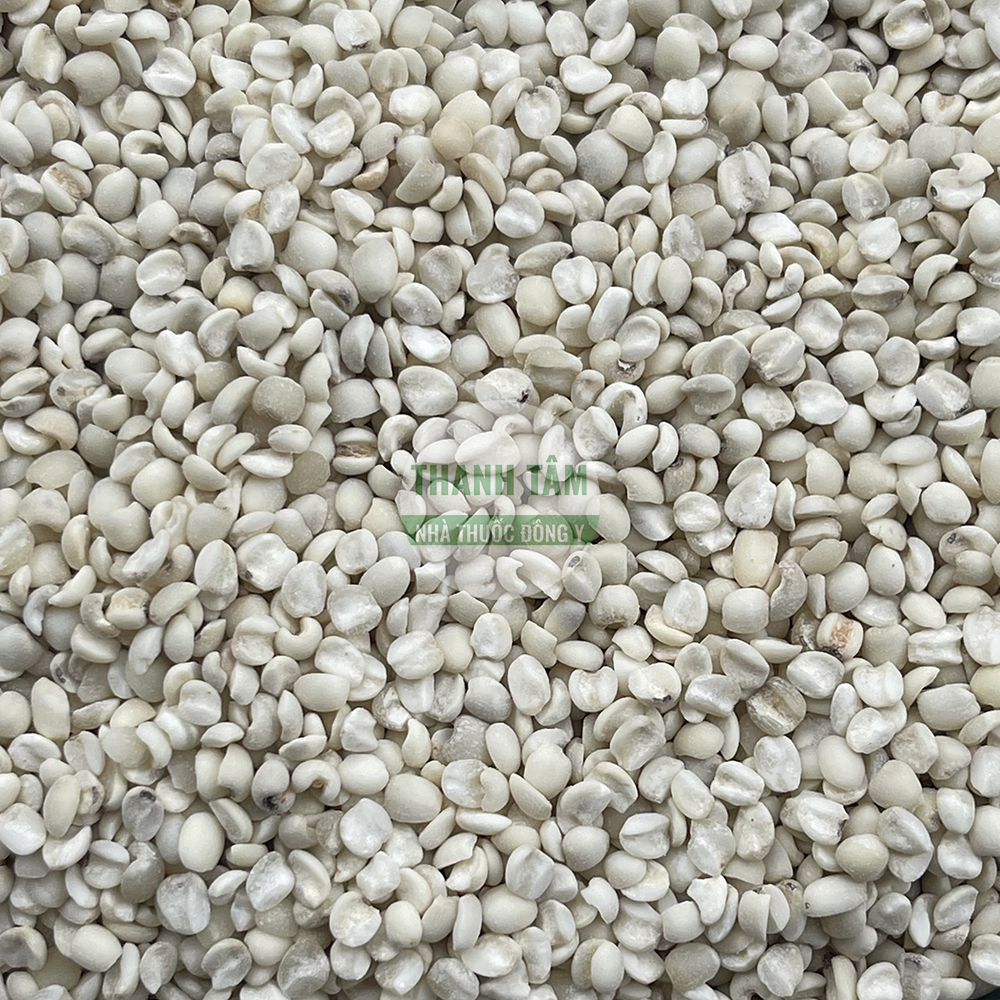
- Scientific name / Pinyin / Chinese: Coix lacryma-jobi / Yi Yi Ren / 薏苡仁.
- Flavors, Nature – Meridian: Sweet, Bland, Cool – associated with the Spleen, Stomach, and Lung Meridians.
- Main benefits: Supports digestion, promotes fluid metabolism, helps reduce Dampness, supports skin health, and strengthens the body according to TCM theory.
- Reference dosage: Commonly 15–30 g daily, prepared as a decoction, porridge, or herbal drink.
1. Origin and description
Job’s Tears is the dried mature seed of Coix lacryma-jobi, a plant belonging to the Poaceae family. It is cultivated in many regions of Vietnam, especially mountainous and highland areas. Besides its traditional medicinal value, the seed is also commonly used as a nutritious food ingredient.
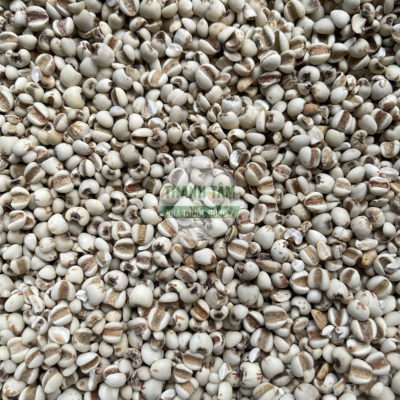
The plant usually grows around 1–1.5 meters tall, with straight stems and long narrow leaves similar to rice plants. The fruit has an oval shape with a hard outer shell, while the inner seed is white or ivory in color. After harvesting, the outer layer is removed, cleaned, and dried before being used as herbal material.
Good-quality material usually has a smooth white appearance, firm seeds, no insect damage, and no signs of moisture or mold. When cooked, it has a mild fragrance, slightly nutty flavor, and soft texture, making it suitable for both herbal preparations and daily meals.
2. Related names of Job’s Tears
Other names: Ý dĩ, Bo bo trắng, Dĩ nhân, Ý dĩ nhân, White Job’s Tears, Coix Seed.
Scientific name: Coix lacryma-jobi.
Pinyin name: Yi Yi Ren.
Chinese name: 薏苡仁.
Job’s Tears should be correctly identified and sourced from a reliable Herbal pharmacy to ensure quality and suitability for traditional use.
3. Flavors, Nature – Meridian
In TCM, Job’s Tears is described as having a Sweet and Bland flavor with a Cool nature. It is traditionally associated with the Spleen, Stomach, and Lung Meridians.
The Sweet flavor is traditionally considered nourishing and supportive, while the Bland flavor is associated with promoting fluid movement and helping reduce excessive Dampness. Its Cool nature provides gentle support for clearing Heat and maintaining internal balance.
Through the Spleen and Stomach Meridians, this herb is traditionally used to support digestion, improve appetite, and reduce sensations of fullness or heaviness. Through the Lung Meridian, it is associated with supporting fluid regulation and maintaining healthy skin conditions according to TCM theory.
4. Benefits of Job’s Tears in TCM
Job’s Tears is considered both a medicinal herb and a nourishing food ingredient. Traditional uses include:
- Supporting digestion: Traditionally used for weak digestion, poor appetite, abdominal fullness, and discomfort related to Spleen deficiency patterns.
- Promoting fluid balance: Helps support the body’s fluid metabolism and is commonly used when mild swelling or Damp accumulation occurs.
- Supporting Heat-Damp balance: Traditionally selected when internal Dampness combined with Heat may contribute to discomfort or skin issues.
- Supporting skin health: Commonly used in wellness diets for people who experience skin concerns associated with Damp-Heat patterns.
- Strengthening the body: Provides nutritional support and is often included in nourishing recipes for people with fatigue or weakness.
Modern nutritional studies show that Coix seeds contain protein, B vitamins, minerals, and other nutrients that contribute to overall nutrition. However, these findings do not replace medical advice or professional treatment.
5. How to use and dosage
The commonly referenced dosage of Job’s Tears is 15–30 g daily. It can be prepared in different ways depending on the purpose of use.
Common preparation methods include:
- Porridge: Cook 20–30 g with rice, lotus seeds, or mung beans as a nourishing meal.
- Decoction: Boil 15–30 g together with other herbs according to traditional formulas.
- Herbal drink: Lightly roast the seeds and prepare them as a daily herbal beverage.
Because it is a gentle food-herb with a Cool nature, it can be included in wellness diets. However, regular medicinal use should still consider individual constitution and should be guided by a qualified Herb doctor when needed.
6. Indications and contraindications
Indications
In TCM practice, Job’s Tears may be referenced for people with weak digestion, abdominal fullness, heaviness caused by Dampness, mild fluid retention, or skin concerns associated with Heat-Damp patterns.
Contraindications and precautions
Pregnant individuals should avoid excessive medicinal doses unless advised by a healthcare professional. People with a Cold constitution, frequent cold sensations, or digestive weakness related to Cold patterns should use moderate amounts or combine it with warming ingredients.
Anyone receiving medical treatment, taking long-term medication, or experiencing persistent symptoms should consult a healthcare professional or Herb doctor before regular medicinal use.
7. Reference herbal combinations with Ý dĩ
- Supporting Dampness-related discomfort: Job’s Tears + other Damp-resolving herbs may be selected according to individual TCM patterns.
- Supporting skin wellness: Job’s Tears + Hedyotis Diffusa may be used traditionally in formulas related to Heat and skin balance.
- Supporting fluid balance: Job’s Tears + White Poria is a traditional combination used to support fluid metabolism.
- Nourishing the body: Job’s Tears + Lotus Seeds + Jujube is commonly used in traditional food preparation.
- Supporting joint comfort: Job’s Tears combined with herbs such as Sang Ji Sheng, Dang Gui, Xu Duan, and Cang Zhu may appear in traditional formulas.
These combinations are provided for traditional reference only. Formula selection should consider symptoms, constitution, and professional guidance.
8. Frequently asked questions
- Can Job’s Tears be used every day? It can be used as a nourishing food ingredient in moderate amounts. Long-term medicinal use should consider individual constitution.
- Can Job’s Tears support acne-prone skin? It may support skin balance when concerns are traditionally associated with Damp-Heat patterns, but it is not a replacement for dermatological treatment.
- How long can Job’s Tears be used? It may be included in wellness diets for extended periods, but preparation methods and amounts should be adjusted to maintain balance.
- Is Job’s Tears the same as regular grains? Although it is often cooked like a grain, it is traditionally classified as a medicinal food ingredient in TCM.
👉 Visit Thanh Tam Herbs – a trusted Herbal pharmacy for quality herbs and TCM guidance
Nguồn tham khảo
- Dược điển Việt Nam.
- Lương y Hy Lãn Hoàng Văn Vinh, Cây thuốc vị thuốc Đông y, Nhà xuất bản Hà Nội, 2001.
- Tài liệu, hướng dẫn và thông tin chuyên ngành từ Bộ Y tế.
Rate this article
How useful was this article?
Tác giả bài viết