Glehnia Root | Traditional Herbal Medicines
🌿 Glehnia Root – A TCM Herb for Nourishing Yin, Supporting the Lungs, and Easing Dry Cough
Glehnia Root, known in Vietnamese as Sa sâm, is a valued herb in TCM, especially known for nourishing Yin, supporting the Lungs, generating body fluids, and helping ease dry cough and throat dryness. With its Sweet, slightly Bitter flavor and Cool nature, it is commonly used for people showing signs of Lung Yin deficiency, internal dryness, fatigue, or weakness following illness.

Glehnia Root – a TCM herb traditionally used to nourish Yin and support the Lungs
- Scientific name / Pinyin / Chinese: Gelhnia littoralis / Sha Shen / 沙参.
- Flavors, Nature – Meridian: Sweet, slightly Bitter, Cool – Lung and Stomach.
- Main benefits: Nourishes Yin, supports the Lungs, helps ease dry cough, and soothes a dry throat.
- Reference dosage: 10–20 g daily, commonly prepared as a decoction or nourishing soup.
1. Origin and description
Glehnia Root is the dried root of plants traditionally used as Sha Shen. In the source article, the medicinal material is described as coming from plants in the Apiaceae family and is harvested in Vietnam and China, usually in autumn when the roots are fully developed.
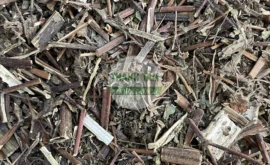
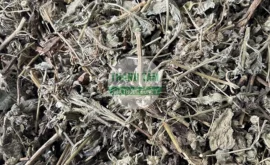
The roots are long and cylindrical, with a pale yellow to ivory-white outer surface and visible longitudinal wrinkles. When broken, the interior is white and slightly brittle. Good-quality material should have a mild aroma, a gently Sweet and cooling taste, and should be free from mold, excess moisture, foreign matter, or unusual odor.
In TCM, Sha Shen is commonly discussed in two main forms: Bei Sha Shen and Nan Sha Shen. Although their botanical sources differ, both are traditionally associated with nourishing Yin and supporting the Lungs and may appear in restorative formulas.
2. Related names of Glehnia Root
Other names: Sa sâm, Bắc sa sâm, Nam sa sâm, Cát sâm, Glehnia root, coastal glehnia root, Sha Shen root.
Scientific name: Gelhnia littoralis.
Pinyin name: Sha Shen.
Chinese name: 沙参.
Because Bei Sha Shen and Nan Sha Shen may come from different botanical sources, proper identification is important when purchasing the herb or following a traditional formula.
3. Flavors, Nature – Meridian
According to TCM theory, Glehnia Root is Sweet and slightly Bitter in flavor and Cool in nature. The Sweet flavor is associated with nourishing and generating body fluids, while the mild Bitter quality supports clearing Heat. Its Cool nature is traditionally selected when dryness and Heat occur together.
The herb enters the Lung and Stomach Meridians. Through the Lung Meridian, Cát sâm is used to nourish Lung Yin and support symptoms such as dry cough, dry throat, or hoarseness. Through the Stomach Meridian, it helps generate fluids and is traditionally considered for dry mouth, thirst, or reduced appetite associated with Heat or fluid deficiency.
4. Benefits of Glehnia Root in TCM
Glehnia Root belongs to the group of herbs traditionally used to nourish Yin and generate fluids, especially when internal dryness is present. Its main traditional uses include:
- Nourishes Yin and supports the Lungs: Commonly used for persistent dry cough associated with Lung dryness or Lung Yin deficiency.
- Soothes the throat: May help reduce throat dryness, irritation, and hoarseness in an appropriate TCM pattern.
- Generates body fluids: Traditionally used for dry mouth, dry throat, and thirst caused by fluid deficiency.
- Supports recovery after illness: May be included in restorative formulas for weakness, fatigue, and dryness after prolonged illness.
- Gently clears Heat: Its Cool nature may help reduce sensations of internal Heat accompanied by dryness.
Modern research has explored compounds in Cát sâm for their potential soothing effects on respiratory tissues and possible immune-supporting activity. These findings do not replace medical diagnosis or establish the herb as a treatment for respiratory disease.
5. How to use and dosage
Cát sâm can be used in several traditional preparations:
- Decoction: Use approximately 10–20 g daily, commonly decocted together with other herbs.
- Nourishing soup: May be cooked with lean meat, Red dates, or lotus seeds.
- Herbal infusion: Thin slices may be steeped in hot water and consumed warm.
The source article suggests use in courses of approximately 2–4 weeks depending on the purpose of nourishing Yin and supporting recovery. Long-term self-use is not recommended without a clear reason or professional advice.
6. Indications and contraindications
Indications
In TCM, Cát sâm may be referenced for persistent dry cough, a dry or irritated throat, frequent thirst, weakness following illness, or fatigue after overwork. It may be particularly useful in formulas for people who use their voice heavily and experience dryness or hoarseness.
Contraindications
People with Spleen-Stomach deficiency with Cold or diarrhea due to Cold should use caution. The herb is generally not recommended during an acute Wind-Cold pattern.
Persistent cough, coughing up blood, shortness of breath, unexplained weight loss, fever, or throat symptoms that do not improve should be medically assessed rather than treated only with herbs.
7. Reference herbal combinations with Sa sâm
- Persistent cough: Sa sâm may be combined with Bei Mu, Pi Pa Ye, Gua Lou, Gan Cao, Sang Bai Pi, Bai Bu, Tian Men Dong, and Kuan Dong Hua.
- Soothing a dry throat: Sa sâm may be paired with Bai He.
- Supporting recovery after illness: It may be combined with Huang Qi according to the formula.
- Generating fluids and reducing dry mouth: It may be paired with Yu Zhu.
- Lung weakness or Lung Heat patterns: Traditional combinations may include Sa sâm, Tian Men Dong, Mai Men Dong, Bai Bu, Wu Wei Zi, and Sang Bai Pi.
These combinations are for traditional reference only. Exact proportions, preparation, and duration should reflect constitution, symptoms, medications, and TCM pattern differentiation.
8. Frequently asked questions
- Can Glehnia Root be used every day? It may be used in limited courses for Yin nourishment, but prolonged daily self-use is not recommended without professional guidance.
- Can Glehnia Root help reduce cough? In TCM, it is especially associated with dry cough related to Lung dryness or Lung Yin deficiency rather than every type of cough.
- Is Glehnia Root a warming herb? No. According to the source article, it has a Cool nature and is traditionally used when dryness is accompanied by Heat.
- Can it help with a dry throat? It is commonly included in TCM formulas intended to nourish fluids and soothe throat dryness.
- How do I choose good-quality material? Choose pale, dry, clean roots with a mild characteristic taste, no mold, no unusual odor, and clear sourcing from a reliable supplier.
👉 Visit Thanh Tam Herbs – a trusted Herbal pharmacy for quality herbs and TCM guidance
Nguồn tham khảo
- Dược điển Việt Nam.
- Lương y Hy Lãn Hoàng Văn Vinh, Cây thuốc vị thuốc Đông y, Nhà xuất bản Hà Nội, 2001.
- Tài liệu, hướng dẫn và thông tin chuyên ngành từ Bộ Y tế.
Rate this article
How useful was this article?
Tác giả bài viết