Indian Mallow | Traditional Herbal Medicines
🌿 Indian Mallow – A TCM Herb for Clearing Heat, Promoting Urination, and Supporting Urinary Health
Indian Mallow, known in Vietnamese as Cối xay and botanically as Abutilon indicum, is a familiar medicinal plant that grows wild in many rural areas of Vietnam. In TCM and Vietnamese herbal practice, it is commonly used to clear Heat, promote urination, reduce inflammation, and support conditions related to the urinary tract, Liver, Gallbladder, and joints.
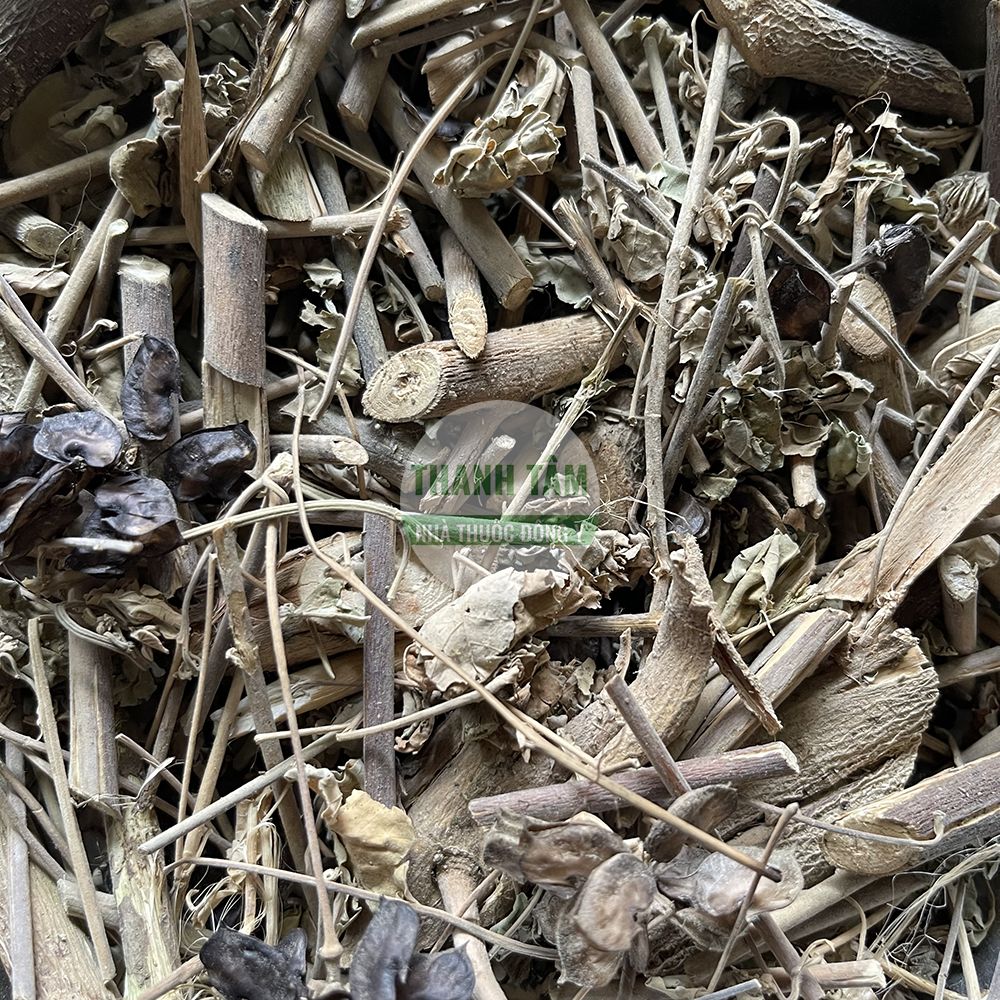
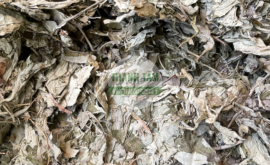
Indian Mallow – a traditional herb used to clear Heat and promote urination
- Scientific name / Pinyin / Chinese: Abutilon indicum / Dong Kui Zi / 冬葵子.
- Flavors, Nature – Meridian: Mildly Sweet, Bland, Cool – Bladder and Liver.
- Main benefits: Helps clear internal Heat, supports smoother urination, and helps reduce swelling and inflammation.
- Reference dosage: 20–40 g daily, commonly prepared as a decoction.
1. Origin and description
Indian Mallow is an herbaceous plant or small shrub belonging to the Malvaceae family. It grows wild along roadsides, on vacant land, around fields, and near residential areas. In Vietnam, the plant is widely distributed from lowland regions to midland and lower mountainous areas.
The Vietnamese name Cối xay comes from the shape of the fruit, which has vertical grooves resembling the traditional stone mill once used to grind rice. Another traditional name, Bạch ma, refers to the plant’s pale fibrous bark. The plant usually grows about 1–2 meters tall and has fine hairs along the stem.
The leaves are heart-shaped with serrated margins and a soft surface that may feel slightly mucilaginous when crushed. The flowers are pale yellow and usually grow singly from the leaf axils. The fruit is round and divides into several sections when mature, creating the characteristic mill-like appearance.
In traditional herbal practice, the whole plant or selected parts such as the stems, leaves, and roots may be used medicinally. The material can be harvested throughout the year and used fresh or dried.
2. Related names of Indian Mallow
Other names: Cối xay, Kim hoa thảo, Đông quỳ tử, Thảo quỳ, Cối xay lá tim, Đồng ma, Bạch ma, Indian mallow, country mallow.
Scientific name: Abutilon indicum (L.) Sweet.
Pinyin name: Mo Pan Cao.
Chinese name: 磨盘草.
Because regional names may vary, correct botanical identification is important before medicinal use, especially when purchasing dried material or combining it with other herbs.
3. Flavors, Nature – Meridian
According to traditional herbal descriptions, Indian Mallow has a mildly Sweet and Bland flavor and a Cool nature. It is associated with the Bladder and Liver Meridians. The Bland quality is traditionally linked with draining Dampness and supporting urination, while the Cool nature helps clear Heat and soothe symptoms associated with internal Heat.
Through the Bladder Meridian, Bạch ma is commonly referenced for difficult urination, frequent painful urination, reduced urine output, or urinary stones. Through the Liver Meridian, it is traditionally used to support the clearing of Heat and may also be included in formulas for skin eruptions associated with Heat.
4. Benefits of Indian Mallow in TCM
Indian Mallow is widely used in Vietnamese herbal formulas because of several traditional actions:
- Clears Heat and supports detoxification: Traditionally used to cool the body and reduce sensations of internal Heat.
- Promotes urination: May support easier urination and help reduce discomfort such as burning or frequent urination.
- Supports the elimination of small urinary stones: Traditionally included in herbal combinations intended to support the passage of small stones.
- Helps reduce swelling and inflammation: Fresh material may be used externally in traditional practice for minor skin swelling or boils.
- Supports joints: May be referenced for mild aching discomfort associated with Wind-Dampness.
Modern research has identified mucilage, flavonoids, and antioxidant compounds in the plant and has explored their potential anti-inflammatory and protective effects. These findings do not replace medical diagnosis or prove that the herb can treat urinary stones or urinary tract disease.
5. How to use and dosage
Indian Mallow is most commonly prepared as a decoction:
- Decoction: Use approximately 20–40 g of dried herb or 50–100 g of fresh plant, decocted with water and consumed during the day.
- Herbal combinations: It may be combined with other herbs that promote urination or clear Damp-Heat.
- External use: Fresh material may be crushed and applied externally in traditional practice for minor swelling or skin inflammation.
Traditional use is often given in short courses rather than continuously. Adequate fluid intake is also commonly recommended unless a medical condition requires fluid restriction.
6. Indications and contraindications
Indications
In TCM and Vietnamese herbal practice, Indian Mallow may be referenced for internal Heat, painful or frequent urination, small urinary stones, mild urinary discomfort, boils, heat rash, and mild skin irritation. It is also traditionally used by people who frequently feel overheated or work in hot environments.
Contraindications
People with Spleen-Stomach deficiency with Cold or prolonged diarrhea should use caution. Pregnant people and anyone receiving treatment for significant urinary tract or kidney disease should consult a doctor or Herb doctor before use.
Severe flank pain, fever, blood in the urine, difficulty passing urine, persistent urinary symptoms, or suspected kidney obstruction requires prompt medical assessment.
7. Reference herbal combinations with Cối xay
- Promoting urination and easing painful urination: Bạch ma may be combined with corn silk.
- Supporting the passage of small urinary stones: It may be paired with Jin Qian Cao in an appropriate formula.
- Clearing Heat and supporting the Liver: It may be combined with Diệp hạ châu according to the traditional purpose.
- Damp-Heat with difficult urination and swelling: Traditional combinations may use Cối xay root with ginger peel, Ruối bark, and Cù đèn bark, roasted before decoction.
- Excess Heat patterns: Classical folk use includes decocting the root alone according to the traditional preparation method.
These combinations are for traditional reference only. Exact proportions and duration should follow constitution, symptoms, medications, and professional guidance.
8. Frequently asked questions
- Can Indian Mallow be used every day? It may be used in short courses when appropriate, but prolonged or excessive self-use is not recommended.
- Can Indian Mallow help with kidney stones? Traditional herbal practice uses it to support the passage of small urinary stones, but it does not replace medical evaluation or treatment.
- Can children use it? Lower amounts may be used in some traditional settings, but professional advice is recommended before giving medicinal herbs to children.
- Can it be used for urinary discomfort? It is traditionally used for mild urinary symptoms related to Heat or Damp-Heat, but persistent symptoms require medical assessment.
- How do I choose good-quality material? Choose clean, properly dried material with natural color, no mold, no unusual odor, and clear sourcing from a reliable supplier.
👉 Visit Thanh Tam Herbs – a trusted Herbal pharmacy for quality herbs and TCM guidance
Nguồn tham khảo
- Dược điển Việt Nam.
- Lương y Hy Lãn Hoàng Văn Vinh, Cây thuốc vị thuốc Đông y, Nhà xuất bản Hà Nội, 2001.
- Tài liệu, hướng dẫn và thông tin chuyên ngành từ Bộ Y tế.
Rate this article
How useful was this article?
Tác giả bài viết