Tsaoko Fruit | Traditional Herbal Medicines
🌿 Tsaoko Fruit – A TCM Herb for Warming the Middle, Dispelling Cold-Dampness, and Supporting Digestion
Tsaoko Fruit, known in Vietnamese as Thảo quả and in Pinyin as Cao Guo (草果), is both a medicinal herb and an aromatic spice commonly used in TCM. With its strong, warm, spicy fragrance, it is traditionally used to warm the Spleen and Stomach, transform Dampness, reduce abdominal fullness, and support digestion. It is especially suitable in selected TCM patterns involving a Cold abdomen, poor digestion, persistent bloating, and Damp-Cold accumulation.
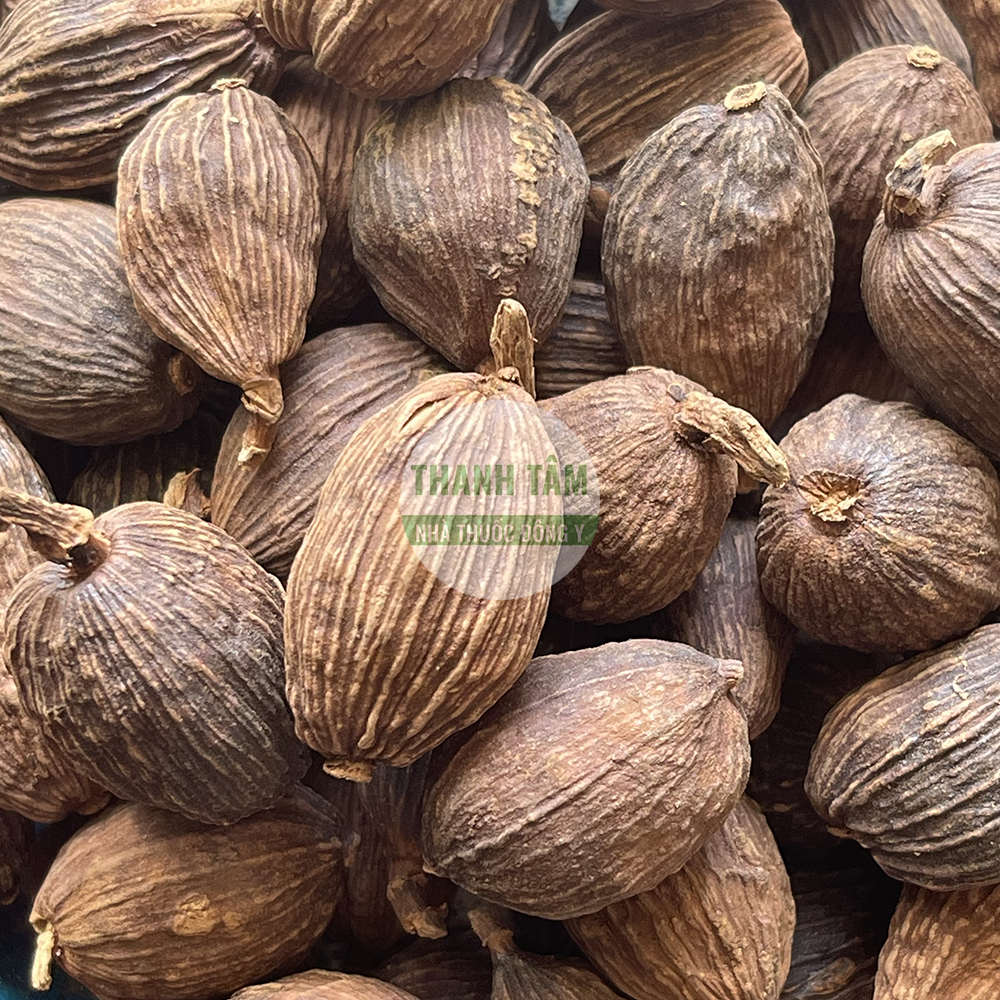
Tsaoko Fruit – a warming TCM herb traditionally used to transform Dampness
- Scientific name / Pinyin / Chinese: Amomum tsao-ko / Cao Guo / 草果.
- Flavors, Nature – Meridian: Pungent, Warm – Spleen and Stomach.
- Main benefits: Warms the abdomen, helps reduce bloating, supports digestion, and helps dispel unpleasant odors associated with Dampness.
- Reference dosage: 3–6 g daily, commonly used in decoctions or cooking.
1. Origin and description
Tsaoko Fruit is the dried ripe fruit of a plant in the genus Amomum, belonging to the ginger family, Zingiberaceae. It grows naturally and is also cultivated in cool, humid mountainous regions, including Yunnan in China, Laos, Myanmar, and northern mountainous areas of Vietnam such as Lao Cai and Ha Giang.
The plant is a perennial herb about 2–3 meters tall, with pseudostems from underground rhizomes, long dark green leaves, basal flowers, and oval fruits with thick shells. Ripe fruits are harvested and dried for medicinal or culinary use.
Good-quality material should be firm, with a dark brown outer shell and a strong spicy aroma. Inside are numerous small seeds with a warm, Pungent, slightly Bitter taste. In TCM, the herb is classified among warming and Dampness-transforming substances and is commonly used for Cold-Dampness affecting the Spleen and Stomach.
2. Related names of Tsaoko Fruit
Other names: Thảo quả, Thảo quả nhân, Tào quả, Sơn quả, Đò ho, Tò ho, tsaoko, Chinese black cardamom, red cardamom.
Scientific name: Amomum tsao-ko Crevost & Lemarié.
Pinyin name: Cao Guo.
Chinese name: 草果.
It should not be confused with ordinary culinary cardamom. Tsaoko has a larger fruit and a stronger smoky-spicy aroma.
3. Flavors, Nature – Meridian
According to TCM theory, Tsaoko Fruit is Pungent in flavor and Warm in nature, and enters the Spleen and Stomach Meridians. The Pungent flavor is associated with moving Qi and dispersing Cold, while the Warm nature helps warm the middle burner and reduce Cold-Dampness that has accumulated in the digestive system.
Because it acts mainly on the Spleen and Stomach, Tò ho is traditionally considered for poor appetite, a Cold abdomen, bloating, or diarrhea related to Damp-Cold.
4. Benefits of Tsaoko Fruit in TCM
In TCM, Tsaoko Fruit is traditionally valued for several key actions:
- Warms the middle and dispels Cold: Helps warm the Stomach and may ease abdominal discomfort related to Cold.
- Transforms Dampness and reduces stagnation: Traditionally used for heaviness in the abdomen, bloating, nausea, and digestive sluggishness.
- Supports digestion: May help improve appetite, especially when rich or fatty foods feel difficult to digest.
- Helps reduce unpleasant odors: Traditionally used when bad breath or strong stool odor is associated with Dampness and stagnation in the digestive tract.
Modern research has examined its essential oils for potential antimicrobial, mild anti-inflammatory, and digestive effects. These findings do not replace medical diagnosis or prove treatment of a specific gastrointestinal condition.
5. How to use and dosage
Tsaoko Fruit can be used in several ways depending on the purpose:
- Decoction: A commonly referenced amount is 3–6 g daily. The fruit is often lightly crushed before decoction to help release its aromatic compounds.
- Culinary use: It can be added to stews, broths, meat dishes, and soups to provide a warm, aromatic flavor and reduce heaviness from rich foods.
- Herbal combinations: It may be combined with other warming and Dampness-transforming herbs according to the TCM pattern.
High doses or prolonged use are not recommended without professional guidance.
6. Indications and contraindications
Indications
In TCM, Tsaoko Fruit may be referenced for Spleen-Stomach deficiency with Cold, poor appetite, abdominal bloating, diarrhea due to Cold, abdominal distension, or dull discomfort in the upper abdomen. It is also included in some traditional formulas for malaria-like disorders classified as Cold-Dampness patterns in TCM.
Contraindications
It is generally not recommended for people showing pronounced internal Heat, such as high fever, constipation, marked dry mouth, or excessive thirst. Pregnant people and those with underlying digestive conditions should consult a doctor or Herb doctor before using medicinal amounts.
Severe or persistent abdominal pain, vomiting, gastrointestinal bleeding, unexplained weight loss, or high fever requires medical assessment.
7. Reference herbal combinations with Thảo quả
- Warming the middle and reducing bloating: Thảo quả may be combined with Chen Pi in an appropriate formula.
- Dispelling Cold-Dampness and supporting diarrhea due to Cold: It may be paired with Gan Jiang.
- Supporting digestion and reducing nausea: It may be combined with Sha Ren according to the pattern.
- Creating a warm and aromatic culinary spice blend: Xiao Hui Xiang + Da Hui Xiang + Ding Xiang + Cao Guo + Rou Gui.
- Traditional formula for intermittent malaria-like patterns with Cold-Dampness: Qing Pi with the white pith removed + ginger-prepared Hou Po + Bai Zhu + Cao Guo Ren + Chai Hu + Fu Ling + prepared Ban Xia + Huang Qin + Gan Cao. The ingredients are traditionally ground, then decocted with water and several slices of ginger and taken warm according to classical instructions.
These combinations are for traditional reference only. Exact proportions and duration should follow constitution, symptoms, medications, and TCM pattern differentiation.
8. Frequently asked questions
- Can Tsaoko Fruit be used every day? Small culinary amounts may be used as a spice, but medicinal doses should not be taken continuously without professional guidance.
- Is Tsaoko Fruit the same as fennel? No. Tsaoko has a larger fruit, a stronger aroma, and a more pronounced traditional Dampness-transforming action than Xiao Hui Xiang.
- Can it help with Cold abdominal pain? In TCM, this is one of its better-known traditional uses, especially when discomfort is associated with Cold and Dampness.
- Can it help with bloating? It is commonly used in formulas when bloating is linked to Dampness, Cold, and digestive stagnation.
- How do I choose good-quality material? Choose firm, intact fruits with a strong characteristic aroma, dark brown shells, no mold or insect damage, and clear sourcing from a reliable supplier.
👉 Visit Thanh Tam Herbs – a trusted Herbal pharmacy for quality herbs and TCM guidance
Nguồn tham khảo
- Dược điển Việt Nam.
- Lương y Hy Lãn Hoàng Văn Vinh, Cây thuốc vị thuốc Đông y, Nhà xuất bản Hà Nội, 2001.
- Tài liệu, hướng dẫn và thông tin chuyên ngành từ Bộ Y tế.
Rate this article
How useful was this article?
Tác giả bài viết