Aged Tangerine Peel | Traditional Herbal Medicines
🌿 Aged Tangerine Peel – A TCM Herb for Qi Regulation, Digestion and Phlegm
Aged Tangerine Peel, known as Chen Pi in TCM, is made from the dried peel of ripe tangerines that has been stored and aged. With its pleasant citrus aroma, moderately warming nature, and traditional effects on both digestion and the respiratory system, it is commonly used for abdominal fullness, poor appetite, phlegm, cough, and weakness of the Spleen and Stomach.
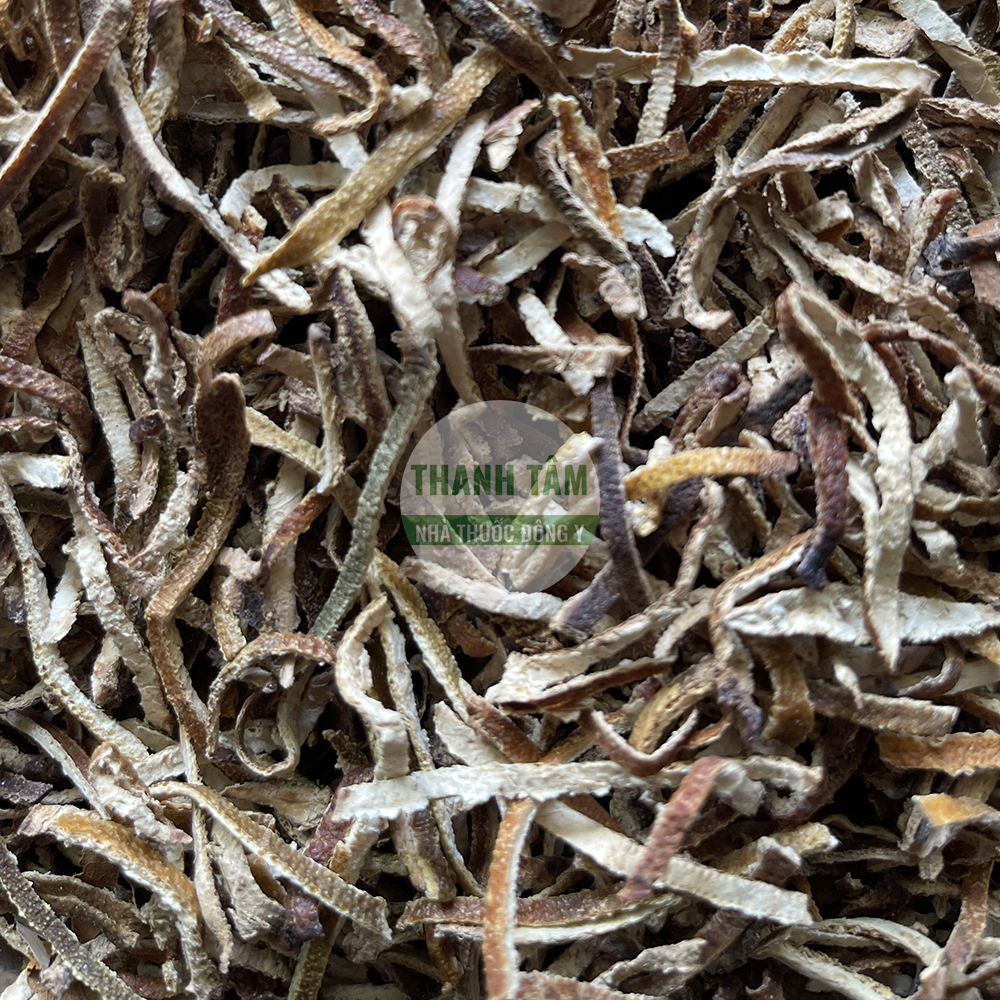
Aged Tangerine Peel – dried tangerine peel traditionally used in TCM
- Scientific name / Pinyin / Chinese: Citrus reticulata / Chen Pi / 陈皮.
- Flavors, Nature – Meridian: Pungent, slightly Bitter, Warm – Spleen, Lung.
- Main benefits: Supports digestion, reduces abdominal fullness, regulates Qi, transforms phlegm, and supports relief of phlegm-related cough.
- Reference dosage: 3–9 g daily, commonly prepared as a decoction, tea, or ingredient in food.
1. Origin and description
Aged Tangerine Peel is prepared from the peel of ripe tangerine fruits belonging to the Rutaceae family. The peel is dried and traditionally aged before medicinal use.
After harvesting, the tangerine peel is separated from the fruit, cleaned, dried gently in the sun, and stored in a dry, ventilated environment. Good-quality peel is usually reddish to dark brown, slightly rough outside, pale inside, and naturally aromatic with a mildly Pungent, Bitter taste.
In TCM classification, Chen Pi belongs to the category of herbs that regulate Qi. Its actions are especially associated with the Spleen and Stomach, where it is traditionally used to reduce stagnation, improve digestive comfort, and support normal movement of Qi.
2. Related names of Aged Tangerine Peel
Other names: Trần bì, Vỏ quýt khô, Quýt bì, Quýt trần, dried tangerine peel, aged citrus peel, mature tangerine peel.
Scientific name: Citrus reticulata Blanco.
Pinyin name: Chen Pi.
Chinese name: 陈皮.
The term Chen Pi specifically refers to dried, aged citrus peel prepared for medicinal use. It should be distinguished from fresh tangerine peel, which contains stronger volatile oils and has different traditional properties and applications.
3. Flavors, Nature – Meridian
According to TCM theory, this herb is Pungent and slightly Bitter in flavor, Warm in nature, and enters the Spleen and Lung Meridians.
The Pungent flavor helps move Qi and relieve stagnation. The Bitter quality supports the drying of Dampness and the reduction of accumulation, while the Warm nature is traditionally associated with supporting digestive function when Cold or Dampness contributes to discomfort.
Its Spleen Meridian affinity explains its frequent use for poor appetite, abdominal fullness, and bloating. Its Lung Meridian affinity is associated with transforming phlegm and supporting respiratory comfort when excessive phlegm contributes to cough or chest congestion.
4. Benefits of Aged Tangerine Peel in TCM
- Supports digestion and reduces bloating: Traditionally used to ease fullness, heaviness after meals, and reduced appetite.
- Regulates Qi: May help relieve abdominal distension, belching, and discomfort associated with Qi stagnation.
- Transforms phlegm: Frequently included in formulas for excessive phlegm, chest congestion, and difficulty clearing mucus.
- Supports cough relief: Commonly paired with other herbs when cough is associated with phlegm accumulation.
- Harmonizes the Spleen and Stomach: Traditionally used to support digestive function in people with Spleen weakness and Dampness.
Modern studies have identified essential oils, flavonoids, and limonene in citrus peel, with ongoing research into digestive, antioxidant, and respiratory-related properties. Traditional use should not replace medical treatment for persistent symptoms.
5. How to use and dosage
A commonly referenced dosage is 3–9 g per day. The amount may vary according to the preparation method, individual constitution, and other herbs in the formula.
- Decoction: Simmer the dried peel in water, often with herbs such as Sha Ren or Bai Zhu.
- Herbal tea: A small amount may be steeped in hot water to support digestion and reduce post-meal fullness.
- Cooking: It can be added in small quantities to soups, porridges, or stews for aroma and digestive support.
- Storage: Keep in a dry, well-ventilated place away from moisture, strong odors, and direct sunlight.
Small culinary amounts may be used regularly, but prolonged medicinal use or high doses should follow professional guidance.
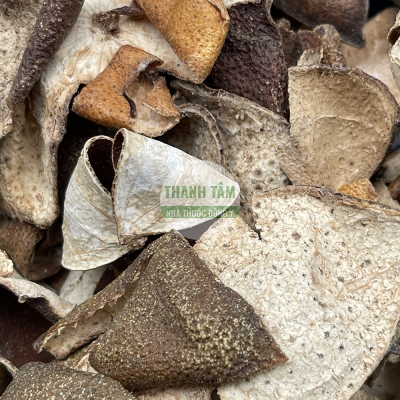
Whole Aged Tangerine Peel | Thanh Tam Herbs
6. Indications and contraindications
Indications
In TCM, Chen Pi may be referenced for abdominal fullness, bloating, poor appetite, mild nausea, phlegm-related cough, chest congestion, and digestive weakness. It is commonly used in formulas for people whose symptoms are associated with Qi stagnation, Dampness, or weakness of the Spleen and Stomach.
Contraindications and precautions
People with marked dry mouth, Heat-related constipation, Yin deficiency with internal Heat, or a very dry cough with little phlegm should use caution. High doses or continuous long-term use are not recommended without an appropriate indication.
Children, pregnant people, and individuals taking long-term medication should seek advice from a qualified healthcare professional or Herb doctor before medicinal use.
7. Reference herbal combinations with Trần bì
- Abdominal fullness and poor appetite: May be combined with Bai Zhu and Sha Ren to support the Spleen, move Qi, and improve digestive comfort.
- Cough with phlegm and chest congestion: May be paired with Ban Xia and Gan Cao in selected phlegm-transforming formulas.
- Spleen support and Dampness: May be combined with Fu Ling and Yi Yi Ren to support digestion and help regulate Dampness.
- Frequent cough with phlegm: May be paired with Gan Cao and Platycodon Root according to the individual TCM pattern.
These combinations are provided for traditional reference only. A complete formula should be selected according to individual symptoms, constitution, and TCM pattern differentiation.
8. Frequently asked questions
- Is older Chen Pi always better? In traditional practice, properly aged material is often valued for a smoother aroma and more balanced medicinal characteristics. Quality, storage conditions, and authenticity remain equally important.
- Can fresh tangerine peel replace Chen Pi? It is not recommended as a direct substitute because fresh peel has a stronger volatile-oil content and different traditional characteristics.
- Can children use it? It may be used in appropriately adjusted amounts, but professional dosage guidance is recommended.
- Can it be used every day? Small amounts in food or tea may be suitable for some people, but regular medicinal use should depend on constitution and purpose.
- How can I choose good-quality material? Choose clean, thoroughly dried peel with a natural citrus aroma, no mold, no excessive moisture, and clear information about origin and storage.
👉 Visit Thanh Tam Herbs – a trusted Herbal pharmacy for quality herbs and TCM guidance
Nguồn tham khảo
- Dược điển Việt Nam.
- Lương y Hy Lãn Hoàng Văn Vinh, Cây thuốc vị thuốc Đông y, Nhà xuất bản Hà Nội, 2001.
- Tài liệu, hướng dẫn và thông tin chuyên ngành từ Bộ Y tế.
Rate this article
How useful was this article?
Tác giả bài viết