Glossy Privet Fruit | Traditional Herbal Medicines
🌿 Glossy Privet Fruit – A TCM Herb Traditionally Used to Nourish Liver and Kidney Yin
Glossy privet fruit, known in TCM as Nu Zhen Zi, is the dried ripe fruit of Ligustrum lucidum W.T.Aiton. In traditional Chinese herbal practice, it is used to nourish Liver and Kidney Yin and is commonly included in formulas for blurred vision, tinnitus, weakness of the lower back and knees, premature graying, and other deficiency patterns associated with insufficient Yin.
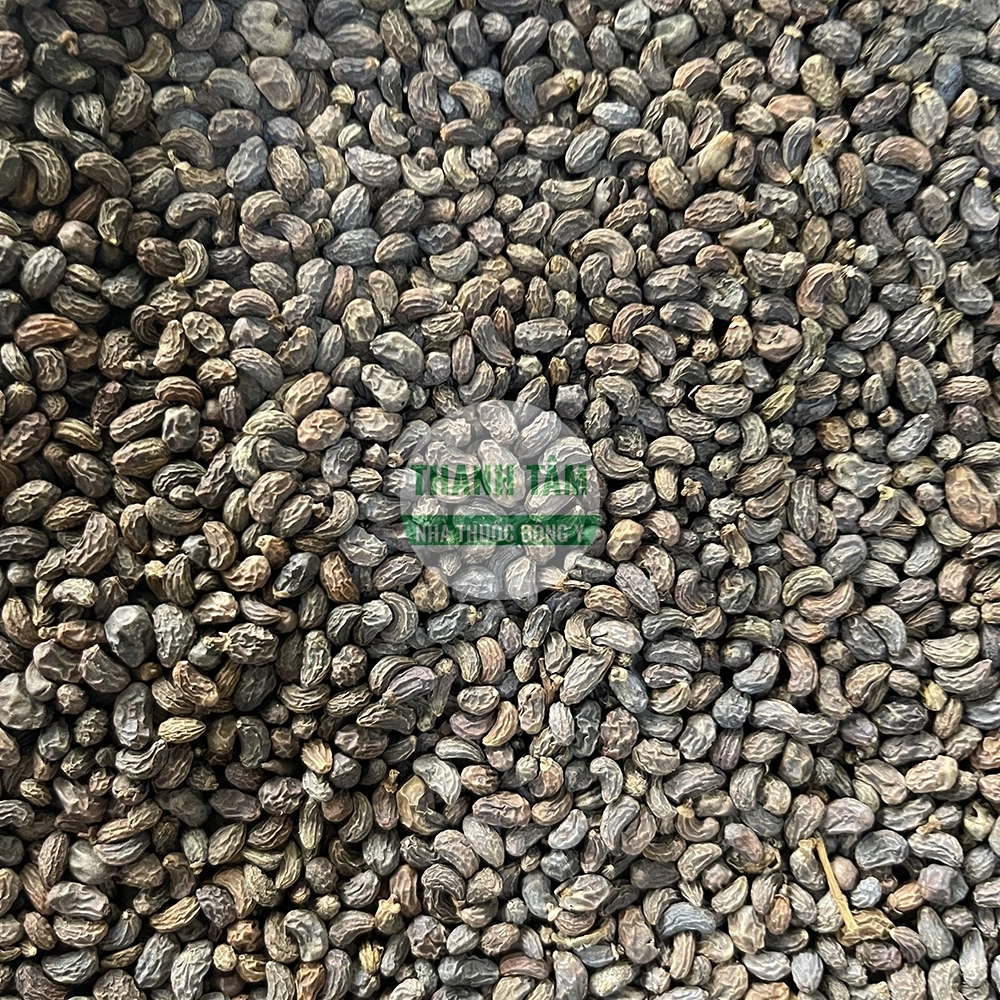
Ripe glossy privet fruits are harvested and dried for traditional herbal use
- Scientific name / Pinyin / Chinese: Ligustri Lucidi Fructus / Nu Zhen Zi / 女贞子
- Flavors, Nature – Meridian: Sweet and Bitter; Cool Nature – enters the Liver and Kidney Meridians
- Main benefits: Traditionally used to nourish Liver and Kidney Yin and support blurred vision, tinnitus, lower-back weakness, and premature graying when appropriate to the TCM pattern
- Reference dosage: 6–12 g of dried medicinal material per day, usually prepared as a decoction or used in pills and powders
1. Origin and description
Glossy privet fruit is the mature dried fruit of Ligustrum lucidum W.T.Aiton, an evergreen tree or shrub in the Oleaceae family. The plant has opposite, thick, glossy leaves and clusters of small white flowers. As the fruits mature, their color changes from green to bluish-black or deep purple-black.
The fruits are harvested when fully ripe, cleaned to remove leaves and other impurities, and then sun-dried or gently dried. The finished medicinal material is usually oval or slightly elongated, with a wrinkled outer surface ranging from dark purple to nearly black.
Good-quality material should be firm, dry, naturally colored, free from mold, and obtained from a traceable herbal source.
2. Related names of Glossy privet fruit
Other names: Nu Zhen Shi, Dong Qing Zi, Chinese privet fruit, and Ligustrum fruit.
Scientific name: Ligustri Lucidi Fructus.
Pinyin: Nu Zhen Zi.
Chinese: 女贞子.
The medicinal material should come from correctly identified Ligustrum lucidum. Fruit collected from ornamental privet trees should not automatically be used as medicine because the species, growing conditions, pesticide exposure, and processing may be uncertain.
3. Flavors, Nature – Meridian
According to TCM, Glossy privet fruit is Sweet and Bitter with a Cool Nature and enters the Liver and Kidney Meridians. Its main traditional actions are nourishing Liver and Kidney Yin, supporting the eyes, and helping maintain healthy-looking hair.
In simpler terms, “nourishing Liver and Kidney Yin” refers to TCM deficiency patterns that may include dizziness, tinnitus, dry or blurred eyes, weakness of the lower back and knees, or sensations of internal Heat. “Supporting the eyes” traditionally refers to blurred vision associated with deficiency, while its hair-related use is associated with premature graying.
These Meridian concepts belong to the theoretical framework of TCM and should not be interpreted as direct effects on modern anatomical organs.
4. Benefits of Glossy privet fruit in TCM
- Supporting Liver-Kidney Yin deficiency: Traditionally used when weakness, dizziness, tinnitus, or soreness of the lower back and knees is associated with a deficiency pattern.
- Supporting eye comfort and vision: Often combined with other Liver-Kidney tonic herbs for dry eyes, blurred vision, or visual fatigue attributed to deficiency.
- Supporting hair vitality: Included in some traditional formulas for premature graying or weak hair associated with insufficient Liver and Kidney Essence or Yin.
- Supporting deficiency-related Heat patterns: May be used when sensations of internal Heat or night sweating occur together with Yin deficiency.
- Supporting general vitality: Commonly included in nourishing formulas for people considered depleted in Yin and Blood according to TCM assessment.
The fruit contains compounds such as oleanolic acid and various glycosides. Modern research has investigated several biological activities, but current evidence is not sufficient to claim that the herb treats a specific disease.
5. How to use and dosage
A commonly referenced amount is approximately 6–12 g of dried fruit per day, depending on the formula, individual constitution, and intended traditional use.
- Decoction: Rinse briefly and simmer with other herbs according to the prescription.
- Pills or powders: The dried fruit may be processed and incorporated into traditional herbal formulas.
- Wine-processing: One traditional preparation method uses yellow rice wine to process the fruit before use.
- Combined formulas: It is commonly paired with Mo Han Lian, goji berry, prepared Rehmannia root, or mulberry fruit.
- Storage: Keep tightly sealed in a cool, dry place away from moisture, mold, and insects.
Do not increase the dose or use the herb continuously simply to “tonify the Kidney,” improve eyesight, or darken gray hair without professional guidance.
6. Indications and contraindications
Traditional indications
In TCM, Glossy privet fruit is referenced for Liver-Kidney Yin deficiency presenting with dizziness, tinnitus, weakness or soreness of the lower back and knees, dry or blurred eyes, premature graying, or other deficiency-related symptoms. Herbal treatment should be based on the overall pattern rather than on a single symptom.
Contraindications and precautions
People with Spleen-Stomach Cold deficiency, frequent abdominal bloating, poor appetite, loose stools, or chronic diarrhea should use it cautiously because of its Cool Nature.
Pregnant or breastfeeding women and people receiving treatment for chronic diseases should consult a healthcare professional or qualified Herb doctor before medicinal use. Stop use and seek advice if unusual digestive symptoms, rash, or other unexpected reactions occur.
Persistent tinnitus, visual changes, unexplained fatigue, or chronic lower-back pain should be medically evaluated because these symptoms can have many different causes.
7. Reference herbal combinations with Nữ trinh thực
- For Liver-Kidney Yin deficiency: Nữ trinh thực may be combined with Mo Han Lian. These two herbs form the well-known traditional formula Er Zhi Wan.
- For blurred vision and visual fatigue: It may be paired with goji berry, chrysanthemum flower, or prepared Rehmannia root according to the TCM pattern.
- For premature graying: Traditional formulas may include Niu Xi, prepared Rehmannia root, mulberry fruit, or prepared He Shou Wu.
- For weak or sore lower back and knees: It may be combined with Du Zhong, Xu Duan, or goji berry when the presentation is consistent with Liver-Kidney deficiency.
- For Yin deficiency with internal Heat sensations: Some traditional formulas combine it with Sheng Di Huang or Zhi Mu according to the individual presentation.
These combinations are provided for traditional reference only and are not standardized prescriptions for self-treatment.
8. Frequently asked questions
Is Glossy privet fruit the fruit of the glossy privet tree?
Yes. The standard medicinal material is the dried ripe fruit of Ligustrum lucidum. Correct botanical identification and proper processing are important.
Can it make gray hair turn black again?
TCM traditionally associates Nu Zhen Zi with supporting healthy hair and premature graying related to Liver-Kidney deficiency. However, gray hair caused by aging or genetics cannot be guaranteed to reverse with a single herb.
Can it be taken every day to support the eyes?
Long-term self-use is not recommended simply for eye health. Blurred vision, dry eyes, or other visual changes may have many causes and should be evaluated when persistent.
Can both men and women use Glossy privet fruit?
Yes. In TCM, selection is based more on the individual’s pattern than on gender. It may be considered for either men or women when a Liver-Kidney Yin deficiency pattern is present.
Can people with frequent diarrhea use it?
Caution is recommended, particularly when diarrhea is associated with Spleen-Stomach Cold deficiency. A qualified Herb doctor can determine whether another formula is more appropriate.
How can good-quality Nu Zhen Zi be recognized?
Choose firm, fully dried fruits with a natural dark purple-black color, minimal impurities, no mold or unusual odor, and clear information about botanical identity and origin.
👉 Visit Thanh Tam Herbs – a trusted Herbal pharmacy offering carefully sourced TCM herbs and professional guidance.
Nguồn tham khảo
- Dược điển Việt Nam.
- Lương y Hy Lãn Hoàng Văn Vinh, Cây thuốc vị thuốc Đông y, Nhà xuất bản Hà Nội, 2001.
- Tài liệu, hướng dẫn và thông tin chuyên ngành từ Bộ Y tế.
Rate this article
How useful was this article?
Tác giả bài viết