Indian lettuce | Traditional Herbal Medicines
🌿 Indian lettuce – A TCM herb for clearing heat, detoxifying, and reducing inflammation
Indian lettuce is a familiar Vietnamese medicinal herb traditionally used to clear heat, remove toxins, ease inflammation, and calm hot swelling. In Vietnam, this name mainly refers to Lactuca indica L., which is different from the dandelions of the genus Taraxacum commonly described in international herbal references.
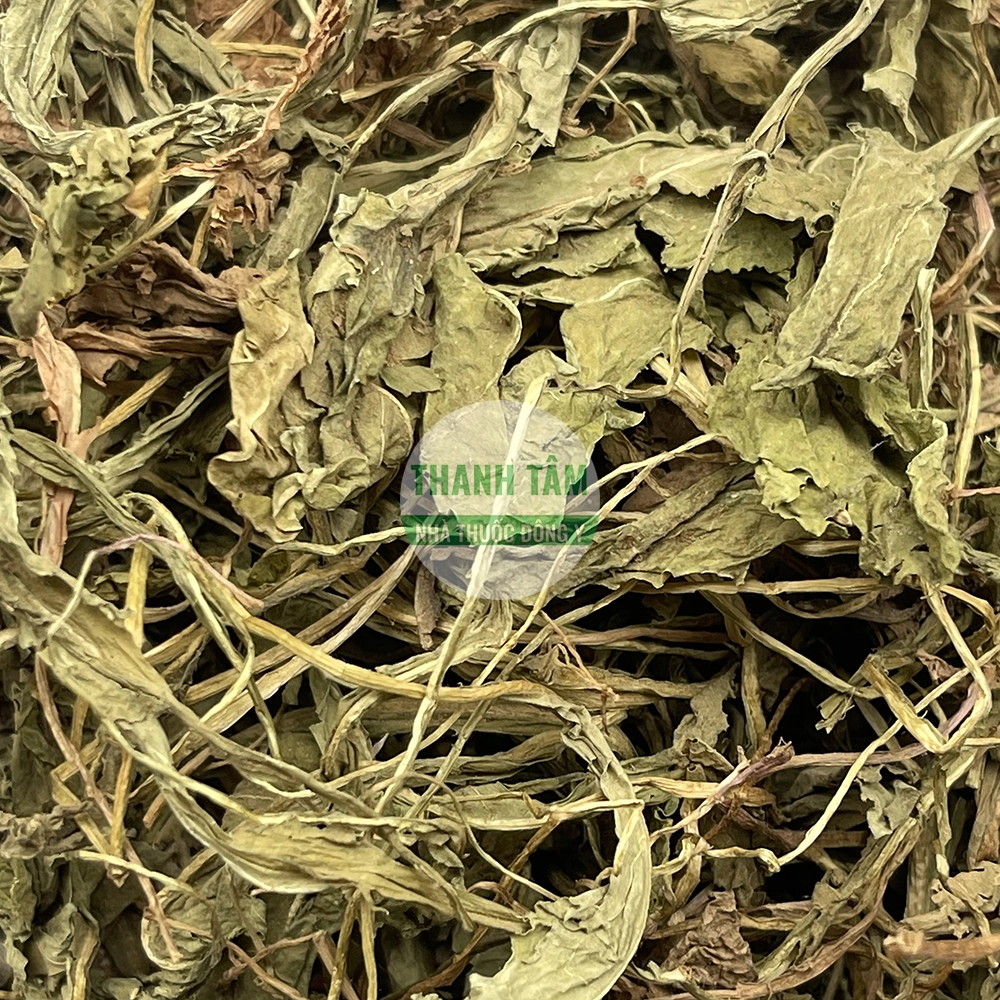
Indian lettuce – a TCM herb for clearing heat and detoxifying
- Scientific name / Pinyin / Chinese: Herba Lactucae indicae / Pu Gong Ying / 蒲公英
- Flavors, Nature – Meridian: Sweet, slightly Bitter, Cold – Liver and Stomach Meridians
- Main benefits: Clears heat, detoxifies, reduces hot swelling, calms boils, supports lactation flow, and helps ease painful urination associated with heat.
- Reference dosage: 8–30 g of dried herb per day as a decoction; use an appropriate amount of fresh material externally.
1. Origin and description
Indian lettuce in the Vietnamese Pharmacopoeia refers to the dried leafy stems of Lactuca indica L., a member of the daisy family (Asteraceae). It grows wild in northern and north-central Vietnam, especially along fields and roadsides.
This annual or biennial herb has an upright, sparsely branched stem. Its alternate, nearly sessile leaves may be lance-shaped or irregularly lobed, with serrated margins. The flower heads are usually yellow.
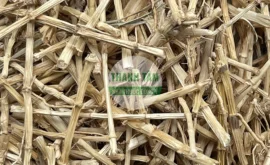
The dried material contains slender stems and wrinkled brown leaves with a mildly Bitter taste. It should be clean, evenly dry, free from mold, and low in impurities.
2. Related names of Indian lettuce
Other names: Wild lettuce, Vietnamese wild lettuce, Diep dai, Diep hoang, Diep troi, Rau bo coc, Rau mui cay, Cay mui mac, Mot met, Phu cong anh, Thien Kim Phuong, and Cau nau thao.
Scientific name: Herba Lactucae indicae.
Pinyin name: Pu Gong Ying.
Chinese name: 蒲公英.
Pu Gong Ying in Chinese herbal practice usually refers to dandelions in the genus Taraxacum. Chi thien may also be called Bo cong anh locally. Buyers should therefore check the scientific name and medicinal part.
3. Flavors, Nature – Meridian
According to the Vietnamese Pharmacopoeia, the herb has a Sweet and slightly Bitter Flavor, a Cold Nature, and enters the Liver and Stomach Meridians.
The Bitter quality is associated with draining and clearing, while the Cold Nature helps calm warmth, redness, pain, and swelling. Its Meridian associations support traditional use for boils and breast swelling.
People who often experience abdominal coldness, loose stools, poor appetite, or general weakness should use it cautiously.
4. Benefits of Indian lettuce in TCM
Its main TCM actions are clearing heat and toxins, reducing inflammation, and dispersing localized swelling or lumps. In simple language, the herb may be used to calm internal heat, red swollen skin, painful boils, and hot inflammatory discomfort.
In Vietnamese folk practice, wild lettuce has been used for boils, skin sores, breast swelling, blocked milk ducts, mastitis, and painful or frequent urination associated with damp heat.
Laboratory research has reported anti-inflammatory or antibacterial activity in Lactuca indica extracts. These preliminary findings do not make the plant a replacement for antibiotics, abscess drainage, or mastitis treatment.
5. How to use and dosage
Indian lettuce is commonly prepared as a decoction or processed herbal extract. The reference dosage in the Vietnamese Pharmacopoeia is 8–30 g of dried material per day.
- Decoction: Rinse the herb briefly, simmer it in water, and divide the liquid into the recommended servings for the day.
- Herbal extract: Use only preparations made through a controlled process, with a clearly stated dosage and traceable source.
- External use: Wash fresh leaves thoroughly, crush them, and apply them around a mildly swollen area that has not opened. Do not place the material on a deep abscess, open wound, or severely infected skin.
- Herbal combinations: It is often combined with honeysuckle flower, forsythia fruit, or wedelia according to the intended use.
Do not drink the decoction instead of water or increase the dose without a Herb doctor.
6. Indications and contraindications
Indications
In TCM, the herb may be used for boils, skin sores, breast swelling, blocked milk ducts, mastitis, and painful or frequent urination caused by a heat or damp-heat pattern. The underlying cause should be identified before treatment.
Contraindications
People with yin deficiency, ruptured boils, frequent abdominal coldness, diarrhea, weakness, or poor digestion should avoid self-treatment.
Pregnant women, children, and people taking long-term medication should consult a doctor or Herb doctor. Anyone allergic to plants in the daisy family should use extra caution.
Breast swelling with fever, chills, spreading redness, pus, or increasing pain requires prompt medical care.
7. Reference herbal combinations with Bồ công anh
- Boils and hot swelling: Bồ công anh may be combined with honeysuckle flower, forsythia fruit, and wedelia.
- Mastitis or blocked milk ducts: It may be paired with rice-paper plant pith and forsythia fruit under professional guidance.
- Painful urination caused by damp heat: It may be combined with plantain seed, gold coin grass, and corn silk.
- Poor appetite with heat signs: It may be paired with aged tangerine peel or malt.
These combinations are general references rather than ready-made prescriptions. Herb selection and dosage should reflect the person’s constitution and complete TCM pattern.
8. Frequently asked questions
- Is Vietnamese Indian lettuce the fluffy-seeded dandelion commonly shown in photographs?
Not usually. The familiar international dandelion generally belongs to the genus Taraxacum, while this Vietnamese medicinal material is mainly Lactuca indica. - Can the herb treat a blocked milk duct?
It is traditionally used as supportive care, but a breastfeeding mother with fever, worsening pain, redness, or pus should seek medical treatment. - Can it be taken every day?
Long-term unsupervised use is not recommended because its Cold Nature may cause digestive discomfort in people with a cold constitution. - Can it replace medicine for an infection?
No. Fever, pus, severe pain, or spreading redness should be assessed by a healthcare professional. - How can good-quality material be identified?
Choose material with recognizable stems and leaves, a natural brown color, a mildly Bitter taste, a dry clean texture, no mold, and a traceable source.
👉 Thanh Tam Herbs – A trusted Herbal pharmacy for carefully selected medicinal herbs
Nguồn tham khảo
- Dược điển Việt Nam.
- Lương y Hy Lãn Hoàng Văn Vinh, Cây thuốc vị thuốc Đông y, Nhà xuất bản Hà Nội, 2001.
- Tài liệu, hướng dẫn và thông tin chuyên ngành từ Bộ Y tế.
Rate this article
How useful was this article?
Tác giả bài viết