Chuan Xiong | Traditional Herbal Medicines
🌿 Chuan Xiong – A TCM Herb for Blood Circulation, Headache Relief, and Menstrual Support
Chuan Xiong (川芎), commonly known as Sichuan lovage root, is a widely used herb in TCM. It is traditionally valued for moving Qi and blood, relieving headaches, easing menstrual discomfort, and supporting circulation. Because of its strong blood-moving properties, it is considered an important herb for patterns involving blood stagnation.

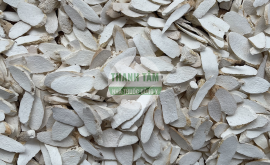
Chuan Xiong sliced root used in TCM
- Scientific name / Pinyin / Chinese: Ligusticum wallichii Franch. / Chuan Xiong / 川芎
- Flavors, Nature – Meridian: Pungent flavor, Warm nature – enters the Liver, Gallbladder, Spleen, and Triple Burner meridians
- Main benefits: Promotes Qi and blood circulation, relieves headaches, supports menstrual regularity, and helps reduce discomfort associated with blood stagnation
- Reference dosage: 3–10 g per day, used in decoctions, powders, or professionally prepared herbal formulas
1. Origin and description
Sichuan lovage root is the dried rhizome of an aromatic plant in the parsley family. The herb is closely associated with Sichuan, China, where the cool climate and fertile soil provide favorable growing conditions.
The plant normally reaches about 40–70 cm in height and has a distinctive fragrance. Its rhizome is the medicinal part. When cut, the interior appears yellowish brown and releases a strong aroma. The flavor is mildly Pungent with a slightly Bitter aftertaste.
In Vietnam, the herb is also cultivated in cool mountainous areas such as Lao Cai and Sa Pa. The rhizomes are usually collected in autumn or winter, then cleaned, sliced, and dried for herbal preparations.
2. Related names of Chuan Xiong
Other names: Xuyên khung, Khung căn, Tứ xuyên khung, Quy khung, Khung cùng and Sichuan lovage root
Scientific herbal name: Ligusticum wallichii Franch.
Pinyin: Chuan Xiong
Chinese name: 川芎
3. Flavors, Nature – Meridian
According to TCM theory, Chuan Xiong has a Pungent flavor and a Warm nature. It enters the Liver, Gallbladder, Spleen, and Triple Burner meridians.
Its Pungent flavor is traditionally associated with moving Qi, while its Warm nature helps encourage blood circulation and disperse stagnation. This makes the herb suitable for pain, tightness, or discomfort caused by obstructed Qi and blood.
Classical herbal practice also describes it as guiding blood upward toward the head. It therefore appears in formulas for headaches, dizziness, and discomfort affecting the head, neck, or chest.
4. Benefits of Sichuan lovage root in TCM
Sichuan lovage root is mainly used as a blood-moving and pain-relieving herb. Its traditional benefits include:
- Relieving headaches and dizziness: Commonly used for recurring headaches, tension headaches, weather-related headaches, and discomfort associated with poor circulation.
- Supporting menstrual health: Used for irregular periods, menstrual cramps, delayed menstruation, or absent periods traditionally linked to blood stagnation.
- Easing muscle, neck, and shoulder discomfort: May support circulation in people who experience stiffness or body aches after prolonged sitting.
- Supporting healthy circulation: TCM formulas use it to encourage smoother blood flow and reduce sensations of tightness, heaviness, or mild dizziness.
- Reducing stress-related tension: By promoting circulation toward the head, it may help ease fatigue, mental fog, and tension.

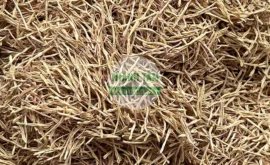
Whole dried Chuan Xiong rhizome
5. How to use and dosage
The herb may be used alone, but it is more commonly combined with other herbs according to the user’s condition and TCM pattern.
- Decoction: Use 3–10 g per day. It is often combined with Dong Quai and prepared Rehmannia root in the classic Four Substances Decoction.
- Powder: The dried root may be ground into powder and traditionally mixed with honey for headaches associated with Qi and blood stagnation.
- Herbal wine: It may be combined with Dong Quai and safflower to support circulation and relieve body aches. Alcohol-based preparations are not suitable for everyone.
The dosage depends on age, health status, formula composition, and other medicines being used. Consultation with a qualified Herb doctor is recommended before regular use.
6. Indications and contraindications
Indications
- Headache, dizziness, neck stiffness, or shoulder discomfort associated with poor circulation.
- Irregular menstruation, menstrual cramps, delayed periods, or absent periods related to blood stagnation.
- Chest discomfort, joint pain, muscle tightness, or body aches described in TCM as stagnant blood.
- Mild symptoms traditionally associated with reduced circulation toward the head.
Contraindications
- Pregnant women and people experiencing unusually heavy menstrual bleeding should avoid using it unless advised by a qualified professional.
- Do not use during active bleeding, including frequent nosebleeds, internal bleeding, or hemorrhagic conditions, without medical approval.
- High doses or prolonged unsupervised use may cause dry mouth, restlessness, or mild insomnia.
- TCM references advise caution in patterns described as Yin deficiency with excessive internal Heat, weak Qi, upward-rising Qi, phlegm-related wheezing, or Spleen weakness with poor appetite.
- Traditional compatibility notes advise against combining it improperly with Coptis root, Astragalus root, Cornus fruit, mirabilite, talc, or Veratrum root.
People taking anticoagulants, antiplatelet medicines, or cardiovascular medicines should consult a doctor before using this herb.
7. Reference herbal combinations with Xuyên khung
- Four Substances Decoction: Combines Xuyên khung, Dong Quai, prepared Rehmannia root, and white peony root to nourish and move blood while supporting menstrual health.
- Tea-Blended Powder: Traditionally combines Xuyên khung with licorice root, Angelica dahurica root, and Siler root for headaches associated with Wind-Cold patterns.
- Angelica Pubescens and Taxillus Decoction: Combines Xuyên khung with Eucommia bark, Gentiana root, and other herbs for chronic joint discomfort, lower-back weakness, and knee aches.
- Chicken tonic soup: May include Chinese yam, Codonopsis root, Astragalus root, lotus seed, Solomon’s seal, prepared Rehmannia root, Dong Quai, Xuyên khung, goji berry, Eucommia bark, and red dates.
- Traditional headache preparation: Historical records describe combining the powdered root with Gastrodia tuber and honey. Use only under professional supervision.
- Traditional postpartum combination: Some classical formulas combine it with Dong Quai, costus root, and peach kernel for postpartum abdominal discomfort. It is not suitable for self-treatment.
8. Frequently asked questions
- Can Chuan Xiong be used long term? A low dosage may be used for an extended period in some formulas. Long-term use should still be supervised by a Herb doctor.
- Can postpartum women use it? It appears in traditional postpartum formulas, often with Dong Quai. Because postpartum bleeding and recovery vary, professional guidance is essential.
- Does it support healthy-looking skin? TCM associates healthy circulation with a brighter complexion. However, it should not be considered a direct cosmetic treatment.
- Can it be taken with prescription medicine? Possible interactions depend on the medicine, especially blood-thinning or cardiovascular drugs. Ask a doctor or pharmacist before combining them.
🌿 Looking for carefully selected TCM herbs?
Visit Thanh Tam Herbs – a trusted Herbal pharmacy for quality herbal ingredients and professional guidance.
Nguồn tham khảo
- Dược điển Việt Nam.
- Lương y Hy Lãn Hoàng Văn Vinh, Cây thuốc vị thuốc Đông y, Nhà xuất bản Hà Nội, 2001.
- Tài liệu, hướng dẫn và thông tin chuyên ngành từ Bộ Y tế.
Rate this article
How useful was this article?
Tác giả bài viết