Lotus Seed | Traditional Herbal Medicines
🌿 Lotus Seed – A nourishing TCM herb for calming the mind, supporting digestion, and strengthening the Spleen
Lotus Seed, known in Vietnamese as Liên nhục, is the white seed kernel of the lotus plant after the bitter green embryo has been removed. It is widely used in both TCM and nourishing cuisine. This gentle herb supports sleep, digestion, the Heart, and recovery without being too heating or too cooling.
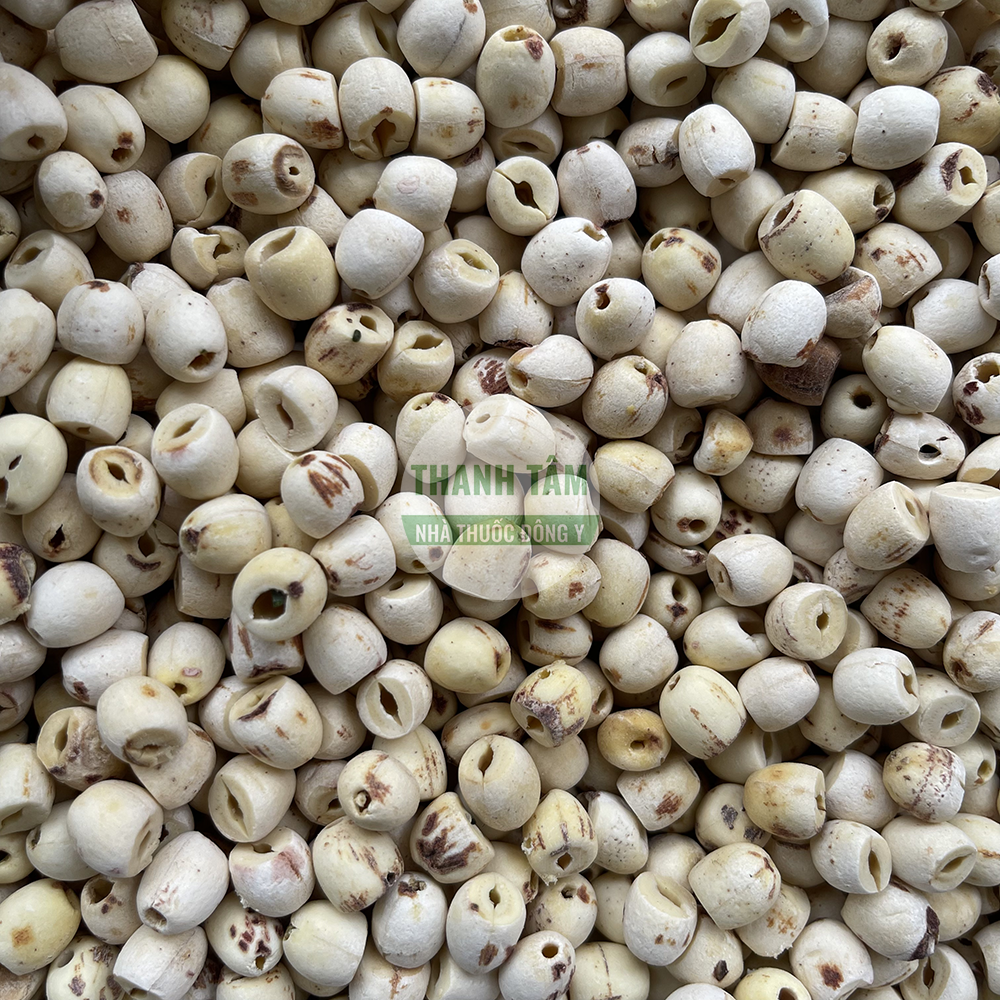
Lotus Seed – nourishing TCM herb for sleep and digestion
- Scientific name / Pinyin / Chinese: Nelumbo nucifera Gaertn. / Lian Rou, Lian Zi / 蓮肉, 莲子
- Flavors, Nature – Meridian: Sweet, Neutral Nature – enters the Heart, Spleen, and Kidney Meridians
- Main benefits: Helps support digestion, calm the mind, improve sleep quality, nourish the Spleen and Kidney, and support vitality in people who feel weak or easily depleted.
- Reference dosage: 10–30 g/day, used in food, soup, porridge, tea, or decoction.
1. Origin and description
Lotus Seed is the mature seed kernel of the lotus plant, with the green lotus plumule removed, belonging to the lotus family (Nelumbonaceae). Lotus is an aquatic plant commonly found in ponds, lakes, marshes, and wetland areas across Asia.
When mature, the seeds are collected from the lotus seed pod, shelled, cleaned, and dried for food or medicinal use. The dried kernel is usually ivory white to pale yellow, firm when dry, and soft, fragrant, and slightly nutty after cooking. Its taste is naturally mild and Sweet.
In TCM, this herb is considered both food and medicine. It is often used for older adults, postpartum women, people recovering from illness, and people with poor sleep or weak digestion. Good material should be dry, clean, naturally colored, free from mold, insects, and sour odor.
2. Related names of Lotus Seed
Other names: Hạt sen, Liên tử, Liên thực, Nhân sen.
Scientific herbal name: Nelumbo nucifera Gaertn. or Semen Nelumbinis. Pinyin name: Lian Rou or Lian Zi. Chinese name: 蓮肉 or 莲子.
This herb should be distinguished from lotus plumule, or Liên tâm, the small green embryo inside the seed. The white kernel is nourishing, while the green embryo is very Bitter and mainly clears Heart heat.
3. Flavors, Nature – Meridian
In TCM, Lotus Seed has a Sweet and astringent flavor with a Neutral Nature. The Sweet flavor helps nourish and harmonize the body. The astringent quality helps secure and hold, which is why it is often used when there is chronic loose stool, leakage, or deficiency-related weakness.
The herb enters the Heart, Spleen, and Kidney Meridians. Entering the Heart helps calm the spirit and support sleep. Entering the Spleen helps strengthen digestion and reduce chronic loose stool related to weakness. Entering the Kidney helps support essence, vitality, and reproductive health.
Because it is gentle and balanced, this herb is often described as nourishing without being overly warming, and calming without being too Cold.
4. Benefits of Lotus Seed in TCM
Lotus Seed is widely used to tonify the Spleen, support the Kidney, nourish the Heart, and calm the spirit. In simple terms, it helps people who feel tired, digest poorly, sleep lightly, or feel mentally unsettled.
For digestion, it supports people with poor appetite, weak digestion, and chronic loose stool due to Spleen deficiency. For sleep, it helps calm the mind when restlessness, forgetfulness, mild palpitations, or overthinking affect rest. For recovery, it is often included in soups for weakness after illness or childbirth. It may also support essence-related issues when the Kidney pattern fits.
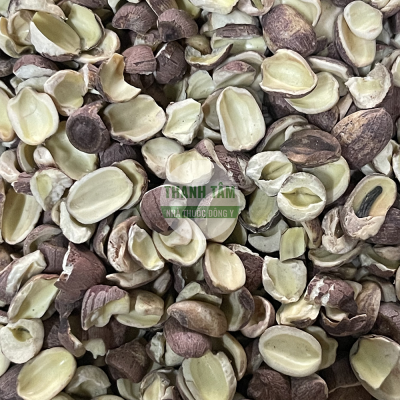
Lotus Seed with shell | Thanh Tam Herbs
5. How to use and dosage
Lotus Seed can be used flexibly in both herbal formulas and nourishing meals. A common reference dosage is 10–30 g per day.
- Decoction: Use 10–30 g daily, often combined with longan flesh or red dates to nourish the Heart and calm the mind.
- Porridge or soup: Cook with rice, Job’s tears, rock sugar, chicken, or other nourishing ingredients to support digestion, sleep, and recovery.
- Herbal tea: Dried kernels may be steeped with jasmine flower or goji berries for a gentle relaxing drink.
The herb should be cooked until soft, especially for children, older adults, and people with weak digestion. It may be used regularly in moderate amounts, but very large portions may cause fullness or constipation in some people.
6. Indications and contraindications
Indications
This herb is traditionally used for Spleen deficiency with loose stool, poor appetite, fatigue, insomnia, forgetfulness, mild palpitations, weakness after illness, postpartum weakness, and Kidney deficiency patterns such as seminal emission or dream emission.
Contraindications
People with constipation, abdominal fullness, or yin deficiency with internal heat should use caution because the astringent quality may feel binding. It is not ideal during high fever or acute infection. People with weak digestion should cook it thoroughly and start with a small amount to avoid bloating.
7. Reference herbal combinations with Hạt sen
- Nourishing chicken soup: Hoài sơn, Đảng sâm, Bắc kỳ, Hạt sen, Ngọc trúc, Thục địa, Quy đầu, Xuyên khung, Bạch chỉ, Đỗ trọng, Kỷ tử, Đại táo – used for pregnancy, postpartum recovery, older adults, and poor appetite.
- Sâm bổ lượng soup: Hoài sơn, Đảng sâm, Bách hợp, Ngọc trúc, Khiếm thực, Nhãn nhục, Câu kỷ tử, Liên nhục, Hoàng kỳ, Táo đỏ – supports recovery, restful sleep, and mental clarity.
- Porridge for sleep: Hạt sen + Job’s tears + longan flesh, used to support the Spleen, calm the mind, and improve sleep depth.
- Heart-nourishing soup: Liên nhục + red dates + ginseng + Astragalus Root, used to support resistance and physical recovery.
These combinations are for reference only and do not replace advice from a Herb doctor.
8. Frequently asked questions
- How is Lotus Seed different from lotus plumule?
Lotus Seed is the white kernel, nourishing and mildly calming. Lotus plumule is the green embryo, very Bitter, and mainly used to clear heat. - Can it be used every day?
Yes, in moderate amounts such as 10–20 g/day, it may support digestion, energy, and sleep. Avoid overeating if you tend to constipation. - Can children use it?
Yes, but it should be cooked soft and used in small amounts to support digestion without causing fullness.
👉 Thanh Tam Herbs – Trusted Herbal pharmacy for authentic TCM herbs
Nguồn tham khảo
- Dược điển Việt Nam.
- Lương y Hy Lãn Hoàng Văn Vinh, Cây thuốc vị thuốc Đông y, Nhà xuất bản Hà Nội, 2001.
- Tài liệu, hướng dẫn và thông tin chuyên ngành từ Bộ Y tế.
Rate this article
How useful was this article?
Tác giả bài viết