Sophora flower bud | Traditional Herbal Medicines
🌼 Sophora Flower Bud – A TCM Herb Traditionally Used to Cool Blood and Support Bleeding Control
Sophora flower bud, known in TCM as Huai Hua, is a familiar herbal medicine traditionally valued for clearing Heat, cooling the Blood, and helping control bleeding associated with Heat patterns. It commonly appears in formulas for nosebleeds, bleeding hemorrhoids, blood in the stool, and other traditional Blood-Heat presentations. It is also consumed in herbal teas and has traditionally been used to support healthy circulation and blood pressure.
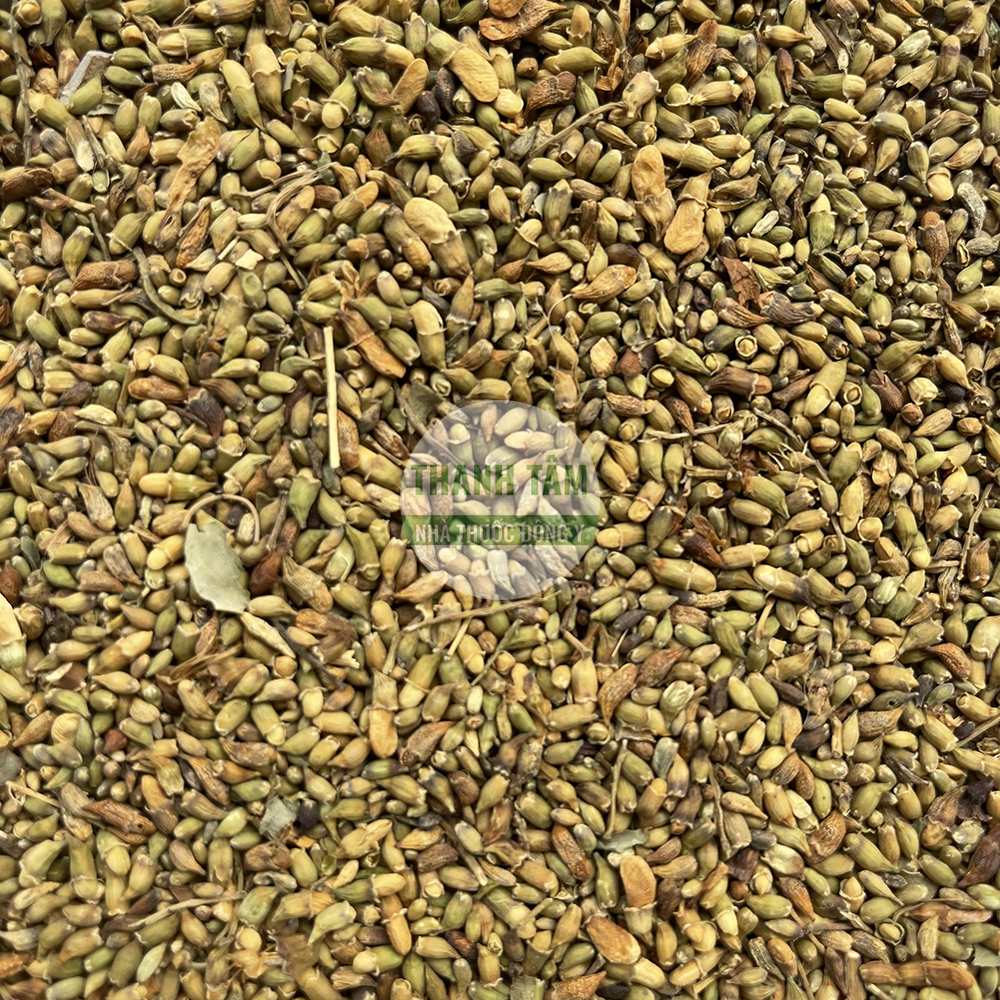
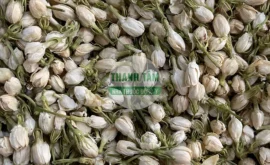
Sophora flower buds are dried for traditional herbal medicine and wellness tea
- Scientific name / Pinyin / Chinese: Sophora japonica L. / Huai Hua / 槐花
- Flavors, Nature – Meridian: Bitter; slightly Cold Nature – enters the Liver and Large Intestine Meridians
- Main benefits: Traditionally used to clear Heat, cool Blood, support bleeding control, and support healthy blood pressure
- Reference dosage: 6–12 g per day, usually prepared as a decoction or according to a traditional formula
1. Origin and description
Sophora flower bud comes from the Japanese pagoda tree, traditionally known as Sophora japonica L., a tree in the Fabaceae family. It is widely cultivated in China, Vietnam, and other parts of East Asia. In herbal medicine, the unopened flower buds are commonly harvested during summer while still green and then dried for medicinal use.
Good-quality dried buds are relatively uniform, yellow-green in color, intact rather than crushed, mildly aromatic, and distinctly Bitter. Different processing methods are traditionally selected according to the intended use.
Raw or lightly dry-fried material is commonly referenced in formulas for clearing Heat and supporting vascular health, while more heavily charred material is traditionally preferred when the main purpose is to help control bleeding.
2. Related names of Sophora flower bud
Other names: Huai Mi, Sophora bud, pagoda tree flower bud, Nụ hòe, and Hòe mễ.
Scientific name: Sophora japonica L.
Pinyin name: Huai Hua.
Chinese name: 槐花.
In some herbal references, Huai Hua may refer to the flower, while Huai Mi specifically refers to the unopened flower bud. In Vietnamese herbal practice, the dried buds are widely used because they are easy to store, process, and combine in formulas.
3. Flavors, Nature – Meridian
Sophora flower bud is described in TCM as Bitter with a slightly Cold Nature. The Bitter flavor is traditionally associated with clearing Heat and directing excess downward, while its cooling quality is used in patterns involving Heat in the Blood.
The herb enters the Liver and Large Intestine Meridians. Its Liver association is traditionally linked with clearing Liver Heat and easing symptoms such as dizziness or headache attributed to Heat patterns. Its Large Intestine association helps explain its frequent use in formulas for bleeding hemorrhoids or blood in the stool.
These Meridian concepts belong to the theoretical framework of TCM and should not be interpreted as direct biomedical effects on modern anatomical organs.
4. Benefits of Sophora flower bud in TCM
This herb is especially valued in traditional formulas involving Blood Heat and bleeding:
- Clearing Heat and cooling Blood: Traditionally used when bleeding or discomfort is associated with excessive Heat.
- Supporting bleeding control: Charred preparations are commonly referenced for nosebleeds, bleeding hemorrhoids, or blood in the stool attributed to Heat patterns.
- Supporting healthy blood pressure: Raw or lightly processed buds have traditionally been used in wellness preparations for people concerned about elevated blood pressure.
- Supporting vascular health: The herb naturally contains flavonoids, including rutin, which have attracted interest in research on blood-vessel health.
- Clearing Liver Heat: Traditionally included in formulas for dizziness, headache, or eye discomfort associated with Liver Heat.
These traditional uses do not mean the herb can replace medical treatment for hypertension, gastrointestinal bleeding, severe hemorrhoids, or other causes of abnormal bleeding.
5. How to use and dosage
A commonly referenced medicinal amount is approximately 6–12 g per day, depending on preparation and individual condition.
- Decoction: Use 6–12 g and simmer with other herbs according to the formula.
- Charred preparation: Traditionally used when the primary purpose is supporting bleeding control.
- Herbal tea: About 5–8 g may be steeped in hot water for a lighter preparation.
- Powder: Some classical formulas use finely ground material combined with other herbs.
Do not use high medicinal doses continuously without professional guidance. People taking blood-pressure or blood-thinning medicines should discuss regular use with a healthcare professional.
6. Indications and contraindications
Traditional indications
- Nosebleeds associated with Heat patterns
- Bleeding hemorrhoids or blood in the stool
- Traditional Blood-Heat bleeding patterns
- Elevated blood pressure associated with Liver Heat in TCM
- Dizziness or headache attributed to excessive Heat
Contraindications and precautions
- People with pronounced Cold deficiency, weak digestion, or frequent loose stools should use it cautiously.
- Bleeding caused by deficiency-Cold patterns requires a different traditional approach.
- Pregnant women should consult a qualified healthcare professional before medicinal use.
- Avoid prolonged high-dose self-treatment.
- Anyone with unexplained, persistent, or heavy bleeding should seek medical assessment rather than relying on herbal medicine alone.
People taking anticoagulants, antiplatelet medicines, or antihypertensive drugs should also seek professional advice before regular medicinal use.
7. Reference herbal combinations with Hòe hoa
- For traditional Blood-Heat bleeding: Nụ hòe + Ce Bai Ye.
- For bleeding hemorrhoids: Nụ hòe + Di Yu + Huang Qin.
- For clearing Liver Heat and supporting healthy blood pressure: Nụ hòe + Xia Ku Cao.
- For traditional nosebleed formulas: Nụ hòe + Sheng Di Huang.
- For blood in the stool: Classical preparations may combine lightly dry-fried Nụ hòe with Jing Jie or Ce Bai Ye in equal proportions before grinding into powder. Traditional quantities and preparation methods should be interpreted by a qualified Herb doctor rather than copied for self-treatment.
These combinations are provided for traditional reference only and are not standardized prescriptions for general use.
8. Frequently asked questions
Can Sophora flower bud be consumed every day?
Small amounts are sometimes consumed as herbal tea, but daily medicinal use is not appropriate for everyone. People with sensitive digestion, low blood pressure, or regular medication should be especially cautious.
What is the difference between Huai Hua and Huai Mi?
Huai Hua generally refers to the Sophora flower, while Huai Mi more specifically refers to the unopened flower bud. In practice, the dried buds are widely used as medicinal material.
Should raw or charred Sophora flower bud be used?
The choice depends on the intended traditional use. Raw or lightly dry-fried material is commonly used for clearing Heat, while charred material is traditionally preferred in formulas intended to support bleeding control.
Can Sophora flower bud replace blood-pressure medicine?
No. Traditional use for blood-pressure support does not replace medical diagnosis, regular monitoring, lifestyle management, or antihypertensive medicines prescribed by a healthcare professional.
👉 Visit Thanh Tam Herbs – a trusted Herbal pharmacy offering carefully sourced TCM herbs and professional guidance.
Nguồn tham khảo
- Dược điển Việt Nam.
- Lương y Hy Lãn Hoàng Văn Vinh, Cây thuốc vị thuốc Đông y, Nhà xuất bản Hà Nội, 2001.
- Tài liệu, hướng dẫn và thông tin chuyên ngành từ Bộ Y tế.
Rate this article
How useful was this article?
Tác giả bài viết