Cassia Seeds | Traditional Herbal Medicines
🌿 Cassia Seeds – A TCM Herb for Clearing Liver Heat, Supporting the Eyes, and Promoting Bowel Movement
Cassia Seeds, known in Vietnamese as Thảo quyết minh, are the mature dried seed of the sicklepod plant. They are commonly referenced for red or irritated eyes, dizziness, headache associated with Liver Heat, and constipation linked with intestinal Dryness or Heat. The seeds may also be dry-fried until aromatic and prepared as an herbal drink.
- Scientific name / Pinyin / Chinese: Semen Cassiae torae / Jue Ming Zi / 决明子.
- Flavors, Nature – Meridian: Sweet, Bitter, slightly Salty, Cool – associated mainly with the Liver and Large Intestine Meridians.
- Main benefits: Clears Liver Heat, supports eye comfort and clearer vision, helps ease dizziness, and promotes bowel movement according to TCM theory.
- Reference dosage: Commonly 9–15 g daily, usually prepared as a decoction.
1. Origin and description
Cassia Seeds are the mature dried seed of Senna tora (L.) Roxb., a plant in the Fabaceae family. In Vietnamese herbal practice, the plant is also known as muồng or quyết minh. Once the pods are fully mature, the seeds are collected, cleaned, and then dried in the sun or at low temperature.
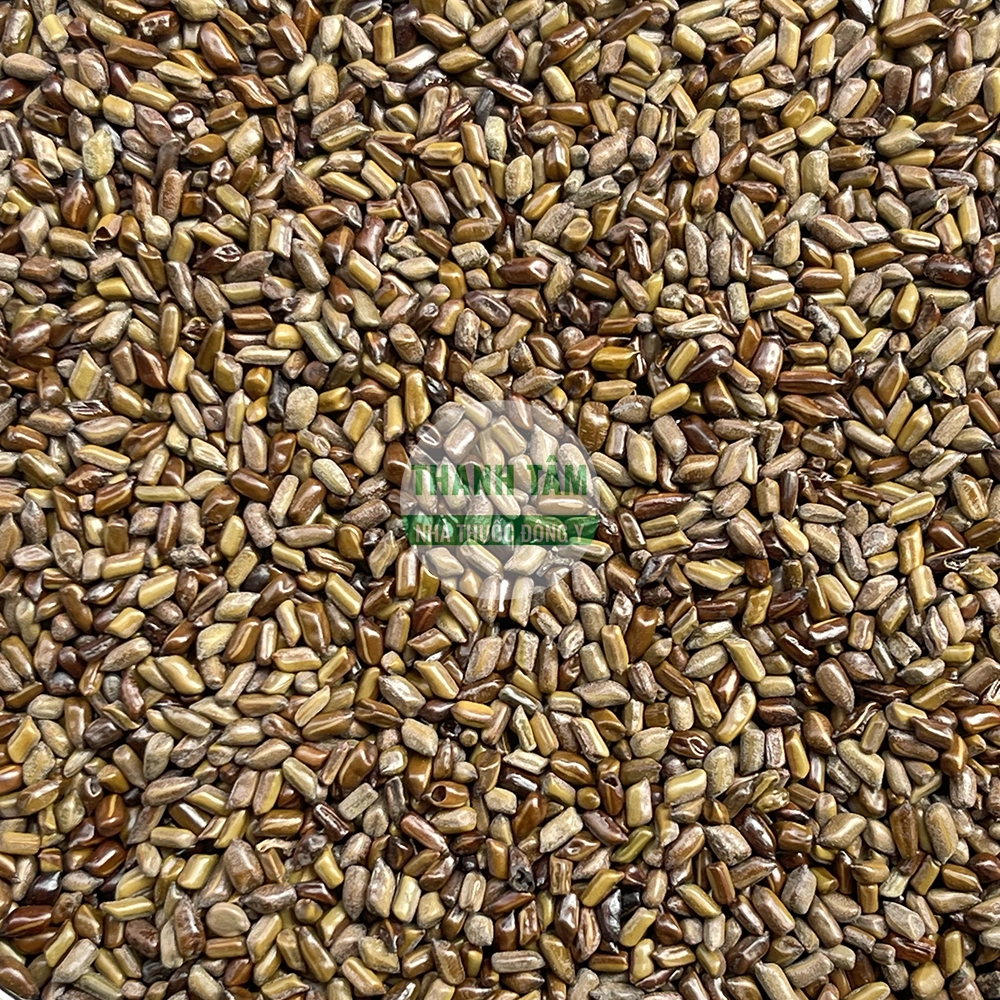
The seeds are small, hard, and usually cylindrical or slightly angular, with both ends somewhat slanted. Their outer surface ranges from light brown to greenish brown and may appear slightly glossy, with visible longitudinal ridges.
The herb may be used raw or dry-fried. Roasted material has a stronger aroma. Good-quality seeds should be dry, firm, and free from mold, insects, or unusual odor.
2. Related names of Cassia Seed
Other names: Thảo quyết minh, Quyết minh tử, Hạt muồng, muồng ngủ, quyết minh, cassia seed, sicklepod seed, Jue Ming Zi.
Scientific name: Semen Cassiae torae; botanical source commonly referenced as Senna tora (L.) Roxb.
Pinyin name: Jue Ming Zi.
Chinese name: 决明子.
Some TCM references also list Cassia obtusifolia as a botanical source. Correct identification and clear sourcing are therefore important.
3. Flavors, Nature – Meridian
In TCM, the herb is described as Sweet and Bitter, with a slightly Salty flavor and a Cool nature. It is associated mainly with the Liver and Large Intestine Meridians. These properties relate to its traditional actions of clearing Liver Heat, supporting the eyes, and moistening the intestines.
“Clearing the Liver” is a TCM concept, not modern “liver detoxification.” It commonly refers to patterns involving red eyes, headache, dizziness, or blurred vision related to Liver Heat.
4. Benefits of Cassia Seed in TCM
- Clears Liver Heat and supports the eyes: Traditionally used for red, painful, watery, or irritated eyes and for blurred vision associated with Wind-Heat or Liver Heat.
- Supports headache and dizziness: May be combined with other herbs when headache, dizziness, or visual disturbance is identified as part of a Liver Yang or Heat pattern.
- Moistens the intestines and promotes bowel movement: Commonly referenced for difficult bowel movements and dry stool caused by intestinal Dryness or Heat accumulation.
- Used in traditional eye-supporting formulas: It may be combined with Ju Hua, Sang Ye, Gou Qi Zi, and other herbs according to the individual pattern.
- Can be prepared as an herbal drink: Dry-fried seeds may be steeped in hot water, but they should not be consumed without limits or used as a substitute for plain water.
These uses belong to TCM practice and are not a substitute for medical diagnosis or treatment.
5. How to use and dosage
A commonly referenced amount is 9–15 g of dried seed per day, usually prepared as a decoction. The amount may vary with constitution, symptoms, and the formula used.
For beverages, the seeds are often dry-fried until aromatic before being steeped in hot water.
Do not use large amounts or concentrated preparations continuously. For extracts, granules, capsules, or tea bags, follow product instructions because their strength differs from raw seeds.
6. Indications and contraindications
Indications
In TCM, Cassia Seed may be referenced for red or painful eyes, blurred vision, headache, dizziness, or lightheadedness associated with Liver Heat. It may also be considered when constipation presents with dry stool and difficult bowel movements related to intestinal Dryness.
Contraindications and precautions
People with diarrhea, frequent loose stools, abdominal coldness, or Spleen-Stomach deficiency should use the herb cautiously because of its Cool nature and bowel-moving effect. If abdominal discomfort or frequent loose stools develop, use should be stopped.
Pregnant or breastfeeding people, children, and anyone taking long-term medication should consult a doctor or Herb doctor before regular medicinal use.
Persistent constipation, blood in the stool, unexplained weight loss, severe abdominal pain, persistent eye redness, or sudden changes in vision require medical assessment.
7. Reference herbal combinations with Thảo quyết minh
- Red eyes associated with Wind-Heat: May be combined with Ju Hua, Sang Ye, and other herbs traditionally used to disperse Wind and clear Heat.
- Dizziness or headache associated with Liver Yang: Traditional combinations may include Ju Hua, Xia Ku Cao, or Gou Teng depending on the pattern.
- Constipation caused by intestinal Dryness: May be paired with Huo Ma Ren, Gua Lou Ren, or other bowel-moistening herbs when appropriate.
- Dry eyes and blurred vision: May be combined with Gou Qi Zi and herbs that nourish the Liver according to the person’s presentation.
These combinations are for traditional reference only. Exact ingredients and proportions should reflect constitution, symptoms, medications, and TCM pattern differentiation.
8. Frequently asked questions
- Is Jue Ming Zi a type of coffee bean? No. After dry-frying, the seeds become darker and develop a roasted aroma, but they come from the sicklepod plant and are not coffee beans.
- Can I drink roasted cassia seed tea every day? Long-term daily use is not suitable for everyone. People prone to diarrhea, loose stools, or digestive weakness should be cautious.
- Can it be used for constipation? In TCM, the herb is used to moisten the intestines and promote bowel movement. Persistent constipation, bleeding, weight loss, or significant abdominal pain requires medical evaluation.
- Is raw or roasted material better? It depends on the intended use. Raw material is emphasized for clearing Heat and promoting bowel movement, while roasted seed is more aromatic and often considered gentler.
- How do I choose good-quality seeds? Choose seeds that are dry, firm, relatively uniform, naturally colored, free from mold or insect damage, and supplied by a reliable Herbal pharmacy with clear sourcing.
👉 Visit Thanh Tam Herbs – a trusted Herbal pharmacy for quality herbs and TCM guidance
Nguồn tham khảo
- Dược điển Việt Nam.
- Lương y Hy Lãn Hoàng Văn Vinh, Cây thuốc vị thuốc Đông y, Nhà xuất bản Hà Nội, 2001.
- Tài liệu, hướng dẫn và thông tin chuyên ngành từ Bộ Y tế.
Rate this article
How useful was this article?
Tác giả bài viết