Wild Betel Leaf | Traditional Herbal Medicines
🌿 Wild Betel Leaf – A TCM Herb for Warming the Middle, Dispelling Cold, and Supporting Joint Comfort
Wild Betel Leaf, known in Vietnamese as Lá lốt, is both a familiar culinary herb and a medicinal plant used in Vietnamese traditional practice and TCM. The herb is Warm in nature and is commonly referenced for abdominal pain caused by Cold, bloating, diarrhea, aching joints, or cold and numb hands and feet when these symptoms match a Cold pattern.
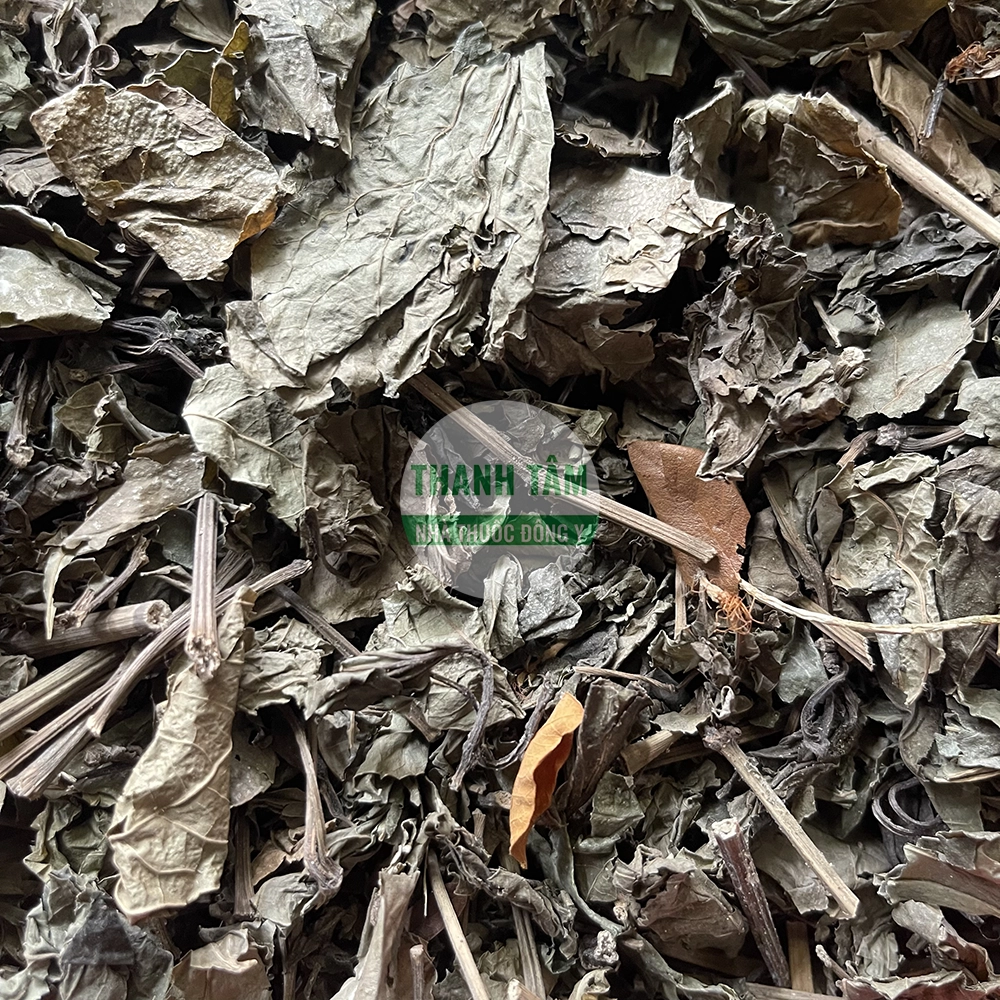
- Scientific name / Pinyin / Chinese: Herba Piperis lolot / Jia Ju / 假蒟.
- Flavors, Nature – Meridian: Pungent, Warm – associated with the Spleen and Lung Meridians.
- Main benefits: Warms the middle, helps ease Cold-related abdominal pain, bloating, diarrhea, and discomfort associated with Wind-Cold-Damp patterns according to TCM theory.
- Reference dosage: 8–12 g of dried herb or 15–30 g of fresh herb daily, usually prepared as a decoction.
1. Origin and description
Wild Betel Leaf is a perennial herb in the Piperaceae family and is widely cultivated as well as found growing naturally in Vietnam. The plant prefers moist, shaded environments. Its creeping stems have visible nodes, and new roots may develop from these nodes.
The leaves grow alternately. Each leaf is broadly ovate to nearly round, with a heart-shaped base and a pointed tip. When crushed, it releases a characteristic aromatic scent. The flowering structure is a small spike.
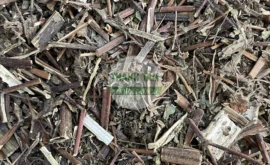
The aerial parts can be harvested throughout the year and used fresh or dried. Good dried material should retain a natural color and aroma, be free from mold, and contain minimal foreign matter. Store it in a dry, well-ventilated place.
2. Related names of Wild Betel Leaf
Other names: Lá lốt, Rau lốt, Lá lốp, Lá nốt, wild betel leaf, lolot leaf, lolot pepper leaf.
Scientific name: Herba Piperis lolot.
Pinyin name: Jia Ju.
Chinese name: 假蒟.
The herb should not be confused with true betel leaf, Piper betle, which is a different species and is used differently in traditional herbal practice.
3. Flavors, Nature – Meridian
In Vietnamese traditional herbal practice, the herb is described as Pungent in flavor and Warm in nature, with an aromatic character. It is associated mainly with the Spleen and Lung Meridians.
Its Warm nature explains why it is traditionally selected for conditions related to Cold, such as cold abdominal pain, cold hands and feet, or joint discomfort that becomes worse during cold and damp weather.
People with obvious Heat signs should not use it for long periods without professional guidance.
4. Benefits of Wild Betel Leaf in TCM
- Warms the middle and dispels Cold: Traditionally used for abdominal pain, bloating, or diarrhea when these symptoms are related to Cold in the digestive system.
- Moves Qi and supports pain relief: May be included in herbal combinations for abdominal pain, headache, or tooth discomfort depending on the underlying TCM pattern.
- Dispels Wind-Damp: Commonly referenced for aching joints, numbness, or cold sensations in the limbs, especially when symptoms worsen in cold or humid weather.
- Supports digestion: Its Warm, aromatic qualities may be helpful for fullness, poor digestion, and bloating associated with a Cold pattern.
- Traditional external use: The herb may also be boiled in water and used as a warm soak or wash.
These traditional uses belong to TCM and Vietnamese herbal practice and should not replace medical diagnosis or treatment.
5. How to use and dosage
A commonly referenced amount is 8–12 g of dried herb or 15–30 g of fresh material per day. The usual method is to prepare it as a decoction, either on its own or with other herbs according to the person’s constitution and symptom pattern.
For external use, the herb may be boiled in water and used as a warm soak or wash. It should not be applied directly to inflamed ulcers, infected skin, or deep wounds without professional guidance.
For concentrated extracts or capsules, follow product instructions because their strength is not equivalent to raw herb by weight.
6. Indications and contraindications
Indications
In TCM, Wild Betel Leaf may be referenced for Wind-Cold-Damp patterns with aching joints, numbness, or cold sensations in the hands and feet. It may also be considered for abdominal pain caused by Cold, bloating, vomiting, or diarrhea associated with a Cold pattern.
Contraindications and precautions
People with clear Heat signs or persistent constipation should use the herb cautiously because it is Warm in nature. Pregnant or breastfeeding people, children, and anyone taking long-term medication should consult a doctor or Herb doctor before regular medicinal use.
Joint pain accompanied by redness, swelling, heat, or fever should be medically assessed. Severe abdominal pain or bloody stools also require prompt evaluation.
7. Reference herbal combinations with Lá lốt
- Aches associated with Wind-Cold-Damp: May be combined with Tian Nian Jian, Gou Ji, Du Huo, or other herbs traditionally used to dispel Wind and Cold.
- Abdominal pain caused by Cold: May be combined with fresh ginger, Chen Pi, or other herbs that warm the middle and regulate Qi.
- Bloating and poor digestion: May be paired with Sha Ren, Chen Pi, or Xiang Fu according to professional guidance.
- Warm foot soak for coldness and numbness: Rau lốt may be boiled together with Cỏ xước and used in a warm foot soak. Check the water temperature carefully to avoid burns.
These combinations are for traditional reference only and should be adjusted according to constitution, symptoms, medications, and pattern differentiation.
8. Frequently asked questions
- Is eating Lá lốt every day the same as using it medicinally? Not exactly. Culinary amounts are generally smaller than medicinal doses, while therapeutic use should consider the individual pattern and constitution.
- Can this herb be used for joint pain? TCM traditionally uses it when pain matches a Wind-Cold-Damp pattern. Pain caused by inflammation, injury, gout, osteoarthritis, or other joint disease should be properly diagnosed.
- What is a warm foot soak with the leaves used for? A warm herbal soak is traditionally used to provide warmth and temporary comfort, but it does not replace treatment for nerve, vascular, or musculoskeletal disorders.
- Should people who often feel hot use large amounts? Long-term self-use is not recommended because the herb is Warm and may not suit people with clear Heat signs.
- How do I choose good-quality material? Choose clean material with a natural aroma and color, no visible mold, no unusual discoloration, minimal impurities, and clear sourcing from a reliable Herbal pharmacy.
👉 Visit Thanh Tam Herbs – a trusted Herbal pharmacy for quality herbs and TCM guidance
Nguồn tham khảo
- Dược điển Việt Nam.
- Lương y Hy Lãn Hoàng Văn Vinh, Cây thuốc vị thuốc Đông y, Nhà xuất bản Hà Nội, 2001.
- Tài liệu, hướng dẫn và thông tin chuyên ngành từ Bộ Y tế.
Rate this article
How useful was this article?
Tác giả bài viết