Dodder Seeds | Traditional Herbal Medicines
🌿 Dodder Seeds – A TCM Herb Traditionally Used to Tonify the Liver and Kidney and Secure Essence
Dodder seeds, known in TCM as Tu Si Zi, are the dried ripe seed of several Cuscuta species. In traditional Chinese herbal practice, it is used to tonify the Liver and Kidney, secure Essence, reduce frequent urination, support vision, and address certain deficiency-related digestive patterns. They also appear in some classical pregnancy-support formulas, but pregnant women should not self-medicate with this herb.
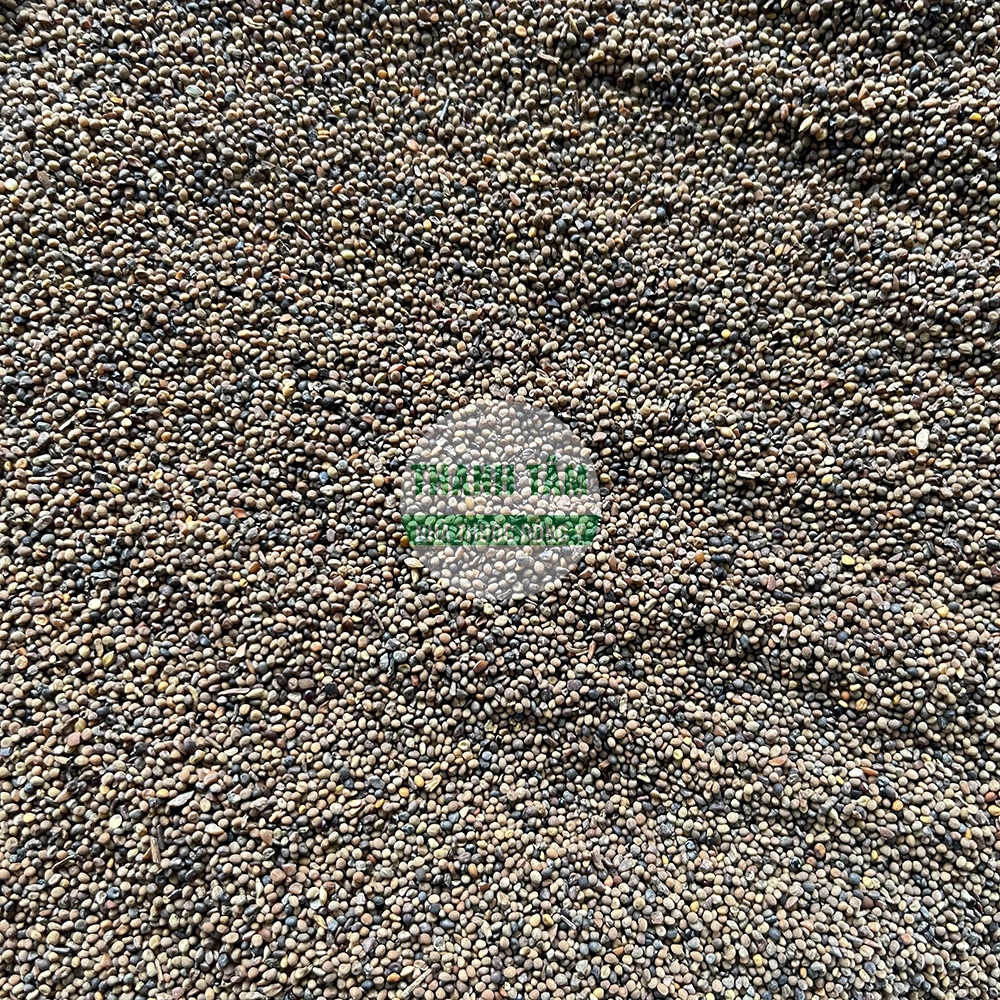
Dried Dodders seed used as a traditional TCM medicinal material
- Scientific name / Pinyin / Chinese: Semen Cuscutae / Tu Si Zi / 菟丝子
- Flavors, Nature – Meridian: Sweet; Warm Nature – enters the Liver, Kidney, and Spleen Meridians
- Main benefits: Traditionally used to support weak lower back and knees, frequent urination, seminal leakage, blurred vision, and diarrhea associated with deficiency patterns
- Reference dosage: 6–12 g of dried medicinal material per day, usually decocted or used in pills and powders
1. Origin and description
Dodder seeds are obtained from the mature seeds of parasitic plants in the Cuscuta genus. Common medicinal sources include Cuscuta chinensis Lam. and Cuscuta australis R.Br. These plants grow as very slender, thread-like vines that wrap around host plants.
When the fruits mature, the plants are collected and dried. The seeds are separated by threshing and then cleaned to remove impurities. The medicinal seeds are small and hard, ranging from yellow-brown and reddish-brown to dark brown. When heated or boiled until the seed coat splits, a pale yellow coiled embryo may become visible.
Correct botanical identification is important because the medicinal seeds should not be confused with the entire dodder plant or other small brown seeds.
2. Related names of Dodder seeds
Other names: Chinese dodder seed, Tu Si Zi, Hạt tơ hồng, Tơ hồng tử, and Thỏ ty thực.
Scientific name: Semen Cuscutae.
Pinyin name: Tu Si Zi.
Chinese name: 菟丝子.
In TCM, the dried seed is the medicinal part discussed here. The whole Cuscuta plant may have different traditional applications and should not automatically be substituted for the seed.
3. Flavors, Nature – Meridian
According to TCM, Dodder seeds are Sweet with a Warm Nature and enters the Liver, Kidney, and Spleen Meridians. Its traditional actions include tonifying the Liver and Kidney, securing Essence, reducing excessive urination, supporting vision, helping stop deficiency-related diarrhea, and supporting pregnancy in selected deficiency patterns.
In simpler terms, “tonifying the Liver and Kidney” refers to TCM patterns involving weak lower back and knees, reduced vitality, or blurred vision. “Securing Essence and reducing urination” refers to traditional use for seminal leakage, frequent urination, or nighttime urination associated with Kidney deficiency.
These concepts belong to the theoretical framework of TCM and should not be interpreted as direct effects on modern anatomical organs.
4. Benefits of Dodder seeds in TCM
- Supporting weak lower back and knees: Traditionally included in formulas for soreness, weakness, or reduced strength associated with Liver-Kidney deficiency.
- Supporting reproductive vitality: Used in some formulas for seminal leakage or reduced sexual vitality when the TCM pattern is identified as Kidney deficiency.
- Supporting urinary control: Its traditional securing action is referenced for frequent urination or nocturia associated with deficiency patterns.
- Supporting vision: May be combined with other tonic herbs for blurred vision attributed to Liver-Kidney deficiency.
- Supporting digestion: Used in formulas for long-standing diarrhea associated with Spleen-Kidney deficiency.
- Traditional pregnancy support: Tu Si Zi appears in some classical formulas for threatened miscarriage associated with deficiency, but pregnancy requires professional supervision.
Modern research has examined flavonoids and other natural compounds in the herb, but human clinical evidence remains limited.
5. How to use and dosage
A commonly referenced amount is approximately 6–12 g of dried medicinal material per day, depending on the formula and individual constitution.
- Decoction: Clean the seeds, lightly crush them if appropriate, and simmer with other herbs according to the formula.
- Pills or powders: The seeds may be ground and incorporated into traditional preparations.
- Salt-processing: Some traditional methods process the seeds with salt water to emphasize their Kidney-directed action according to TCM theory.
- External use: Some traditional references describe external preparations for certain skin conditions; professional guidance is recommended.
- Storage: Keep tightly sealed in a dry place away from moisture, mold, and insects.
Do not increase the dose or use the herb for prolonged periods simply as a general “Kidney tonic” without professional guidance.
6. Indications and contraindications
Traditional indications
In TCM, Dodder seed is referenced for weak or sore lower back and knees associated with Liver-Kidney deficiency, seminal leakage, frequent urination, nighttime urination, blurred vision, chronic diarrhea associated with Spleen-Kidney deficiency, and selected pregnancy-related deficiency patterns.
Contraindications and precautions
People with pronounced Yin deficiency accompanied by Heat signs, significant constipation, or difficult urination associated with Damp-Heat should not self-use this herb.
Pregnant women should only use Tu Si Zi when prescribed by a qualified healthcare professional or experienced Herb doctor. People receiving treatment for chronic diseases or taking several medicines should also seek professional advice before combining it with other herbs.
Persistent urinary symptoms, sexual dysfunction, vision changes, chronic diarrhea, or lower-back pain should be medically evaluated because these symptoms can have many causes.
7. Reference herbal combinations with Thỏ ty tử
- For weak lower back and knees associated with Kidney deficiency: Dodder seeds may be combined with Du Zhong, Xu Duan, or Gou Ji.
- For seminal leakage or reduced vitality: Traditional formulas may include Sha Yuan Zi, goji berry, or Wu Wei Zi.
- For frequent urination or nocturia: It may be combined with Yi Zhi Ren, Shan Zhu Yu, or Jin Ying Zi.
- For blurred vision associated with Liver-Kidney deficiency: Traditional combinations may include goji berry, Nu Zhen Zi, or prepared Rehmannia root.
- For chronic diarrhea associated with deficiency: It may be paired with Bai Zhu, Shan Yao, or Bu Gu Zhi.
These combinations are provided for traditional reference only and are not standardized prescriptions for self-treatment.
8. Frequently asked questions
Is Dodder seed the seed of the dodder plant?
Yes. The medicinal material consists of dried ripe seeds from selected Cuscuta species traditionally used in herbal medicine.
Can men with sexual weakness take it by themselves?
Self-treatment is not recommended. Sexual dysfunction can have hormonal, vascular, neurological, psychological, medication-related, and other causes. Not every case corresponds to Kidney deficiency in TCM.
Does Dodder seed support the eyes?
TCM traditionally uses it for blurred vision associated with Liver-Kidney deficiency. Persistent blurred vision, eye pain, or sudden visual changes require professional eye examination.
Can it be taken every day to tonify the Kidney?
Routine long-term use is not recommended without a clear indication. The appropriate herb, dose, and duration depend on the individual’s constitution and symptoms.
Can pregnant women use Dodder seeds?
Only under professional supervision. Although it appears in traditional pregnancy-support formulas, pregnancy is not an appropriate time for unsupervised herbal treatment.
How can good-quality Dodder seeds be recognized?
Choose seeds that are relatively uniform, firm, naturally colored, fully dry, clean, free from mold and unusual odors, and supplied by a traceable source.
👉 Visit Thanh Tam Herbs – a trusted Herbal pharmacy offering carefully sourced TCM herbs and professional guidance.
Nguồn tham khảo
- Dược điển Việt Nam.
- Lương y Hy Lãn Hoàng Văn Vinh, Cây thuốc vị thuốc Đông y, Nhà xuất bản Hà Nội, 2001.
- Tài liệu, hướng dẫn và thông tin chuyên ngành từ Bộ Y tế.
Rate this article
How useful was this article?
Tác giả bài viết