Mulberry Fruit | Traditional Herbal Medicines
🌿 Mulberry Fruit – A TCM Herb Traditionally Used to Nourish Blood and Yin
Mulberry fruit, known in TCM as Sang Shen, is the ripe fruit of the mulberry tree. Used as both food and herbal medicine, it is traditionally valued for nourishing Blood and Yin, supporting body fluids, promoting bowel regularity, and maintaining general vitality.
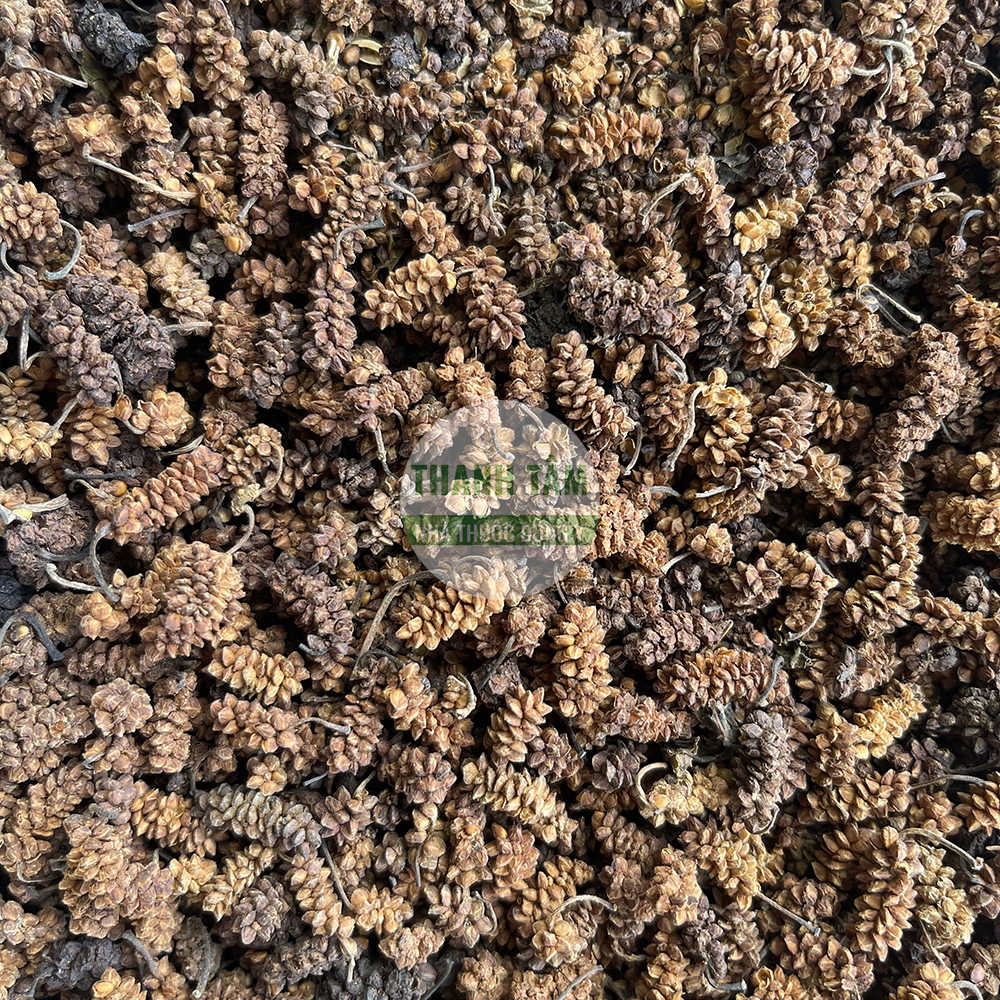
Mulberry fruit – a traditional TCM herb and nourishing food
- Scientific name / Pinyin / Chinese: Fructus Mori albae / Sang Shen / 桑椹
- Flavors, Nature – Meridian: Sweet; Cold Nature – enters the Liver, Heart, and Kidney Meridians
- Main benefits: Traditionally used to nourish Blood and Yin, support body fluids, promote bowel regularity, and support hair and skin vitality
- Reference dosage: 12–30 g per day, or as directed by a qualified Herb doctor
1. Origin and description
Mulberry fruit is the ripe fruit of the mulberry tree, a member of the Moraceae family. Mulberry trees have been cultivated for centuries across Vietnam and other parts of Asia, both for silkworm farming and for traditional food and herbal use.
When ripe, the fruits are elongated, soft, and juicy, ranging from pale yellow and red to deep purple-black. They have a mild Sweet taste with slight Sour notes. In TCM, they may be eaten fresh, dried for herbal use, or prepared as syrups, beverages, wines, and nourishing foods.
Good-quality dried material should come from fully ripened fruit, have an even natural color, and be free from mold or unusual odors.
2. Related names of Mulberry fruit
Other names: Ripe mulberry, mulberry berry, Tang Shi, Tang Zao, Wu Shen, and Hei Shen.
Scientific name: Fructus Mori albae.
Pinyin name: Sang Shen.
Chinese name: 桑椹.
In classical herbal practice, Sang Shen is regarded as both food and medicine and is commonly used in nourishing formulas for dryness and deficiency patterns.
3. Flavors, Nature – Meridian
Mulberry fruit is described in TCM as Sweet with a Cold Nature. The Sweet flavor is associated with nourishment and body-fluid support, while its Cold Nature is traditionally considered suitable for dryness or mild internal heat.
The herb is said to enter the Liver, Heart, and Kidney Meridians. In TCM theory, these associations relate to nourishing Blood, supporting the spirit, and nourishing Essence and Yin. They should not be interpreted as direct effects on modern anatomical organs.
4. Benefits of Mulberry fruit in TCM
Mulberry fruit is valued as a gentle nourishing herb with several traditional applications:
- Nourishing Blood: Traditionally used in deficiency patterns associated with pale complexion, dizziness, or general weakness.
- Nourishing Yin and body fluids: Used to help relieve dryness of the mouth or throat associated with fluid deficiency.
- Supporting digestion and bowel regularity: Its moistening nature makes it useful in traditional formulas for mild constipation caused by dryness.
- Supporting hair and skin vitality: Often included in formulas for premature graying or dryness associated with Liver-Kidney deficiency.
- Supporting general vitality: Used as a nourishing food-herb for people recovering from fatigue or prolonged weakness.
These are traditional TCM uses and should not be interpreted as proven treatments for anemia or hair-loss disorders.
5. How to use and dosage
Mulberry fruit can be prepared in several ways:
- Decoction: Use approximately 12–30 g of dried fruit and simmer in water for daily use.
- Herbal beverage: Dried fruit can be steeped or gently simmered with other nourishing herbs.
- Syrup or extract: Mulberry preparations may be made into concentrated syrups or pastes according to traditional practice.
- As food: The fruit may be added to porridge, desserts, soups, or other nourishing dishes.
Because mulberries naturally contain sugars, people monitoring blood glucose should consider portion size, especially with sweetened or concentrated preparations.
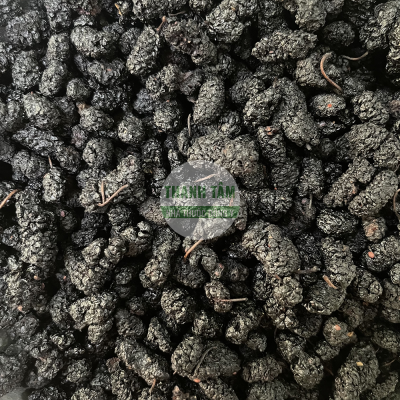
Black Mulberry fruit | Thanh Tam Herbs
6. Indications and contraindications
Traditional indications
- Weakness, dizziness, or pale complexion associated with Blood deficiency patterns
- Premature graying or dry hair associated with deficiency patterns
- General fatigue or convalescence
- Mild constipation related to dryness or insufficient body fluids
- Older adults seeking gentle nutritional and herbal support
Contraindications and precautions
- People with diarrhea, loose stools, or Spleen-Stomach Cold deficiency should use it cautiously.
- Avoid consuming large amounts over a short period, particularly in concentrated forms.
- People who frequently experience abdominal coldness or digestive discomfort may need a smaller amount.
- Those with diabetes or other conditions requiring blood-glucose management should account for the natural sugars in the fruit and avoid heavily sweetened preparations.
- Consult a healthcare professional or Herb doctor before prolonged medicinal use, especially during pregnancy, breastfeeding, or when taking regular medication.
7. Differences between yellow and black Mulberry fruit
Mulberries occur in several colors. In traditional Vietnamese herbal use, yellow and dark purple-black fruits are sometimes differentiated by taste and preferred use:
- Yellow mulberry: The ripe fruit is pale yellow with a lighter Sweet taste. It is traditionally used more for supporting body fluids, easing dryness, and promoting digestive comfort.
- Black mulberry (Hei Shen): The ripe fruit is deep purple to black and usually has a richer flavor. In traditional practice, this type is more commonly selected for nourishing Blood and Kidney Yin and for formulas associated with premature graying or weakness.
These distinctions reflect traditional use and should not be understood as proof that one color has stronger medical effects.
8. Reference herbal combinations with Tang thầm
- For nourishing Blood: Mulberry fruit + Dang Gui.
- For nourishing Yin and supporting body fluids: Mulberry fruit + Mai Men Dong.
- For traditional hair-support formulas: Mulberry fruit + prepared He Shou Wu + Nu Zhen Zi + Prepared Rehmannia root + Niu Xi.
- For moistening the intestines and supporting bowel regularity: Tang thầm + Black goji berry.
These combinations are for traditional reference only. Formula selection should be individualized by a qualified Herb doctor.
9. Frequently asked questions
Can Mulberry fruit be used every day?
It may be eaten in moderate amounts as food, but medicinal daily use is not suitable for everyone. People with loose stools, sensitive digestion, or blood-glucose concerns should be more cautious.
Does Mulberry fruit raise blood sugar?
Mulberries contain natural sugars, so portion size still matters. Fresh or unsweetened dried fruit may fit into many diets, but concentrated syrups and sweetened products can contain substantially more sugar.
Is fresh or dried Mulberry fruit better?
Both forms can be used. Fresh fruit is suitable as food, while dried fruit is easier to store, measure, combine with other herbs, and use in traditional decoctions.
👉 Visit Thanh Tam Herbs – a trusted Herbal pharmacy offering carefully sourced TCM herbs and professional guidance.
Nguồn tham khảo
- Dược điển Việt Nam.
- Lương y Hy Lãn Hoàng Văn Vinh, Cây thuốc vị thuốc Đông y, Nhà xuất bản Hà Nội, 2001.
- Tài liệu, hướng dẫn và thông tin chuyên ngành từ Bộ Y tế.
Rate this article
How useful was this article?
Tác giả bài viết