Cogon grass rhizome | Traditional Herbal Medicines
🌿 Cogon grass rhizome – A TCM herb for cooling the blood, supporting hemostasis, and promoting urination
Cogon grass rhizome, also known as Bai Mao Gen, is a Sweet, Cold TCM herb traditionally used to cool the blood, support the control of bleeding, clear heat, and promote urination. It is generally considered more suitable for blood-heat or damp-heat patterns.
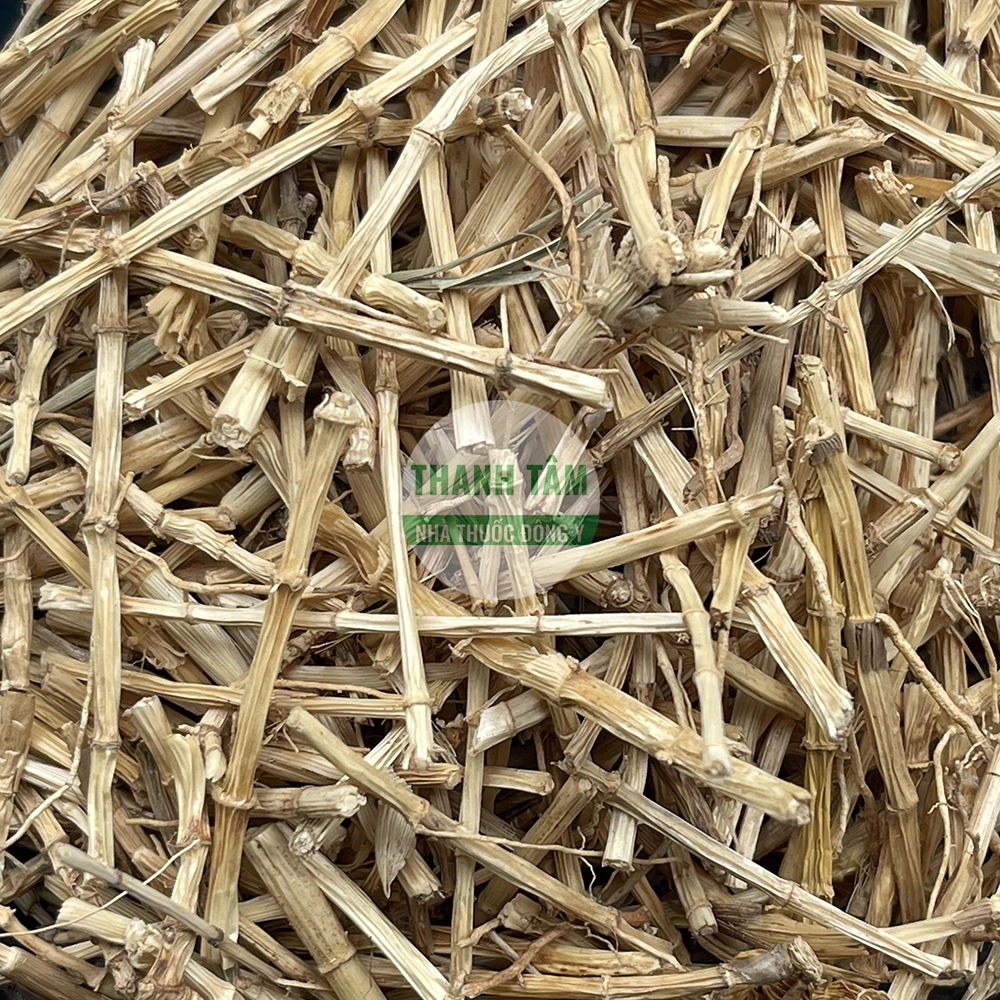
Cogon grass rhizome – a TCM herb for cooling the blood and supporting hemostasis
- Scientific name / Pinyin / Chinese: Rhizoma Imperatae cylindricae / Bai Mao Gen / 白茅根
- Flavors, Nature – Meridian: Sweet, Cold – Lung, Stomach, and Bladder Meridians
- Main benefits: Cools the blood, supports hemostasis, relieves heat-related thirst, promotes urination, and helps ease painful or reduced urination according to TCM.
- Reference dosage: 9–30 g of dried herb per day; 30–60 g per day when fresh.
1. Origin and description
Cogon grass rhizome is the dried underground stem of Imperata cylindrica (L.) P. Beauv., a perennial plant in the grass family (Poaceae). Cogon grass grows widely on open land, roadsides, and low hills throughout Vietnam. It has narrow leaves and silvery-white flower heads. The medicinal portion is the creeping underground rhizome.
The rhizome is cylindrical, ivory-white to pale yellow, with many nodes and fine longitudinal wrinkles. It is tough but breaks more easily at the nodes. The broken surface is fibrous, and the taste becomes mildly Sweet. Good material should be dry, clean, and free from mold, insects, and unusual odors.
2. Related names of Cogon grass rhizome
Other names: Bai Mao Gen, cogon grass root, alang-alang rhizome, Mao Gen, Ru Gen, and Ty Mao Can.
Scientific name: Rhizoma Imperatae cylindricae.
Pinyin name: Bai Mao Gen.
Chinese name: 白茅根.
Although often called cogon grass root, the medicinal part is technically a rhizome. Do not collect it from polluted ground, chemically treated roadsides, or areas where the species cannot be identified confidently.
3. Flavors, Nature – Meridian
In TCM, the herb has a Sweet Flavor and a Cold Nature. The Sweet quality is traditionally associated with generating fluids and easing thirst, while the Cold Nature helps clear heat and cool the blood.
It enters the Lung, Stomach, and Bladder Meridians and is often considered when heat causes thirst, restlessness, bleeding, reduced urination, or painful urination.
People who frequently experience abdominal coldness, loose stools, cold limbs, or clear and frequent urination should use it cautiously.
4. Benefits of Cogon grass rhizome in TCM
Its principal TCM actions are cooling the blood, stopping bleeding, clearing heat, and promoting urination. In simple language, the herb may help calm internal heat, support the control of bleeding associated with blood heat, relieve thirst, and increase urinary flow.
It is traditionally included in formulas for nosebleeds, coughing up blood, vomiting blood, or blood in the urine caused by blood heat. It may also be used for fever with thirst, jaundice, mild edema, reduced urination, or painful urination caused by damp heat.
Preclinical research has examined several plant compounds and reported anti-inflammatory or antioxidant activity. These findings do not prove that the herb cures kidney disease, urinary infection, or bleeding disorders, which require proper diagnosis.
5. How to use and dosage
Cogon grass rhizome is most commonly prepared as a decoction. A reference dosage is 9–30 g dried per day, or 30–60 g fresh under professional guidance.
- Decoction: Rinse the herb briefly, cut it into shorter sections, simmer it in water, and divide the liquid into the recommended servings.
- Fresh use: Wash away all soil, cut the rhizome into small pieces, and prepare it as a decoction or pressed juice according to a suitable prescription.
- Charred preparation: Mao Gen Tan is processed by charring the material while preserving its structure. In TCM, this form is considered more focused on supporting hemostasis.
- Herbal combinations: It may be paired with rehmannia root, arborvitae leaf, small thistle, plantain seed, gold coin grass, or corn silk.
Do not drink the decoction instead of water. Unexplained bleeding, blood in the urine, edema, or painful urination requires medical evaluation.
6. Indications and contraindications
Indications
According to TCM, the herb may be used for nosebleeds, vomiting blood, coughing up blood, or blood in the urine caused by blood heat. Other traditional indications include fever with thirst and restlessness, jaundice, edema, reduced urination, difficult urination, or painful urination associated with damp heat.
Contraindications
People without excess heat, or those with deficiency-cold, frequent abdominal coldness, diarrhea, cold hands and feet, or excessive clear urination, should use it cautiously. Pregnant women should take it only under professional guidance.
People using anticoagulants, diuretics, or medicines for kidney disease should consult a doctor or Herb doctor before combining them with this herb. Stop use if digestive discomfort, rash, unusual weakness, or another adverse reaction occurs.
Seek urgent care for heavy bleeding, dizziness or fainting, clearly red urine, high fever, severe flank pain, reduced consciousness, or rapidly worsening symptoms.
7. Reference herbal combinations with Bạch mao căn
- Nosebleeds caused by blood heat: Bạch mao căn may be combined with rehmannia root and arborvitae leaf.
- Painful or frequent urination: It may be paired with plantain seed, corn silk, and gold coin grass.
- Blood in the urine with a heat pattern: It may be combined with small thistle, large thistle, and lotus rhizome node.
- High fever and thirst: Fresh Bạch mao căn may be combined with reed root and bamboo leaf.
These combinations are general references. Dosage and herb selection should reflect the person’s constitution and complete TCM pattern.
8. Frequently asked questions
- Is Cogon grass rhizome the same as cogon grass root?
The two names are often used interchangeably, but the medicinal part is technically the underground rhizome rather than a true root. - Can it help stop bleeding?
In TCM, it supports hemostasis when bleeding is associated with blood heat. Heavy, recurrent, or unexplained bleeding requires immediate medical assessment. - Can cogon grass water be taken every day?
Strong or long-term daily use is not recommended, especially for people with a cold constitution, low blood pressure, frequent urination, or diuretic use. - Can it treat a urinary tract infection?
The herb may support painful or reduced urination in a suitable TCM pattern, but it does not replace antibiotics when a bacterial infection is present. - How can good-quality material be identified?
Choose ivory-white or pale-yellow rhizomes with visible nodes, a clean dry texture, no mold, no unusual odor, little soil, and a traceable source.
👉 Thanh Tam Herbs – A trusted Herbal pharmacy for carefully selected medicinal herbs
Nguồn tham khảo
- Dược điển Việt Nam.
- Lương y Hy Lãn Hoàng Văn Vinh, Cây thuốc vị thuốc Đông y, Nhà xuất bản Hà Nội, 2001.
- Tài liệu, hướng dẫn và thông tin chuyên ngành từ Bộ Y tế.
Rate this article
How useful was this article?
Tác giả bài viết