Passionflower | Traditional Herbal Medicines
🌿 Passionflower – A calming TCM herb that supports restful sleep
Passionflower is a familiar folk herb often used to relax the nervous system, support better sleep, ease mild palpitations, and clear heat. In TCM, this herb is more suitable for people who have difficulty falling asleep, wake easily, dream often, or feel restless and tense from daily stress.
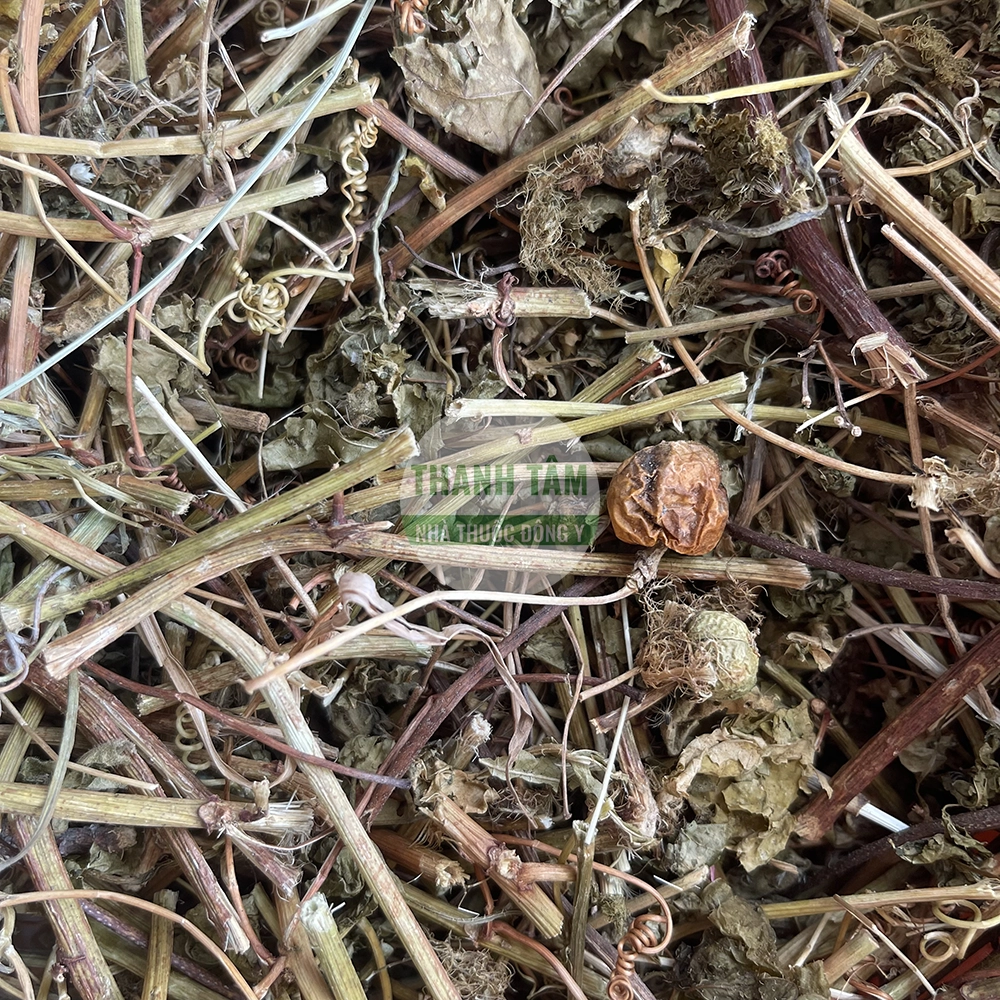
Passionflower – calming herb that supports restful sleep
- Scientific name / Pinyin / Chinese: Passiflora foetida L. / Mao Xi Fan Lian / 毛西番莲
- Flavors, Nature – Meridian: Sweet, slightly Bitter, Cool Nature – commonly enters the Heart and Liver Meridians
- Main benefits: Helps calm the mind, supports deeper and more natural sleep, eases restlessness and mild palpitations, clears heat, supports mild urination, and may help soothe itchy skin in traditional folk use.
- Reference dosage: 12–20 g/day of dried herb; some references use 20–40 g/day as a decoction depending on body constitution.
1. Origin and description
Passionflower is the dried stem, leaf, and young shoot of the plant, belonging to the passionflower family (Passifloraceae). It commonly grows wild along fences, bushes, roadsides, empty land, and other sunny areas.
The plant is a soft climbing vine with tendrils. Its stems and leaves are often covered with fine hairs. The flowers usually grow singly and are white with a light purple tone. The fruit is oval or nearly round, turning yellow-orange when ripe. Around the fruit are net-like bracts that look like a small covering, which is why one Vietnamese folk name is “Dây nhãn lồng”.
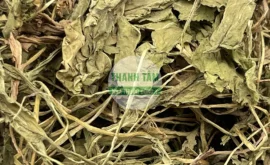
The dried herb usually contains small stem pieces, leaves, and tendrils, with a greenish brown to yellowish brown color. It has a mild odor and a light, slightly astringent taste. Good quality material should be clean, naturally colored, properly dried, free from mold or moisture, and not mixed with excessive grass or foreign matter.
2. Related names of Passionflower
Other names: Nhãn lồng, Chùm bao, Dây nhãn lồng, Dây chùm bao, Long châu quả.
Scientific herbal name: Passiflora foetida L. Pinyin name: Mao Xi Fan Lian. Chinese name: 毛西番莲.
Common names may vary by region. This herb should be distinguished from edible passion fruit and other species in the Passiflora genus, because the medicinal part, traditional use, and strength of action may not be the same.
3. Flavors, Nature – Meridian
In TCM, Passionflower has a Sweet, slightly Bitter flavor and a Cool Nature. The Sweet flavor helps soften and relax the body, while the slightly Bitter flavor helps clear heat and reduce irritability. Its Cool Nature makes it suitable for patterns with heat signs, inner restlessness, difficulty sleeping, or a feeling of being unable to settle down.
The herb commonly enters the Heart and Liver Meridians. The Heart is related to the spirit, sleep, and palpitations. The Liver is related to emotional tension, constraint, and the smooth flow of qi. For this reason, the herb is often included in calming formulas for sleep support, restlessness, and tension-related discomfort.
4. Benefits of Passionflower in TCM
Passionflower is best known for its gentle calming effect. In simple words, it helps the body “slow down,” relax more easily, and move toward natural sleep. It is not considered a strong sleeping pill, so it is more suitable for mild sleep difficulty, light sleep, or sleep affected by stress and heat.
Common traditional benefits include nourishing the Heart, calming the spirit, supporting better sleep, easing mild palpitations, clearing heat, promoting mild urination, and supporting skin comfort in folk practice. Fresh leaves may sometimes be crushed and applied externally for mild itching, but the skin should be cleaned first and this use should be avoided on open wounds.
5. How to use and dosage
Passionflower is commonly used as a decoction, herbal tea, or as part of a multi-herb formula. A common reference dosage is 12–20 g of dried herb per day. Some traditional experience uses 20–40 g/day depending on the purpose, constitution, and formula.
- Decoction: Boil with water, divide into servings, and usually take in the late afternoon or before bedtime.
- Herbal tea: Steep the dried herb in hot water and drink warm, suitable for people who need light relaxation.
- Soup or vegetable use: Young shoots may be cooked as a vegetable in folk practice.
- Combination: Often used with lotus plumule, Lá vông nem, Bình vôi, Suan Zao Ren, or Yuan Zhi.
Do not increase the dose on your own or combine it with several calming products without professional advice.
6. Indications and contraindications
Indications
This herb is traditionally used for sleeplessness, light sleep, frequent dreams, mild palpitations, restlessness, nervous weakness, heat signs, reduced urination, and some mild itchy skin conditions in folk experience.
Contraindications
People with low blood pressure, a very Cold constitution, long-term diarrhea, or those taking sedatives, sleeping pills, anti-anxiety medicine, or neurological medication should be cautious. Pregnant women, breastfeeding mothers, young children, and people with chronic illness should ask a Herb doctor or healthcare professional before use.
7. Reference herbal combinations with Lạc tiên
- Difficulty sleeping or shallow sleep: Passionflower + Lá vông nem + lotus plumule.
- Palpitations, restlessness, and Heart irritability: Passionflower + Suan Zao Ren + Yuan Zhi.
- Sleeplessness with heat signs: Passionflower + lotus plumule + Cam thảo đất.
- Long-term fatigue and stress: Passionflower + Bình vôi + Lá vông nem.
These combinations are for reference only and do not replace a prescription from a Herb doctor.
8. Frequently asked questions
- Is Passionflower a sleeping pill?
No. It is a gentle calming herb that supports relaxation and better sleep, but it does not replace treatment for severe or long-term insomnia. - Can it be taken every day?
It may be used short term when sleep support is needed, but it should not be overused or taken long term without identifying the cause of insomnia. - When is the best time to take it?
It is often taken in the late afternoon or before bedtime. People who easily become sleepy should avoid taking it before driving or tasks that require alertness. - How can good material be recognized?
Choose clean, naturally colored, well-dried material with no mold, no moisture, and a clear source.
👉 Thanh Tam Herbs – Trusted Herbal pharmacy for authentic TCM herbs
Nguồn tham khảo
- Dược điển Việt Nam.
- Lương y Hy Lãn Hoàng Văn Vinh, Cây thuốc vị thuốc Đông y, Nhà xuất bản Hà Nội, 2001.
- Tài liệu, hướng dẫn và thông tin chuyên ngành từ Bộ Y tế.
Rate this article
How useful was this article?
Tác giả bài viết