Reishi Mushroom | Traditional Herbal Medicines
🌿 Reishi Mushroom – A TCM Herb Traditionally Used to Support Vitality and Overall Well-Being
Reishi mushroom has long been regarded as a valuable herb in TCM, traditionally associated with nourishing the body, supporting vitality, calming the mind, and promoting general well-being. Today, it is also used in teas, extracts, powders, and health-support products, especially by people seeking general tonic support.
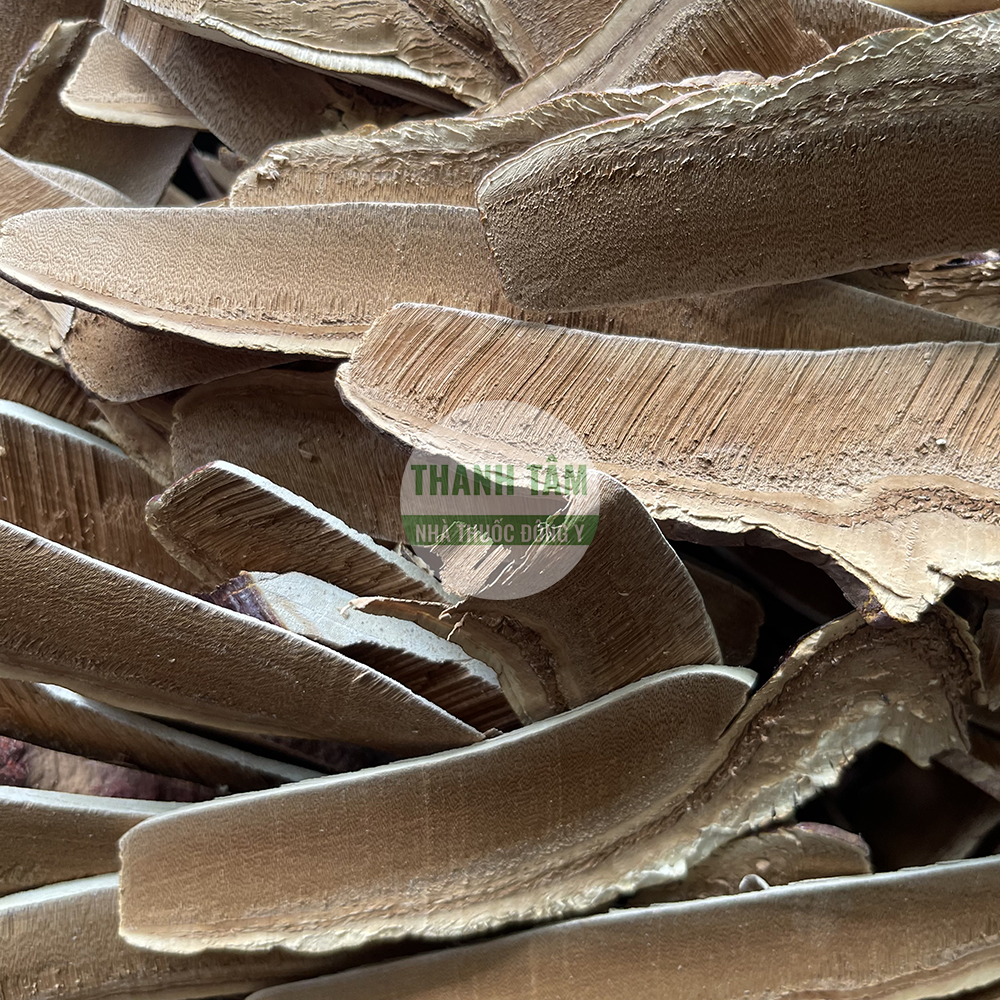
Reishi mushroom – a traditional tonic herb in TCM
- Scientific name / Pinyin / Chinese: Ganoderma lucidum / Ling Zhi / 靈芝
- Flavors, Nature – Meridian: Bitter; neutral Nature – enters the Heart, Liver, Lung, and Kidney Meridians
- Main benefits: Traditionally used to nourish the body, calm the mind, support restful sleep, and help maintain general resilience
- Reference dosage: 6–15 g per day, or as directed by a qualified Herb doctor
1. Origin and description
Reishi mushroom is the fruiting body of Ganoderma lucidum, a fungus in the Ganodermataceae family. In nature, related Ganoderma species grow on aging or decaying hardwood in humid forest environments. Ling Zhi has been described in traditional Chinese materia medica for centuries and has long held an important place in East Asian herbal culture.
The mushroom has a fan-shaped or kidney-shaped cap with a smooth, glossy surface, usually reddish brown to dark brown. Its stalk is firm and woody, and the dried mushroom has a mild aroma with a characteristically Bitter taste.
Today, Reishi is widely cultivated under controlled conditions. After harvesting, the fruiting bodies are cleaned and dried before being sliced or processed. Good-quality material should be dry, naturally colored, and free from mold or unusual odors.
2. Related names of Reishi mushroom
Other names: Ling Zhi, Lingzhi mushroom, red Reishi, longevity mushroom, and Tiên thảo.
Scientific name: Ganoderma lucidum.
Pinyin name: Ling Zhi.
Chinese name: 靈芝 / 灵芝.
In TCM culture, Ling Zhi has traditionally symbolized vitality, longevity, and spiritual well-being. It is commonly used in tonic formulas for people who feel weak, tired, or depleted, although its traditional reputation should not be interpreted as proof that it can prevent disease or extend lifespan.
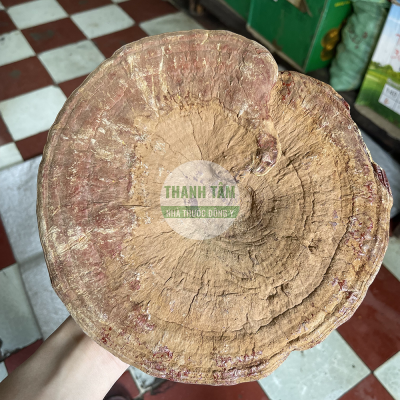
Korean Reishi mushroom front view | Thanh Tam Herbs
3. Flavors, Nature – Meridian
Reishi mushroom is traditionally described as Bitter with a neutral Nature. In TCM theory, the Bitter flavor is associated with clearing, directing downward, and helping regulate internal functions. Its neutral Nature means it is not strongly classified as either Hot or Cold, which is one reason it appears in a variety of tonic formulas.
The herb is traditionally associated with the Heart, Liver, Lung, and Kidney Meridians. Its relationship with the Heart is linked with calming the Shen, or spirit, and supporting restful sleep. The Lung connection is associated with supporting Qi and breathing comfort, while its Liver and Kidney associations reflect broader traditional concepts of nourishment and constitutional support.
These Meridian descriptions belong to the theoretical framework of TCM and are not direct claims about modern organ function.
4. Benefits of Reishi mushroom in TCM
Reishi mushroom is traditionally valued for its broad tonic role. Common TCM applications include:
- Supporting vitality: Traditionally used for people who feel weak, tired, or depleted after illness or prolonged stress.
- Calming the mind: Included in formulas intended to support relaxation and improve sleep quality.
- Supporting resilience: Used as a tonic to help maintain overall strength and the body’s ability to cope with daily demands.
- Supporting respiratory comfort: Traditionally used in some formulas for mild cough, shortness of breath, or weakness associated with Lung Qi deficiency.
- Promoting general balance: Commonly included in wellness formulas aimed at supporting long-term physical and mental well-being.
Modern research has investigated Reishi for several health-related effects, but it should not be presented as a proven treatment for serious disease.
5. How to use and dosage
Reishi mushroom can be prepared in several traditional and modern forms:
- Decoction: Use approximately 6–15 g of dried sliced mushroom and simmer in water. The liquid may be divided into several servings during the day.
- Herbal tea: Thin slices can be steeped or gently simmered in hot water for a lighter preparation.
- Herbal beverage: It may be combined with Red dates or licorice according to traditional practice.
- Extract or powder: Follow the product label and the guidance of a qualified Herb doctor or healthcare professional.
The appropriate dose and duration depend on the product, individual health status, and other medicines or supplements being taken.
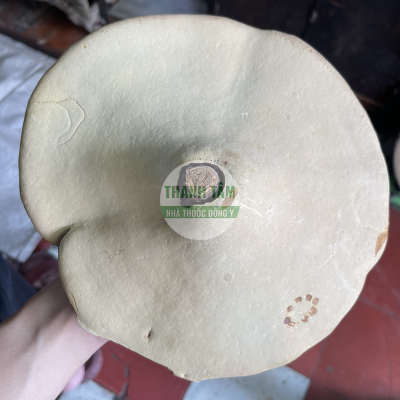
Korean Reishi mushroom back view | Thanh Tam Herbs
6. Indications and contraindications
Traditional indications
- General weakness or prolonged fatigue
- Restless sleep or frequent waking
- Low stamina after illness or stress
- Older adults seeking general tonic support
- People experiencing prolonged physical or mental strain
Contraindications and precautions
- People with severe digestive upset should seek professional advice before use.
- Avoid suddenly taking very high doses.
- Pregnant or breastfeeding women should consult a healthcare professional before use.
- People with known mushroom allergies or highly sensitive constitutions should start cautiously and discontinue use if an adverse reaction occurs.
- Anyone taking anticoagulant, antiplatelet, blood-pressure, blood-sugar, or immunosuppressive medication should ask a healthcare professional before regular use.
- Stop use and seek medical advice if unusual bleeding, rash, dizziness, or persistent digestive symptoms occur.
7. Reference herbal combinations with Linh chi
- For traditional vitality support: Reishi mushroom + Ren Shen (ginseng).
- For calming the mind and supporting sleep: Ling zhi + red dates.
- For traditional respiratory support: Reishi mushroom + Mai Men Dong.
- For fatigue associated with weakness: Linh chi + licorice.
These combinations are for traditional reference only. A qualified Herb doctor should determine whether a formula is appropriate for the individual.
8. Frequently asked questions
Can Reishi mushroom be used every day?
Some people use Reishi regularly in tea or supplement form, but daily use is not suitable for everyone. The dose, product quality, treatment duration, and individual health conditions should be considered before long-term use.
How long does it take to notice an effect?
There is no fixed timeline. Traditional tonic herbs are not expected to create an immediate effect, and individual responses vary. If symptoms such as persistent fatigue or sleep problems continue, medical assessment may be more appropriate than relying only on herbal products.
Does Reishi mushroom cause internal heat?
In TCM, Reishi is generally classified as neutral rather than Hot or Cold. However, individual reactions may differ, and digestive discomfort or other unwanted effects can still occur.
👉 Visit Thanh Tam Herbs – a trusted Herbal pharmacy offering carefully sourced TCM herbs and professional guidance.
Nguồn tham khảo
- Dược điển Việt Nam.
- Lương y Hy Lãn Hoàng Văn Vinh, Cây thuốc vị thuốc Đông y, Nhà xuất bản Hà Nội, 2001.
- Tài liệu, hướng dẫn và thông tin chuyên ngành từ Bộ Y tế.
Rate this article
How useful was this article?
Tác giả bài viết