Common Selfheal | Traditional Herbal Medicines
🌿 Common Selfheal – A TCM Herb for Clearing Heat, Dissipating Nodules, and Supporting the Liver
Common Selfheal, known in TCM as Xia Ku Cao, is the dried fruiting spike of Prunella vulgaris. It is traditionally used to clear Liver heat, ease heat-related discomfort, and soften or dissipate certain accumulations. It may appear in formulas for red eyes, headaches, or neck swelling, but it does not replace medical treatment.
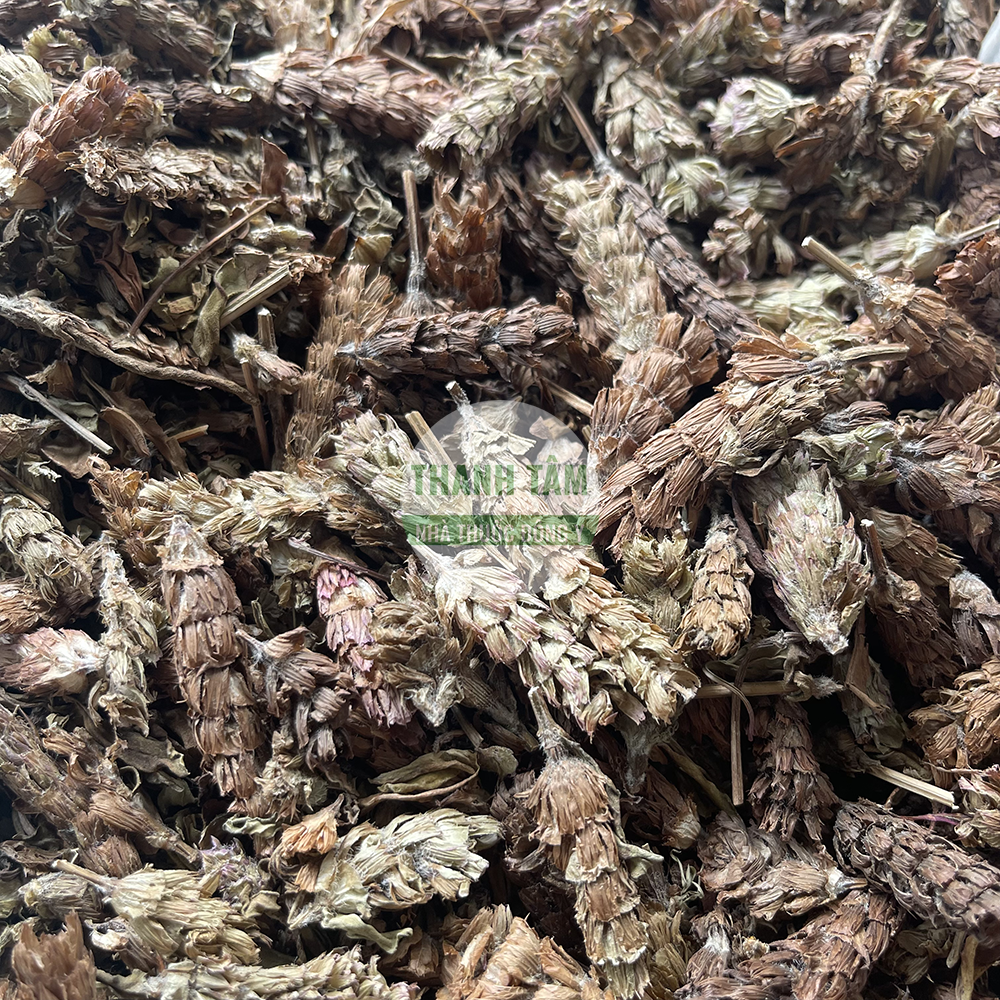
Common Selfheal – a TCM herb for clearing heat and dissipating nodules
- Scientific name / Pinyin / Chinese: Prunella vulgaris / Xia Ku Cao / 夏枯草
- Flavors, Nature – Meridian: Bitter and Pungent, Cold – enters the Liver and Gallbladder meridians
- Main benefits: Traditionally used to clear Liver heat, calm rising Liver Yang, ease red or irritated eyes, and soften certain swellings or nodules.
- Reference dosage: 6–15 g of dried herb daily in a decoction, adjusted by a qualified Herb doctor.
1. Origin and description
Common Selfheal is obtained from Prunella vulgaris L., a perennial herb in the mint family, Lamiaceae. The plant grows wild or is cultivated in temperate and subtropical regions.
It is a low-growing plant with square stems, opposite leaves, and compact flower spikes. The small flowers are usually violet, purple, or pale lilac. Its fruiting spikes gradually turn brown and dry during summer.
For TCM use, the mature fruiting spikes are collected, cleaned, and dried. Good-quality material should have recognizable brown-purple spikes, a dry texture, a mild natural odor, and no mold, insects, or excessive dust.
2. Related names of Common Selfheal
Other names: Common self-heal, self-heal, heal-all, all-heal, Xia Ku Cao, Hạ khô thảo, Hạ cô thảo, Tán kết thảo, and Thiết tuyến thảo.
Scientific name: Prunella vulgaris L.
Pinyin name: Xia Ku Cao.
Chinese name: 夏枯草.
The English name “Common Selfheal” refers to the plant species, while the TCM medicinal material is mainly the dried fruiting spike. Unrelated plants with similar names should not be substituted.
3. Flavors, Nature – Meridian
According to TCM, the herb has Bitter and Pungent flavors and a Cold nature. It mainly enters the Liver and Gallbladder meridians.
Its Bitter and Cold qualities are associated with clearing heat, while its Pungent quality relates to dispersing constraint and softening accumulations. It may be selected when heat rises toward the head and eyes or contributes to localized swelling.
Because it is Cold, it is not automatically suitable for people with weak or cold digestion, frequent loose stools, or abdominal discomfort after consuming cooling foods.
4. Benefits of Common Selfheal in TCM
- Clearing Liver heat: It may be included in formulas for headache, irritability, a bitter taste, or red and uncomfortable eyes associated with Liver heat.
- Calming rising Liver Yang: Traditional formulas may use it for dizziness or headache when the diagnosed pattern involves upward Liver Yang.
- Dissipating nodules and swelling: It is traditionally combined with other herbs for neck swelling, enlarged lymph nodes, or palpable lumps. Any new or changing lump requires medical evaluation.
- Supporting eye comfort: The herb may appear in formulas for red, dry, swollen, or painful eyes caused by a heat pattern. Sudden vision changes need urgent care.
- Supporting healthy blood pressure management: It is sometimes used as an adjunct in traditional formulas, but it is not a substitute for prescribed blood-pressure medicine.
The plant contains phenolic compounds, flavonoids, and triterpenes. Evidence does not show that it independently treats hypertension, thyroid disease, cancer, or liver disease.
5. How to use and dosage
A commonly referenced dosage is 6–15 g of dried medicinal material per day. The amount should be adjusted to the formula, constitution, and current medicines.
- Decoction: Rinse briefly and simmer with water, either alone or with other herbs included in a professional prescription.
- Herbal infusion: A small amount may be infused in hot water for short-term use. Do not drink concentrated preparations throughout the day without guidance.
- Herbal combinations: It is often paired with chrysanthemum flowers, cassia seeds, oyster shell, kelp, or other herbs according to the diagnosed pattern.
- Short courses: Because the herb is Cold, continuous long-term use is generally avoided unless monitored by a qualified practitioner.
Do not use damp, moldy, discolored, or artificially scented material. Herbal tea should not replace water or prescribed medicines.
6. Indications and contraindications
Indications
Based on TCM pattern differentiation, Common Selfheal may be considered for Liver-fire headache, dizziness, red eyes, a bitter taste, irritability, selected neck swellings, and certain phlegm-heat accumulations.
Persistent headache, dizziness, an enlarging neck mass, thyroid symptoms, or high blood pressure should be medically assessed.
Contraindications and precautions
People with a Cold constitution, poor appetite, abdominal coldness, chronic diarrhea, or low blood pressure should use the herb cautiously. Pregnant or breastfeeding women, children, and people taking medicines should consult a doctor or qualified Herb doctor.
Use extra caution with blood-pressure medicines, diuretics, or several cooling herbs. Stop use if dizziness, unusual weakness, diarrhea, abdominal pain, rash, swelling, or breathing difficulty occurs.
7. Reference herbal combinations with Hạ khô thảo
- Liver heat with headache or red eyes: Hạ khô thảo may be combined with chrysanthemum flowers and cassia seeds under professional guidance.
- Neck swelling or phlegm-heat nodules: Traditional formulas may pair it with oyster shell, kelp, or seaweed after medical evaluation.
- Heat-related dizziness with elevated blood pressure: It may be combined with cassia seeds, hawthorn fruit, or other herbs according to the diagnosed pattern.
- Liver and Gallbladder damp-heat: Some formulas combine it with capillary artemisia or other heat-clearing herbs.
- A light cooling infusion: A small amount may be prepared for short-term use, not as a continuous daily beverage.
These combinations are educational references, not universal prescriptions.
8. Frequently asked questions
- Can Common Selfheal be consumed every day?
Long-term use is not recommended without supervision, especially with cold digestion or low blood pressure. - Can the herb lower blood pressure?
It may appear in traditional formulas but cannot replace prescribed treatment or blood-pressure monitoring. - Can it treat thyroid nodules?
No herbal tea is a cure. A thyroid or neck lump requires examination and appropriate imaging. - Can it cause abdominal coldness or diarrhea?
Yes. Its Cold nature may aggravate loose stools or digestive discomfort in sensitive users. - Can pregnant women use it?
Use during pregnancy requires approval from a qualified healthcare professional. - How can I identify good-quality material?
Choose dry, recognizable brown-purple fruiting spikes with a mild natural odor, no mold or insects, and transparent sourcing.
👉 Visit Thanh Tam Herbs – a trusted Herbal pharmacy for quality TCM herbs and professional guidance.
Nguồn tham khảo
- Dược điển Việt Nam.
- Lương y Hy Lãn Hoàng Văn Vinh, Cây thuốc vị thuốc Đông y, Nhà xuất bản Hà Nội, 2001.
- Tài liệu, hướng dẫn và thông tin chuyên ngành từ Bộ Y tế.
Rate this article
How useful was this article?
Tác giả bài viết