Monk fruit | Traditional Herbal Medicines
🌿 Monk fruit – A TCM herb for clearing Lung heat, soothing cough, and supporting digestion
Monk fruit, known as Luo Han Guo, is a familiar TCM and folk remedy traditionally used to clear Lung heat, ease cough, soothe the throat, generate fluids, and support bowel regularity. Its intense natural sweetness also makes monk fruit extract a popular sugar substitute, although commercial sweetener products may contain other added ingredients.
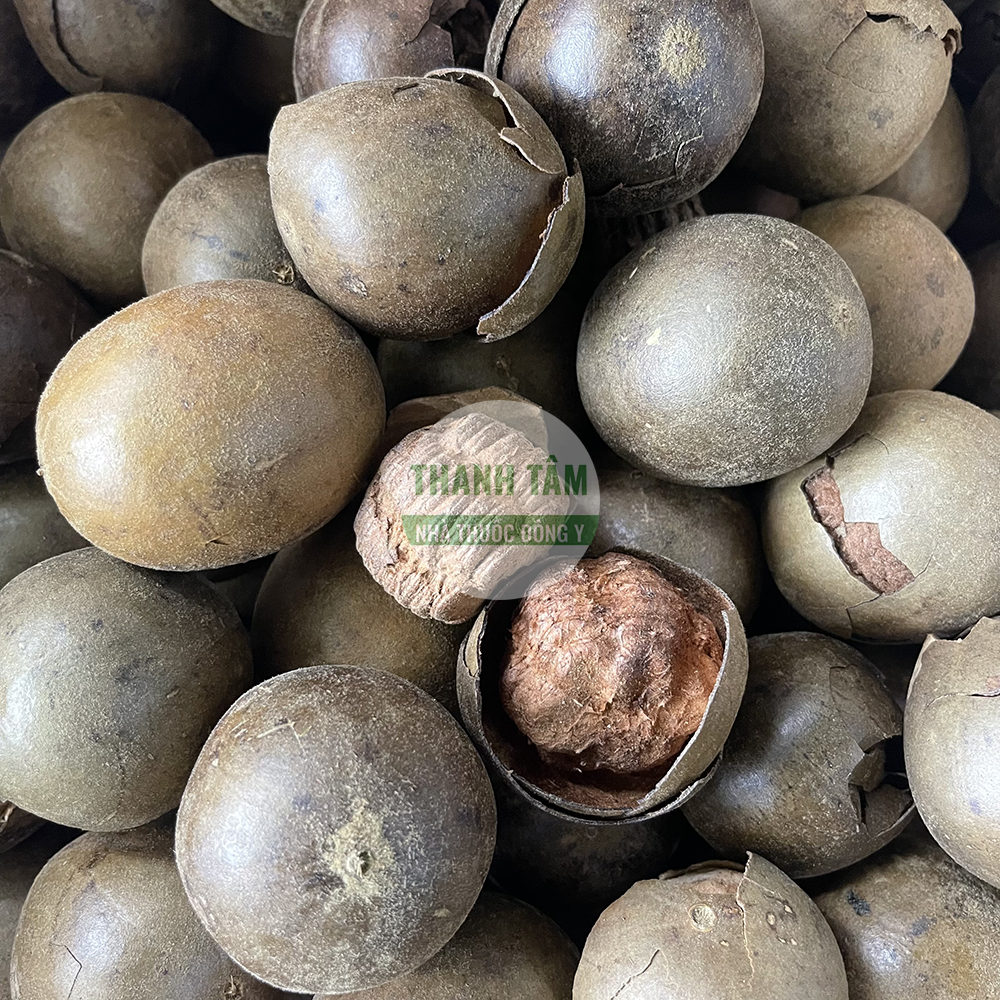
Monk fruit – a TCM herb for clearing Lung heat, soothing cough, and supporting digestion
- Scientific name / Pinyin / Chinese: Fructus Momordicae grosvenorii / Luo Han Guo / 罗汉果
- Flavors, Nature – Meridian: Sweet, Cool – Lung and Large Intestine Meridians
- Main benefits: Clears Lung heat, soothes dry or irritated throat, supports cough relief, generates fluids, and helps ease constipation associated with dryness.
- Reference dosage: Commonly 9–15 g of dried fruit, or about one-half to one fruit, prepared as an infusion or decoction.
1. Origin and description
Monk fruit is the dried ripe fruit of Siraitia grosvenorii (Swingle) C. Jeffrey ex A.M. Lu & Zhi Y. Zhang, a climbing plant in the gourd family (Cucurbitaceae). It is native to southern China and is especially associated with Guangxi, where the warm humid climate and mountainous terrain support cultivation.
The fruit is round or slightly oval. When dried, its shell becomes thin and brown, surrounding many flat seeds and intensely Sweet fibrous pulp.
Before use, the fruit is cracked so water can reach the pulp and seeds. Good material should be dry, aromatic, mold-free, and free from sour or burnt odors.
The characteristic sweetness comes largely from mogrosides, especially mogroside V, rather than from ordinary table sugar alone.
2. Related names of Monk fruit
Other names: Luo Han Guo, arhat fruit, longevity fruit, Buddha fruit, La Phật tử, and La hán tiên quả.
Scientific name: Fructus Momordicae grosvenorii.
Pinyin name: Luo Han Guo.
Chinese name: 罗汉果.
The English name is linked to Buddhist monks in southern China. Whole dried fruit differs from concentrated extracts and packaged tabletop sweeteners.
3. Flavors, Nature – Meridian
In TCM, Luo Han Guo has a Sweet Flavor and a Cool Nature. It mainly enters the Lung and Large Intestine Meridians.
Through the Lung Meridian, it clears heat, moistens dryness, eases cough, and soothes hoarseness. Through the Large Intestine Meridian, it supports fluids and bowel movements in dryness patterns.
The herb suits dry or hot patterns better than cold cough with abundant thin phlegm. People with abdominal coldness or loose stools should use it cautiously.
4. Benefits of Monk fruit in TCM
Luo Han Guo is traditionally valued for clearing Lung heat, soothing the throat, generating fluids, and moistening the intestines.
- Supports cough and throat comfort: It may help soothe dry cough, hoarseness, throat irritation, or cough with difficult-to-expel phlegm when heat or dryness is present.
- Generates fluids: Its Sweet, Cool nature is traditionally used for dry mouth, thirst, and throat dryness.
- Supports bowel regularity: It may be included for mild constipation associated with dryness, especially in older adults or during hot weather.
- Offers intense sweetness: Purified monk fruit extracts are used as high-intensity sweeteners and can reduce the need for added sugar in some foods and drinks.
Mogrosides have shown several biological effects in laboratory and animal studies, but whole dried fruit has not been proven to treat diabetes, infection, obesity, or chronic lung disease.
Persistent cough, fever, shortness of breath, coughing up blood, or unexplained weight loss requires medical evaluation.
5. How to use and dosage
Monk fruit may be prepared alone or with other food-grade herbs.
- Warm infusion: Crack one-half to one dried fruit and steep it in approximately 1–1.5 liters of hot water. Drink the prepared infusion within the day.
- Decoction: Use about 9–15 g of dried fruit with platycodon root, dwarf lilyturf root, or other herbs selected by a Herb doctor.
- Herbal tea: Combine a small amount with chrysanthemum flower or red goji berry for a mild beverage.
- Food and drinks: Purified extract may be used to sweeten beverages, but the product label should be checked for added sugar, dextrose, erythritol, or other ingredients.
One-half to one dried fruit is usually sufficient for a household infusion because the sweetness is strong. Excessive intake may cause abdominal discomfort or loose stools in sensitive people.
6. Indications and contraindications
Indications
In TCM, Luo Han Guo may be considered for dry cough, hoarseness, sore or irritated throat, dry mouth, thirst, and mild constipation caused by heat or dryness. It is also used as a flavoring and sweetening ingredient.
Contraindications
People with Spleen deficiency-cold, frequent diarrhea, abdominal coldness, or a cough with abundant thin white phlegm should avoid large amounts.
Anyone allergic to plants in the gourd family should use caution. Pregnant or breastfeeding people, young children, and those taking long-term medicines should seek professional advice before medicinal use.
People with diabetes should check the full ingredient list because packaged products may contain carbohydrates or other sweeteners.
7. Reference herbal combinations with La hán quả
- Cough and sore throat: La hán quả may be combined with platycodon root and licorice root under professional guidance.
- Lung heat and throat dryness: It may be paired with chrysanthemum flower and red goji berry.
- Cooling herbal drink: La hán quả may be combined with corn silk and plantain leaf when the overall pattern is appropriate.
- Voice support: A mild infusion may be combined with honey for adults who are not allergic and do not need to avoid sugar.
These combinations are references only. Honey should never be given to infants under 12 months.
8. Frequently asked questions
- Can Monk fruit tea be taken every day?
Occasional moderate use may suit many adults, but daily medicinal use is unnecessary. People with loose stools or weak digestion should limit it. - Can people with diabetes use it?
Purified extract contributes little or no sugar, but commercial blends may contain carbohydrates. Check the label and serving size. - Does it harm the Spleen or digestion?
Moderate use is often well tolerated, but its Cool Nature may worsen abdominal coldness or diarrhea in sensitive people. - Can it replace cough medicine?
No. It may soothe the throat, but persistent, severe, or unexplained cough requires medical assessment. - How can good-quality dried fruit be identified?
Choose whole or broken fruit with a dry brown shell, natural Sweet aroma, no mold, no insects, and a traceable source.
👉 Thanh Tam Herbs – A trusted Herbal pharmacy for carefully selected medicinal herbs
Nguồn tham khảo
- Dược điển Việt Nam.
- Lương y Hy Lãn Hoàng Văn Vinh, Cây thuốc vị thuốc Đông y, Nhà xuất bản Hà Nội, 2001.
- Tài liệu, hướng dẫn và thông tin chuyên ngành từ Bộ Y tế.
Rate this article
How useful was this article?
Tác giả bài viết