Double Fifth Festival | Cultural Exchange and Traditional Herbal Wellness
The Double Fifth Festival: Chinese Culture and Traditional Herbal Wellness
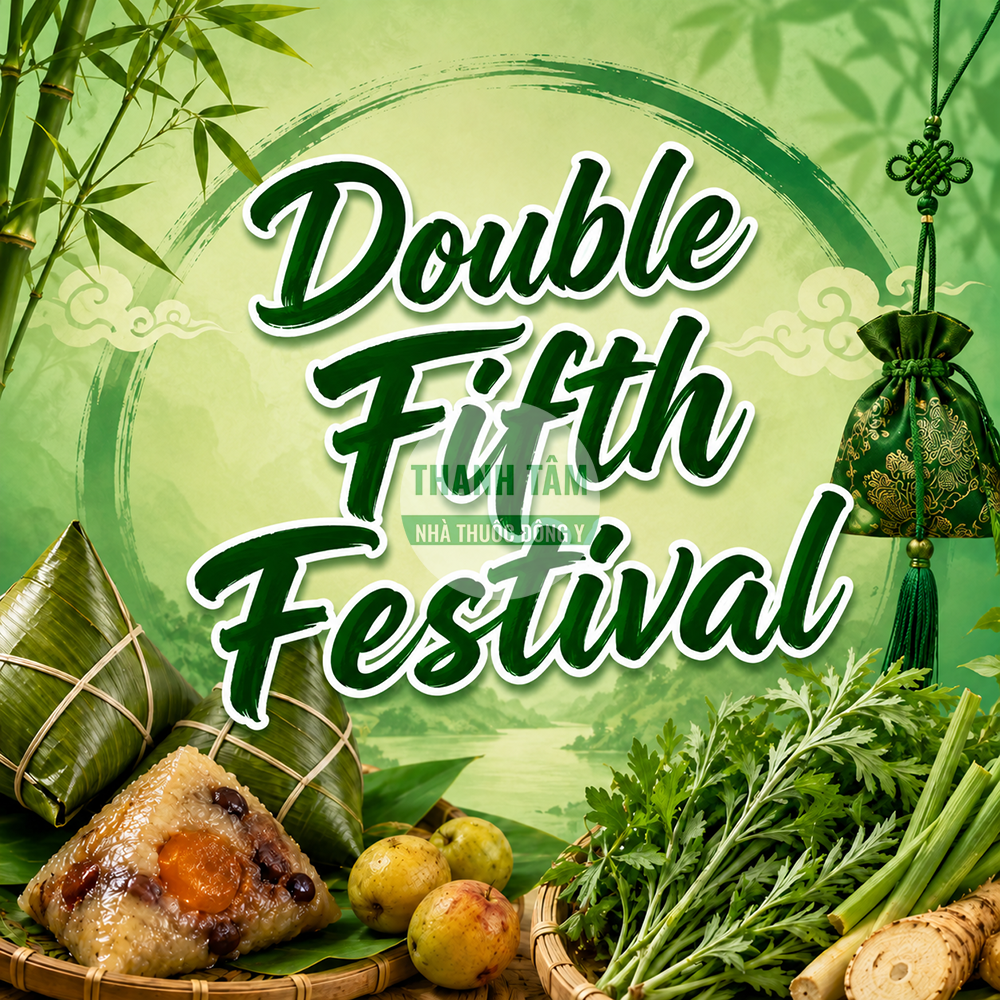
The fifth day of the fifth lunar month is known as “Tết Đoan Ngọ” in Vietnam. Also known in Vietnam as ‘Tết mùng 5 tháng 5’, ‘Tết 5/5’, or ‘Tết diệt sâu bọ’, this festival carries deep cultural meaning across East Asia. For Chinese communities, it is closely connected with Duanwu Festival (端午节 – Duān wǔ Jié), Dragon boat festival, zongzi, mugwort, calamus, herbal sachets, and seasonal wellness practices.
Double Fifth Festival in Chinese culture | Thanh Tam Herbs
What is the fifth day of the fifth lunar month?
The fifth day of the fifth lunar month is known as ‘Tết Đoan Ngọ’ in Vietnamese culture and Dragon Boat Festival in Chinese culture. The word “Đoan” can be understood as the beginning, while “Ngọ” refers to the noon hour, when yang energy is traditionally believed to be at its strongest. Because this day arrives in early summer, a season of heat, humidity, insects, and dampness, many families consider it a time to cleanse the home, adjust daily habits, and use aromatic herbs for protection and balance.
In Vietnam, the day is often associated with fermented sticky rice, ash cake, seasonal fruits, and ancestral offerings. Among Chinese communities, especially families with roots in Cantonese, Fujian, or Chaozhou traditions, ‘Tết Đoan Ngọ’ is closely linked with zongzi (rice dumplings), also known as ‘bánh bá trạng’ or ‘bánh ú’, dragon boat racing, hanging mugwort and calamus, wearing herbal sachets, and preparing fragrant herbs for the home.
Origin of The Double Fifth Festival: Vietnamese or Chinese Festival?
Many people ask whether the Double Fifth Festival is originally a Vietnamese festival or a Chinese festival. The most balanced answer is that it is an East Asian seasonal festival with strong Chinese historical roots and local Vietnamese adaptations.
In Chinese culture, Duanwu Festival is commonly connected with the story of Qu Yuan, a loyal minister and poet of the ancient state of Chu. According to popular legend, after Qu Yuan threw himself into the Miluo River, local people paddled boats to search for him and threw rice into the water. Over time, this story became associated with dragon boat racing and zongzi, the sticky rice dumplings wrapped in leaves.
Comparison of The Double Fifth Festival Customs in Vietnam, China, and Southeast Asia
| Region | Common Name | Foods and Offerings | Typical Customs |
|---|---|---|---|
| Vietnam | ‘Tết Đoan Ngọ’, ‘Tết diệt sâu bọ’ | Fermented sticky rice, ash cake, seasonal fruits, tea, wine, flowers, incense | Offering to ancestors, eating fermented or sour foods, cleaning the home, and caring for health during early summer |
| China and Chinese communities | Duanwu Festival, Double Fifth Festival, Dragon Boat Festival | Zongzi, tea, wine, fruits, incense, and ancestral offerings | Dragon boat racing, hanging mugwort and calamus, wearing herbal sachets, and using aromatic herbs |
| Chinese communities in Southeast Asia | Double Fifth Festival or local Chinese Duanwu celebration | Zongzi, bánh bá trạng, tea, fruits, and family offerings | Maintaining Chinese family traditions, visiting relatives, worshipping ancestors, buying herbal sachets or aromatic herbs |
What should be prepared for The Dragon Boat Festival offerings?
The Dragon Boat Festival offering tray does not need to be complicated. In Vietnamese households, common items include incense, flowers, tea, wine, water, fermented sticky rice, ash cake, and seasonal fruits such as plums, lychees, mangoes, or watermelon. Some families may also prepare sweet soup, sticky rice, or simple savory dishes, depending on regional customs.
For Chinese families, the offering tray on the fifth day of the fifth lunar month often includes zongzi or bánh bá trạng, tea, wine, fruits, incense, candles, and symbolic items for peace and protection. Many households also hang mugwort and calamus near the door, or place herbal sachets inside the home. More important than the size of the offering is sincerity, cleanliness, and respect for ancestors.
Is herbal steaming necessary on The fifth day of the fifth lunar month?
Herbal steaming is not required on 5/5 festival. It is a traditional practice followed by some families, depending on household customs, health condition, and personal preference. From the perspective of Traditional Chinese Medicine and ‘Đông y’, early summer is often associated with heat, dampness, and heavy air. For this reason, aromatic herbs are traditionally used to refresh the living space and support a sense of seasonal balance.
However, herbal steaming should be done carefully. Families with young children, pregnant women, elderly people, or anyone with asthma, fragrance sensitivity, unstable blood pressure, heart disease, or chronic illness should ask a qualified practitioner before steaming. The room should not be too closed, the steam should not be too hot, and the session should be short. Herbal steaming is a wellness practice, not a replacement for medical treatment.
Traditional herbal steaming suggestions for The Double Fifth Festival
1. Chinese-style herbal sachet for Duanwu: Mugwort, patchouli, dried tangerine peel, cinnamon twig, and a small amount of clove can be placed into a clean cloth sachet. It may be hung near the door, desk, wardrobe, or bedside area to create a warm herbal scent.
2. Aromatic room steaming pot: Lemongrass, pomelo peel, perilla leaf, Vietnamese balm, mint, and a few slices of ginger can be simmered gently. Open the lid slightly and allow the fragrance to spread through the room after rain or during humid weather.
3. Short herbal body steam: Patchouli, perilla, Vietnamese balm, mint, lemongrass, and dried tangerine peel may be boiled with clean water. Let the steam cool to a comfortable level before use. Avoid long steaming sessions, and do not use this method as a treatment for illness.
4. Duanwu door-hanging herbal bundle: Mugwort and calamus are familiar herbs in Chinese Duanwu customs. They may be tied together and hung near the door for fragrance and symbolic protection. Calamus should not be taken internally without professional guidance.
Thanh Tam Herbs
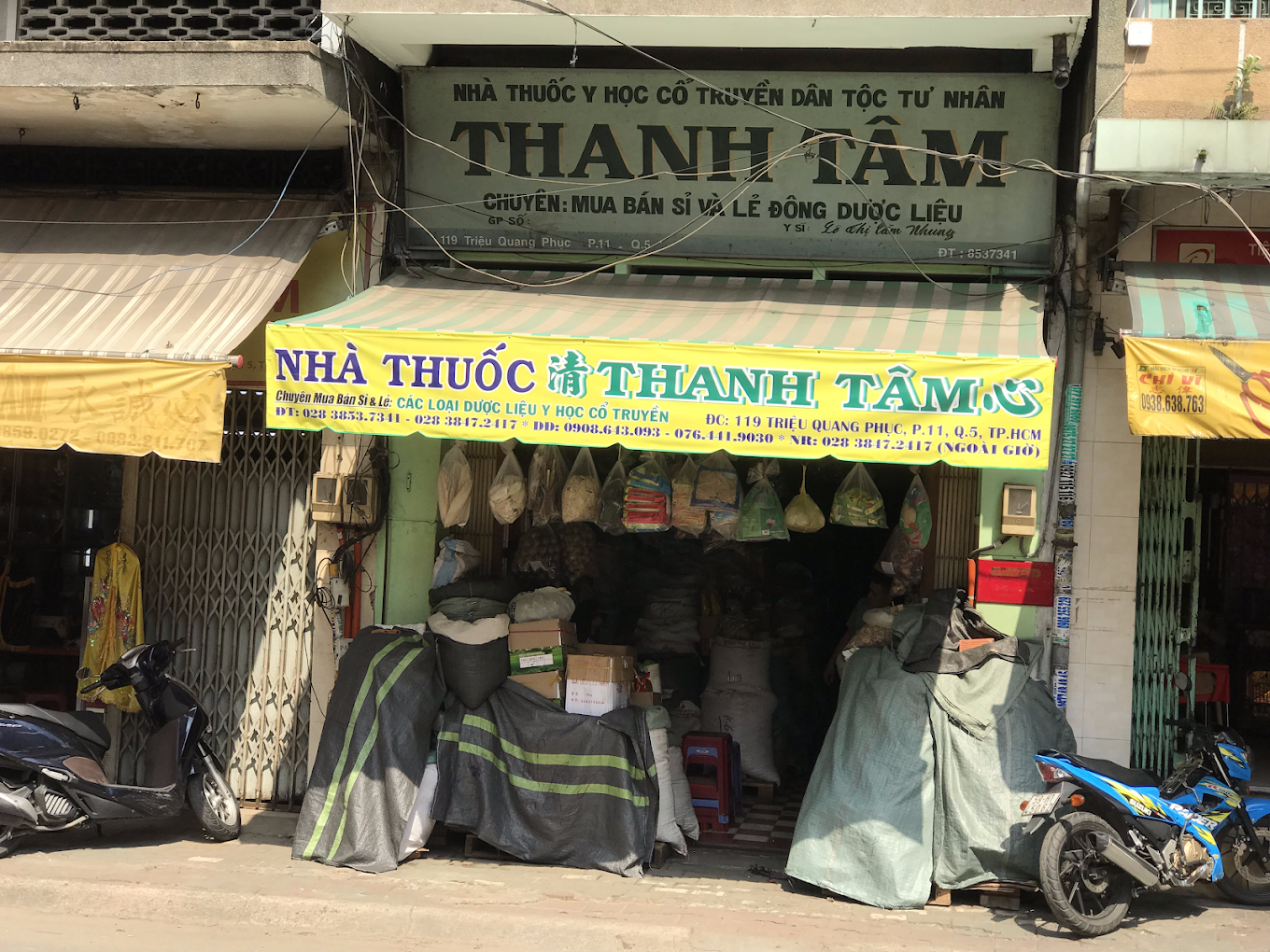
Thanh Tam Herbs provides ‘Đông y’ herbs, traditional medicinal ingredients, herbal steaming materials, sachet herbs, and seasonal wellness products for customers interested in Vietnamese Traditional Medicine and Chinese herbal culture. Nha Thuoc Thanh Tam focuses on clear sourcing, suitable consultation, proper usage, and the careful spirit of traditional herbal practice.
Thanh Tam Herbs
Conclusion
The Double Fifth Festival is a meaningful festival in both Chinese and Vietnamese culture. Whether called ‘Tết Đoan Ngọ’, Duanwu Festival, or the Dragon Boat Festival, its shared spirit is seasonal cleansing, ancestor remembrance, family connection, and care for health during early summer. If you are looking for mugwort, patchouli, dried tangerine peel, perilla, Vietnamese balm, mint, herbal sachets, or steaming herbs, please contact Thanh Tam Herbs for suitable guidance and quality TCM.
Nguồn tham khảo
- Dược điển Việt Nam.
- Lương y Hy Lãn Hoàng Văn Vinh, Cây thuốc vị thuốc Đông y, Nhà xuất bản Hà Nội, 2001.
- Tài liệu, hướng dẫn và thông tin chuyên ngành từ Bộ Y tế.
Rate this article
How useful was this article?
Tác giả bài viết