Buddleja Flower | Traditional Herbal Medicines
🌼 Buddleja Flower – A TCM Herb for Clearing Liver Heat, Brightening the Eyes, and Supporting Vision
Buddleja Flower, known in TCM as Mi Meng Hua (密蒙花), is a traditional herb commonly used for eye-related concerns, especially blurred vision, red eyes, excessive tearing, and reduced visual clarity associated with Liver Heat. It has long been regarded as an important “eye-supporting herb” in a variety of classical TCM formulas.
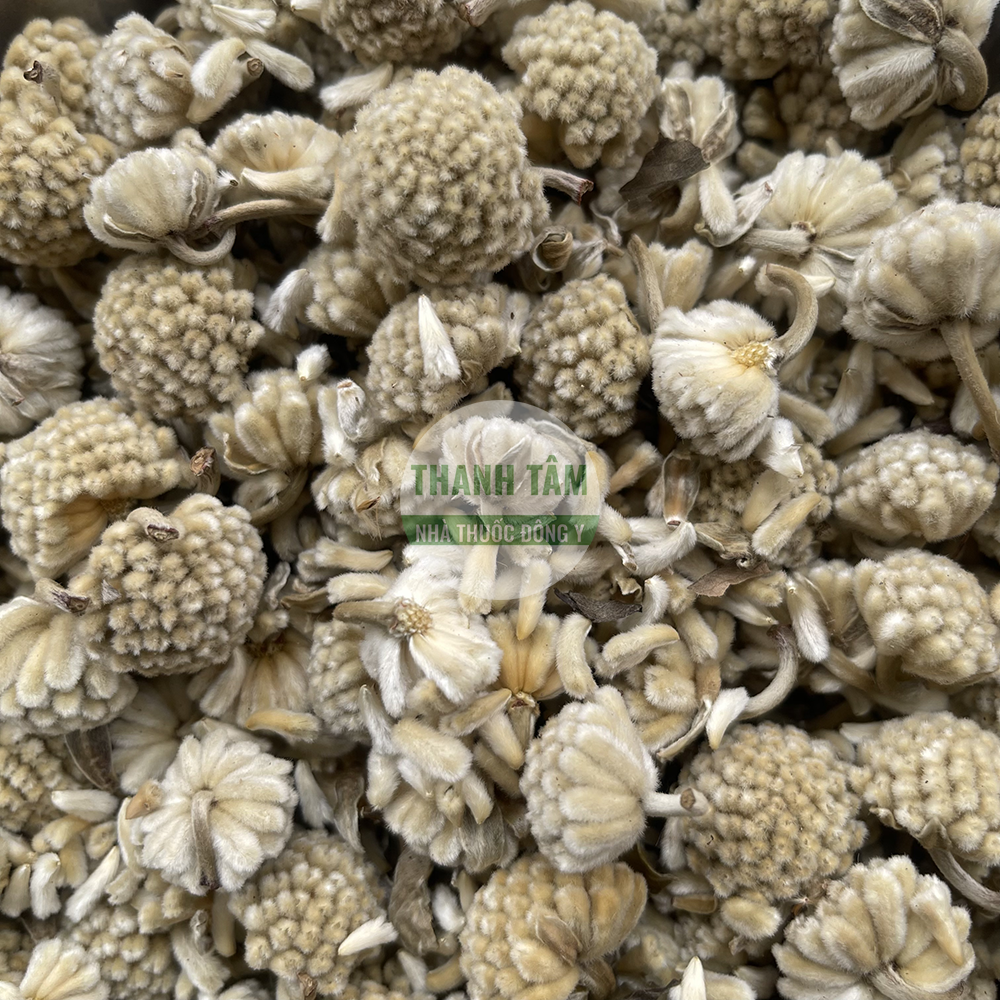
Buddleja Flower – a TCM herb traditionally used to support eye comfort and clarity
- Scientific name / Pinyin / Chinese: Buddleja officinalis / Mi Meng Hua / 密蒙花.
- Flavors, Nature – Meridian: Sweet, slightly Cold – Liver.
- Main benefits: Helps reduce blurred vision, supports clearer eyesight, and clears Liver Heat according to TCM theory.
- Reference dosage: 6–12 g daily, commonly prepared as a decoction or herbal infusion.
1. Origin and description
Buddleja Flower is the dried flower of Buddleja officinalis Maxim. The plant is mainly distributed in China, particularly in Hubei, Hunan, Sichuan, and Yunnan. In Vietnam, the dried flowers are imported for use in TCM formulas, especially those intended to support the eyes.
The plant is a small shrub about 1–3 meters tall. Young branches have fine hairs, while the leaves are elongated with soft whitish hairs underneath. Flowers grow in clusters at branch tips, range from pale yellow to yellow-orange, and have a mild fragrance. They are dried after harvesting.
Good-quality material should be yellow, relatively intact, mildly aromatic, and free from mold or dampness. In TCM, it is especially valued for its traditional relationship with the Liver Meridian and the eyes.
2. Related names of Buddleja Flower
Other names: Mật mông hoa, Hoàng mông hoa, Mông hoa, Hoa mật mông, Mật mông tử hoa, Ngật tháp bì thụ hoa, Buddleja flower, butterfly bush flower.
Scientific name: Buddleja officinalis Maxim.
Pinyin name: Mi Meng Hua.
Chinese name: 密蒙花.
The medicinal material consists of dried flowers and flower clusters, not the leaves or roots. Correct identification is important because other Buddleja species may have different uses.
3. Flavors, Nature – Meridian
According to TCM theory, Buddleja Flower is Sweet in flavor, slightly Cold in nature, and enters the Liver Meridian. The Sweet flavor is associated with harmonizing, while its slightly Cold nature helps clear Heat and soothe redness related to Liver Heat.
In TCM, the Liver is said to “open into the eyes,” so Liver imbalance may be reflected in visual symptoms. Mi Meng Hua is traditionally selected to clear Liver Heat and support clearer vision according to the overall pattern.
4. Benefits of Buddleja Flower in TCM
Buddleja Flower is used mainly in TCM formulas related to the eyes:
- Clears Liver Heat and brightens the eyes: Traditionally used to support clearer eyesight and reduce blurred vision.
- Helps soothe red or itchy eyes: May be considered when eye discomfort is associated with Heat or Wind-Heat patterns.
- Supports visual clarity: Commonly included in formulas for long-standing blurred vision or eye weakness according to TCM pattern differentiation.
- Helps reduce excessive tearing: Traditionally used for watery eyes, especially in older adults or in deficiency-related patterns.
Modern research has identified flavonoids and antioxidant compounds in the plant and explored potential protective effects on retinal cells. These findings do not replace medical diagnosis or prove treatment of eye disease.
5. How to use and dosage
Buddleja Flower may be prepared in several ways:
- Decoction: A commonly referenced amount is 6–12 g daily, decocted with water and taken during the day.
- Herbal infusion: It may be steeped in hot water and consumed as an herbal drink in suitable cases.
- Herbal combinations: It is frequently paired with other herbs that clear Liver Heat, nourish the Liver, or support the eyes.
TCM use is based on pattern differentiation rather than a fixed treatment period. Prolonged use should be discussed with a doctor or Herb doctor, especially when symptoms persist.
6. Indications and contraindications
Indications
In TCM, Buddleja Flower may be referenced for blurred vision, red eyes, excessive tearing, eye fatigue, and reduced visual clarity associated with Liver Heat or Liver weakness. Selection should depend on the overall pattern.
Contraindications
People with Spleen-Stomach deficiency with Cold or persistent diarrhea should use caution. Pregnant people and anyone using prescription eye medication should consult a doctor or Herb doctor before regular use.
Sudden vision loss, severe eye pain, marked light sensitivity, trauma, swelling, or persistent redness requires prompt medical assessment.
7. Reference herbal combinations with Mật mông hoa
- Nourishing the Liver and supporting clearer vision: Mi Meng Hua may be combined with Ju Hua in an appropriate formula.
- Blurred or dry eyes: It may be paired with Gou Qi Zi when the pattern is suitable.
- Wind-Heat or Damp-Heat with red, painful eyes: Mi Meng Hua may be combined with Huang Lian, Chi Shao, Fang Feng, Jing Jie, Huang Bai, Gan Ju Hua, Gan Cao, and Long Dan Cao.
- Photophobia, weakened Liver-Gallbladder function, and unclear vision: Classical references combine Mi Meng Hua with Qiang Huo, Ju Hua, Man Jing Zi, Qing Xiang Zi, Mu Zei, Shi Jue Ming, Ji Li, and Gou Qi Zi. The herbs are traditionally ground and taken according to the classical preparation method.
- Liver deficiency with difficulty seeing at a distance: May be combined with Gan Ju Hua, Gou Qi Zi, Sheng Di Huang, Bai Ji Li, and Gu Jing Cao.
These combinations are for traditional reference only. Exact proportions and duration should follow constitution, symptoms, medications, and TCM pattern differentiation.
8. Frequently asked questions
- Can Buddleja Flower be used every day? It may be used as a low-dose herbal infusion in suitable cases, but long-term self-use is not recommended without a clear purpose or professional guidance.
- Can it improve nearsightedness? TCM traditionally uses the herb to reduce eye fatigue and support visual comfort, but it does not replace corrective lenses, ophthalmic assessment, or medical treatment for myopia.
- Can it be taken together with Western medicine? People using prescription medication, especially eye medication, should ask a doctor or Herb doctor about appropriate timing and possible interactions before combining treatments.
- Is it mainly used for Liver Heat? It is especially well known for clearing Liver Heat and brightening the eyes, but classical formulas may also use it in deficiency patterns depending on accompanying herbs.
- How do I choose good-quality material? Choose dry, yellow flower clusters with a mild characteristic aroma, minimal crumbling, no mold or dampness, and clear sourcing from a reliable supplier.
👉 Visit Thanh Tam Herbs – a trusted Herbal pharmacy for quality herbs and TCM guidance
Nguồn tham khảo
- Dược điển Việt Nam.
- Lương y Hy Lãn Hoàng Văn Vinh, Cây thuốc vị thuốc Đông y, Nhà xuất bản Hà Nội, 2001.
- Tài liệu, hướng dẫn và thông tin chuyên ngành từ Bộ Y tế.
Rate this article
How useful was this article?
Tác giả bài viết