
TCM in Vietnam | The Demand for Sustainable Herbs
TCM in Vietnam: Traditional Chinese Medicine and the Growing Demand for Sustainable Herbs
TCM in Vietnam is closely connected with Traditional Chinese Medicine, Vietnamese traditional medicine, natural herbs and the long-standing culture of using herbal remedies for daily wellness. This article explains what TCM means, what products it includes, whether natural herbs are safe and where to find trusted herbal medicine stores in Vietnam.
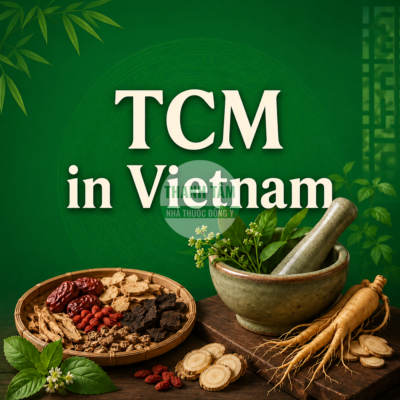
TCM in Vietnam | Nha thuoc Thanh Tam
Overview of TCM in Vietnam
TCM in Vietnam has become an important keyword for people who are interested in Traditional Chinese Medicine, Vietnamese traditional medicine and natural herbs. In Vietnam, traditional healthcare is deeply rooted in daily life. Many families are familiar with herbal teas, medicinal soups, steam therapy, foot soaking, massage, acupuncture and plant-based remedies passed down through generations.
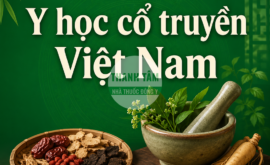
Although the term TCM comes from Traditional Chinese Medicine, the practice in Vietnam is shaped by local culture, climate, available herbs and Vietnamese medical traditions. Vietnam has its own system often called ‘Y hoc co truyen’, which means traditional medicine in Vietnamese. It includes both knowledge influenced by Chinese medicine and the unique heritage of Vietnamese herbal medicine.
Today, more consumers are looking for natural herbs, herbal ingredients and ‘Thuoc co truyen’ as part of a proactive wellness lifestyle. Instead of waiting until the body feels weak, many people use herbs to support digestion, sleep, respiratory comfort, body warmth, relaxation and general balance. This creates a growing market for reputable herbal medicine stores, especially in areas with a long history of Chinese medicine trading.
What is TCM?
TCM stands for Traditional Chinese Medicine. In Vietnamese, it is commonly translated as ‘Y học cổ truyền’, ‘Thuốc Đông y’ or natural herbal medicine. TCM is based on concepts such as yin and yang, five elements, qi, blood, meridians, internal organs and pattern identification. Instead of looking only at one symptom, TCM usually considers the whole body, lifestyle, constitution and the balance between internal and external factors.
In everyday language, many Vietnamese people use the term ‘Thuoc co truyen’, ‘Thuoc Dong y’ or ‘Dong y’ to refer to traditional remedies, herbal medicine and Eastern medical practices. These terms may overlap, but they are not always exactly the same. Traditional Chinese Medicine refers to the Chinese medical system, while Vietnamese traditional medicine includes both Chinese-influenced theory and Vietnam’s own local herbal knowledge.
What products are in a TCM store?
A TCM business in Vietnam may sell many different categories of products. The most common products include dried herbs, roots, flowers, seeds, fruits, barks, minerals, herbal tea ingredients, soup herbs, foot bath herbs, steam herbs and traditional herbal formulas. Some stores also sell ready-to-use herbal packs for cooking, wellness drinks, postpartum care, respiratory comfort, relaxation or seasonal health support.
Herbs are often used in different ways. Some are brewed as tea, some are boiled into decoctions, some are added to soups, and others are used externally for steaming or soaking. In traditional medicine, each herb has its own nature, taste, function and suitable usage. This is why customers should not buy random herbs only because they are popular online.
A professional herbal medicine store should provide basic guidance on storage, preparation and suitability. For example, dried herbs should be kept away from moisture, direct sunlight and strong odors. Herbs with signs of mold, unusual smell or unclear origin should be avoided. For customers who are pregnant, elderly, taking medication or managing chronic conditions, professional advice is especially important.
Developing Traditional Vietnamese Medicine in a new era
In this new era, Vietnamese traditional medicine is being recognized not only as a “heritage of our ancestors” but also as a resource for healthcare, medicinal plant development, and the local economy. This orientation emphasizes placing traditional medicine within the strategy of public health care, combining it with modern medicine, biotechnology, the medicinal plant industry, and digital transformation.
A major advantage of Vietnam is its abundant medicinal plant resources and long history of using traditional Vietnamese medicine. If developed systematically, traditional medicine can be linked to medicinal plant growing areas, standardized harvesting, processing, and preservation, quality control, and traceability. When the supply chain becomes more transparent, consumers will more easily choose safe traditional medicinal herbs, and businesses will have the opportunity to build lasting reputation.
New policies are also aiming to expand the role of Traditional Medicine in primary healthcare, family medicine, home care, and support for the elderly. This aligns with the trend of people showing greater interest in disease prevention, health maintenance, rehabilitation, and mental health care. Methods such as acupuncture, massage, health maintenance, proper use of medicinal herbs, and lifestyle adjustments can be more valuable when guided by professionals.
Are Natural herbs safe?
Eastern herbs or Natural herbs can be safe when they are sourced properly, stored correctly and used in a suitable way. However, natural does not automatically mean risk-free. Some herbs may be warming, cooling, drying, moistening, blood-moving, diuretic or stimulating. The same herb may be suitable for one person but not ideal for another person with a different constitution.
Safety depends on several factors. The first factor is quality. Herbs should have clear origin, proper drying, clean appearance and no signs of contamination. The second factor is dosage. Using too much or using herbs for too long without guidance may cause discomfort. The third factor is interaction. Some herbal products may interact with modern medicine, especially for people using blood pressure drugs, diabetes drugs, blood thinners or long-term prescriptions.
For this reason, a trusted herbal medicine store should not exaggerate claims. Herbs may support wellness, but they should not be presented as a guaranteed cure for serious diseases. Customers should seek professional medical advice when symptoms are severe, persistent or unclear. Responsible use is the key to making TCM and ‘Y hoc co truyen’ more practical and trustworthy in daily life.
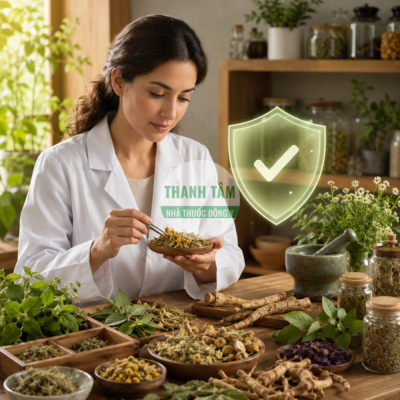
Are natural herbs safe | Nha thuoc Thanh Tam
The global trend of traditional medicine and herbal studies
The global interest in traditional medicine is increasing. More people are looking for healthcare approaches that combine cultural wisdom, prevention, natural ingredients and modern quality standards. This trend is visible not only in Asia but also in many countries where consumers are exploring herbal products, integrative medicine and evidence-based natural healthcare.
In China, according to a popular survey widely shared online about the Top 20 hottest university majors in 2026, Traditional Chinese Medicine ranked number 14 with around 30,000 students, while Pharmacy ranked number 20 with around 26,000 students. This should be treated as a reference trend rather than an official statistic, but it still reflects growing interest in TCM, herbs, pharmacy and traditional healthcare education.
This trend is relevant for Vietnam. Vietnam has a rich supply of natural herbs, a strong culture of ‘Y hoc co truyen’ and a long history of herbal trading. As consumer demand grows, herbal businesses need to focus more on quality, transparency, education and responsible consultation. The future of TCM in Vietnam is not only about selling herbs, but also about building trust.
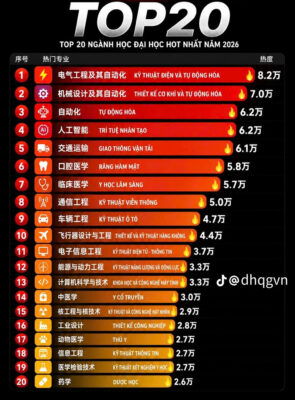
Top 20 Most Popular University Majors in China in 2026 | Nha thuoc Thanh Tam
Where to buy trusted herbs in Vietnam?
Vietnam has many traditional herbal medicine stores, pharmacies and local herbal suppliers. One of the most well-known areas is Cho Lon Ward, especially District 5 (Before Vietnamese administrative reforms in June, 2025) in Ho Chi Minh City. This area has long been associated with Chinese-Vietnamese culture, herbal medicine trading and traditional pharmacies.
When looking for herbs in District 5 or Cho Lon, customers should choose stores that organize products clearly, keep herbs clean and dry, provide transparent advice and avoid unrealistic promises. A trusted store should help customers understand what each herb is commonly used for, how to prepare it and when to seek professional medical advice.
In Vietnam, TCM, Traditional Chinese Medicine, Herbs, ‘Y hoc co truyen’, ‘Thuoc Bac’, herbal medicine store in Cho Lon and District 5 herbal pharmacy can help customers find relevant information more easily.
Thanh Tam Herbal Medicine Store
‘Cua Hang Duoc Lieu Thanh Tam’ is a Vietnamese herbal medicine store serving customers who are interested in TCM and natural herbs in Vietnam. As ‘Nhà thuốc Thanh Tâm’, the store aims to be a trusted ‘Nhà thuốc Đông y Chợ Lớn’ for customers and consumers.
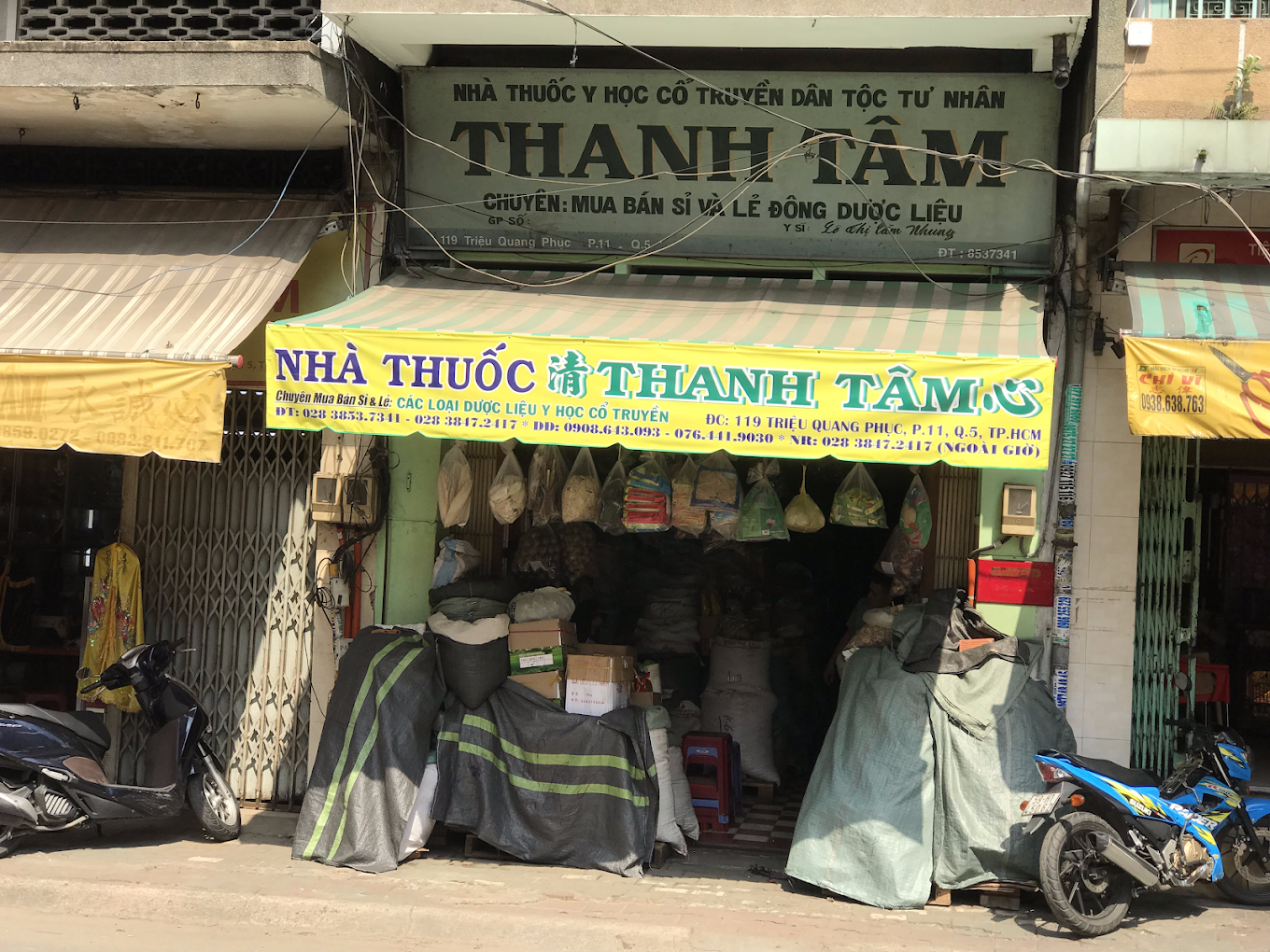
Nha thuoc Thanh Tam
Conclusion
TCM in Vietnam is more than a search term. It represents the connection between Traditional Chinese Medicine, Vietnamese traditional medicine, natural herbs and modern wellness needs. As more people pay attention to preventive health and herbal products, choosing the right herbs and the right herbal medicine store becomes even more important. With responsible guidance, clear sourcing and proper use, natural herbs can continue to play a meaningful role in daily wellness and traditional healthcare in Vietnam.
References:
1/ Báo Sức khỏe & Đời sống: Đề xuất 6 định hướng phát triển y học cổ truyền trong kỷ nguyên số (June 05, 2026)
2/ Tuoi Tre Online: Dược liệu phong phú, lịch sử hàng nghìn năm: ‘Cú hích’ y học cổ truyền phát triển giai đoạn mới (June 04, 2026)
3/ Tuoi Tre Online: Bộ Y tế đề xuất đưa y học cổ truyền vào chăm sóc sức khỏe tại nhà (May 29, 2026)





Để lại một bình luận